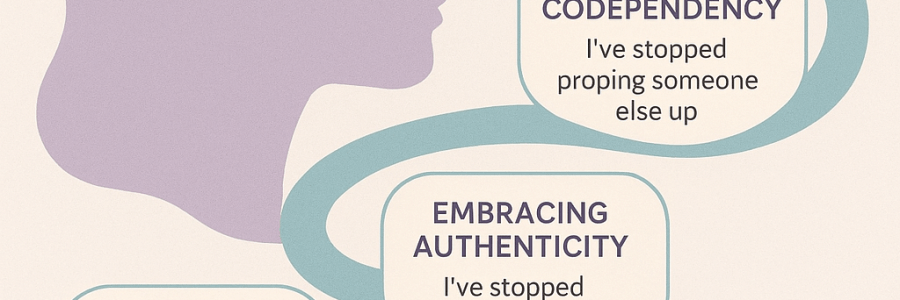
Self-Assessment Questions: Am I Co-Dependent?

Here’s a self-reflection guide with questions to help you assess whether you might exhibit co-dependent patterns. These are grounded in psychology and behavioral science. Answer honestly, in a non-judgmental way — this is for self-awareness, not diagnosis. Self-Assessment Questions: Am I Co-Dependent? 1. Relationship Dynamics 2. Emotional Regulation 3. Self-Identity and Self-Worth 4. Patterns in Relationships 5. Boundaries… Read More Self-Assessment Questions: Am I Co-Dependent?

Co-Dependent Individuals: Neuroscience and Psychology

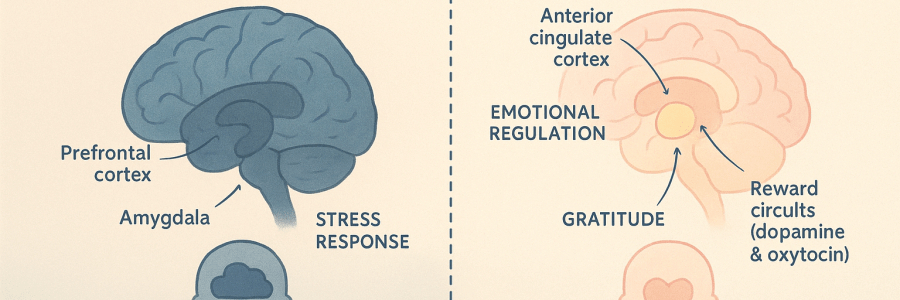
Co-dependency refers to a pattern where an individual consistently prioritizes others’ needs over their own, often to the point of emotional, psychological, or even physical detriment. It’s commonly observed in relationships with emotionally unavailable, abusive, or high-conflict partners. 1. Brain Mechanisms in Co-Dependency A. Reward System Dysregulation B. Emotional Regulation C. Attachment Circuitry D. Stress Response… Read More Co-Dependent Individuals: Neuroscience and Psychology

Social Circle Curator: Keep, Cultivate, or Remove

Category Description Neuroscience / Psychology Impact Action Keep People who consistently demonstrate kindness, respect, reliability, and emotional intelligence. Activates reward pathways (dopamine), oxytocin bonding, reduces cortisol (stress), reinforces healthy attachment circuits. Maintain regular interaction, express gratitude, and strengthen mutual support. Cultivate Individuals who are promising but inconsistent or developing in maturity, empathy, or trustworthiness. Potentially… Read More Social Circle Curator: Keep, Cultivate, or Remove

Why Healthy Relationships Matter

Surrounding yourself with healthy, supportive, and inspiring people is one of the most powerful ways to protect your emotional well-being, reinforce positive habits, and create resilience against toxic or dark-trait individuals. Here’s a breakdown of why and how to do it effectively: 1. Why Healthy Relationships Matter Neuroscience Perspective Psychology Perspective 2. Characteristics of ‘Healthy, Beautiful’ People… Read More Why Healthy Relationships Matter

Neuroscience-Informed Trauma Bond Resistance: Overview

Key Concepts / Mechanisms Practical Implications Neurobiology of Trauma Bonds Explains how the brain forms strong attachments even in harmful relationships. – Dopamine system (nucleus accumbens): reward spikes during intermittent affection.– Oxytocin system: strengthens bonding, trust, and attachment.– Amygdala & HPA axis:hyperarousal, fear, and stress responses.– Prefrontal cortex suppression:rational decision-making is reduced during emotional manipulation. – Recognize neurochemical dependence.– Understand physiological… Read More Neuroscience-Informed Trauma Bond Resistance: Overview

Neuroscience-Informed Guide to Trauma-Bond Resistance

1. Understanding the Neurobiology of Trauma Bonds Trauma bonds form when intermittent reinforcement (alternating kindness and abuse) hijacks the brain’s reward and stress systems: Result: Even when abused, your brain craves connection, creating a powerful attachment. 2. Key Psychological Mechanisms 3. Strategies to Build Resistance (Neuroplastic Approach) A. Strengthen Prefrontal Cortex Engagement Activates rational decision-making, reduces impulsive reactivity.… Read More Neuroscience-Informed Guide to Trauma-Bond Resistance

The Psychology of Fake Success: Why Some People Pretend to Have It All

Some people wear success like a costume —designer smiles, borrowed confidence, rehearsed charm.They don’t chase joy; they chase perception.Because if they can make you believe they’re winning,maybe they can silence the voice that says they’re not enough. Psychology calls it impression management —a performance built on fear of rejection and a hunger for validation.They seek applause, not connection.They… Read More The Psychology of Fake Success: Why Some People Pretend to Have It All

Why see a therapist?

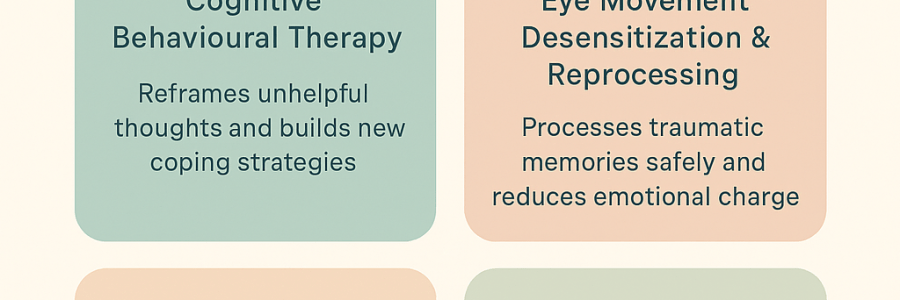
Recovery is a journey that requires courage, dedication, and support. While friends and family can offer love and encouragement, a therapist provides the professional tools and insights that can make a real difference in your healing process. They act as a partner in your journey, helping you uncover hidden strengths, break free from limiting beliefs, and build a life that aligns with your true self.

Engaging with a therapist can be a powerful step toward reclaiming your life, healing from past wounds, and building a future that feels authentic and fulfilling. You’re not just surviving—you’re learning to thrive.… Read More Why see a therapist?

Religion

Spiritual Reassurance: Religion often offers a framework for understanding suffering and adversity, providing believers with a sense of comfort during difficult times. Many religious traditions emphasize the idea that there is a greater purpose or plan, which can instill hope in individuals feeling lost or overwhelmed by their circumstances.

Rituals and Practices: Religious rituals—such as prayer, meditation, and worship—can create a sense of peace and stability. Engaging in these practices can offer solace, helping individuals feel connected to something larger than themselves.… Read More Religion