Trauma, Healing, and the Brain: Why Your Choices Change

When you experience trauma, your brain doesn’t just “feel bad.” Neuroscience shows that trauma can disrupt the prefrontal cortex — the part of your brain responsible for rational thinking, decision-making, and impulse control — and heighten the amygdala, the fear and threat center. This combination makes you more likely to react on instinct, fear, or old patterns, rather… Read More Trauma, Healing, and the Brain: Why Your Choices Change

Focus on Healing

If you receive information or concerns that are distressing or unsettling, it is appropriate to pause and prioritise your own wellbeing. Discuss the situation with your psychologist or mental health professional, particularly if it triggers fear, stress, or past trauma. Their role is to support emotional regulation, clarity, and recovery — not to investigate or… Read More Focus on Healing

You are usually not in danger for reporting — especially if you do it correctly

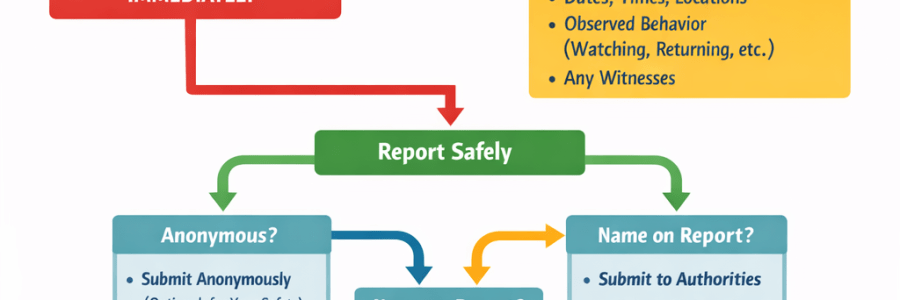
When you report concerns, not accusations, and you do it through the proper channels, you are generally protected. Why reporting is safer than staying silent What actually protects you when reporting You stay safe when you: ✔ Stick to facts, dates, behaviours✔ Avoid speculation, diagnosis, or labels✔ Do not confront the person✔ Do not investigate on your own✔ Report once, then disengage✔ Keep copies… Read More You are usually not in danger for reporting — especially if you do it correctly

Receiver and recorder, not investigator

If someone who knows your ex well sends you a letter describing concerns about your ex’s behaviour, here’s how to handle it safely and appropriately: 1. Treat it as information, not evidence 2. Read and document carefully 3. Do not share the letter publicly 4. Assess immediate risk 5. Prepare a neutral, factual report Important: Avoid adding opinions, assumptions,… Read More Receiver and recorder, not investigator

Stalking or watching young children — what is it?

It depends on intent, behaviour, and pattern, but persistent watching of children is a major red flag and can fall under criminal behaviour, even before physical contact. When “watching” becomes a concern It is not normal for an adult to: When this happens, it is often classified as predatory surveillance. Possible legal classifications (vary by country) Depending on behaviour and evidence, authorities may classify… Read More Stalking or watching young children — what is it?