News Travels Fast


Psychology & Family System Dynamics 1. Why Some Families Actively Join in Cruelty Some families don’t just enable cruelty — they participate in it. This happens when cruelty becomes: Psychological Drivers: This is called: Collective abuse dynamics 2. Why Siblings Sometimes Become Aggressors In abusive or high-control families, siblings often compete for: Common sibling roles: ➤… Read More Why Some Families Actively Join in Cruelty

Here is a clear, compassionate, psychologically grounded explanation of why some families enable cruelty — especially in abusive dynamics. This is about understanding patterns, not excusing harm. Psychology, Family Systems & Trauma Dynamics Core Truth Families often enable cruelty not because they approve of it — but because the family system is organized around fear, denial, loyalty pressure, and emotional… Read More Why Some Families Enable Cruelty

Neuroscience + Psychology Explained 1. What is cruelty in abuse? Cruelty = the intentional infliction of emotional, psychological, or physical pain in order to dominate, punish, humiliate, or control. In abusive dynamics, cruelty is not accidental.It is instrumental — it serves a function. That function is: Power + dominance + emotional regulation for the abuser. 2. What is… Read More Abusive Cruelty & Sadism

Why Lawyers Often Let This Happen Not all lawyers, but some, especially in high-conflict cases, recognise very quickly when a client is: For certain firms, this becomes: A predictable revenue stream. If a client: That client can generate tens or hundreds of thousands in fees. The Legal Industry Reality (Rarely Spoken Out Loud) Litigation = billable hours High-conflict personalities: From… Read More A predictable revenue stream.

Here is a clear, legally grounded explanation of how courts identify vexatious litigants, with practical insight into warning signs, legal criteria, and what judges actually look for: How Courts Identify Vexatious Litigants Legal Definition (General Principle) A vexatious litigant is someone who repeatedly brings legal actions that are: Core Indicators Courts Look For 1. Excessive filings 🚩 Pattern: volume > substance 2.… Read More Endless appeals

Some people will spend tens — even hundreds — of thousands fighting nothing. Not to resolve.Not to protect themselves.But to maintain dominance, punish independence, and avoid losing psychological power. Here’s what psychology, neuroscience, and legal research all show about this: Why Some People Spend Vast Sums Fighting Pointlessly 1. Control is more important than money For these personalities: Power… Read More Vexatious Litigation / High Conflict Personality Litigation
Here is a clear, grounded explanation of the mindset, psychology, and nervous-system drivers behind people who obsessively fight for control using lawyers, even when there is nothing real to fight about. Core Pattern: Control addiction Some people are not fighting issues.They are fighting loss of dominance. The legal system becomes their weapon of emotional regulation. 🧠 Neuroscience: What’s happening in their brain &… Read More The Psychology & Neuroscience of Compulsive Control Through Legal Warfare
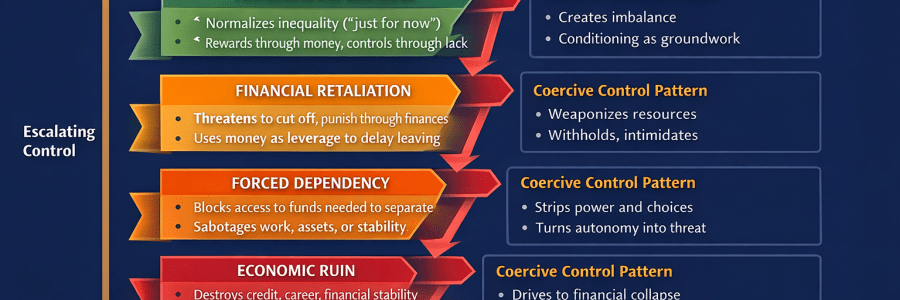
Here’s a clear, grounded definition of control, with concrete real-world examples, especially in the context of abuse, coercive control, and unhealthy power dynamics: What is control? Control is the systematic use of fear, pressure, threat, manipulation, or power to override another person’s autonomy, choices, safety, dignity, or freedom. It is not disagreement.It is domination. Core forms of control 1. Threat-based control… Read More What is control?

Our first film is broadcasting on BBC iPlayer & BBC Scotland Channel right now! Also on BBC Two 9pm tomorrow. Made with great skill and kindness by Marta García Aliaga, Flora Stewart, David Arthur, Nancy Bornat and our brilliant team in Scotland. Thanks to the incredible Jenni, Shannon, Robyn and Natalie for sharing their shocking… Read More Lover, Liar, Predator
 Linda C J Turner | Trauma Therapist & Emotional Healing Specialist