The Cost of Living From the False Self

A Jungian & Trauma-Informed Perspective The false self is not a lie.It is a survival adaptation. It forms when authenticity feels unsafe — when belonging, attachment, approval, or protection require performance, compliance, emotional suppression, or self-erasure. In Jungian terms, this becomes the persona: the socially acceptable mask we wear to survive, adapt, and belong. In trauma… Read More The Cost of Living From the False Self

Can You Stay Friends With Your Ex?

Why It’s Impossible With an Abuser A Trauma-Informed Psychological Perspective In healthy breakups, friendship can sometimes develop.In abusive relationships, friendship is not possible — and attempting it often causes ongoing harm. This is not bitterness.It is psychological reality. 1. Friendship Requires Safety — Abuse Destroys Safety True friendship requires: Abuse destroys all five. An abusive dynamic is… Read More Can You Stay Friends With Your Ex?

A Trauma-Informed Understanding of Why Many Men Suffer in Silence

Many abused men never tell anyone what they have endured. Not friends.Not family.Not therapists.Not authorities. This silence is not weakness.It is nervous-system survival. 1. Why So Many Abused Men Stay Silent From early childhood, many men are conditioned to believe: This conditioning shapes the nervous system to associate emotional exposure with danger, shame, and rejection. So when… Read More A Trauma-Informed Understanding of Why Many Men Suffer in Silence

A Trauma-Informed Guide to Rebuilding Trust, Connection & Emotional Safety

Divorce changes a man’s nervous system. Even when the separation was necessary, the emotional impact can be profound. Loss, identity disruption, rejection, betrayal, failure, and grief all reshape how the brain approaches intimacy. From a neuroscience and psychological perspective, this shift is not weakness — it is adaptation. 1. What Divorce Does to the Male Nervous… Read More A Trauma-Informed Guide to Rebuilding Trust, Connection & Emotional Safety

A Trauma-Informed Guide to Dating Again After Loss, Divorce, or Long-Term Relationships

Dating in midlife is not the same as dating when you were younger. Your nervous system now carries: This means your body seeks safety before excitement — even if your mind wants connection. From a neuroscience and psychological perspective, this is not hesitation.It is emotional intelligence. 1. The Midlife Nervous System: Why Dating Feels Different Now After… Read More A Trauma-Informed Guide to Dating Again After Loss, Divorce, or Long-Term Relationships

A Trauma-Informed Guide to Building Emotional & Physical Safety

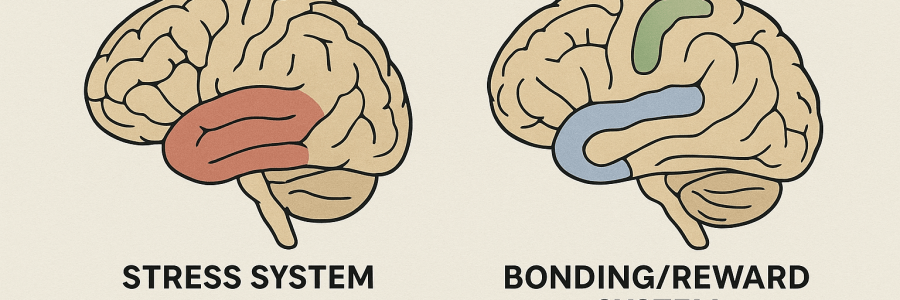
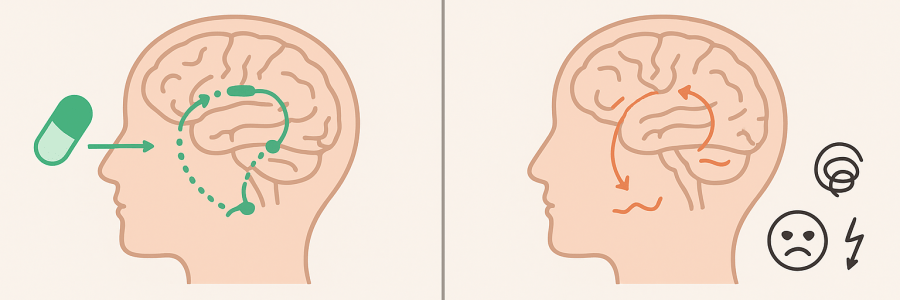
Safe intimacy is not about speed, chemistry, or intensity.It is about nervous-system safety, emotional regulation, and trust-building. From a neuroscience and psychological perspective, true intimacy only develops when the nervous system feels safe. 1. The Neuroscience of Safe Intimacy When we feel emotionally safe, the brain releases: When we feel unsafe, threatened, or uncertain, the brain releases:… Read More A Trauma-Informed Guide to Building Emotional & Physical Safety

A Trauma-Sensitive Explanation for Survivors

Discovering that a partner has been paying for sex can be profoundly destabilizing. It often triggers shock, grief, rage, confusion, humiliation, betrayal, and deep emotional pain — sometimes all at once. This reaction is not dramatic.It is a normal nervous-system response to relational trauma. Why This Hurts So Deeply This kind of discovery doesn’t just break trust.It fractures… Read More A Trauma-Sensitive Explanation for Survivors

Paying for Sex — Neuroscience & Psychology

Paying for sex is not primarily about sex.From a neuroscience and psychological perspective, it is most often about power, control, emotional safety, attachment wounds, and nervous-system regulation. 1. The Neuroscience: Control Over Connection Healthy sexual intimacy activates: But true intimacy requires emotional vulnerability, which activates deeper brain regions responsible for: For many people, this vulnerability feels unsafe. So… Read More Paying for Sex — Neuroscience & Psychology