Weekends
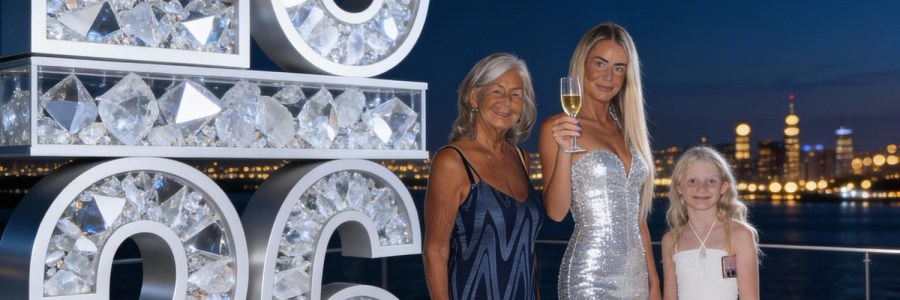
“Bye-bye boring weekends 😏 Hello family, fun, and full hearts—finally trading solo snacks for laughter, love, and a little harmless mischief 💖✨”
“Bye-bye boring weekends 😏 Hello family, fun, and full hearts—finally trading solo snacks for laughter, love, and a little harmless mischief 💖✨”

Spent three decades doing holidays solo… Easter? Alone. Weekends? Him off fishing or playing tennis like he’s training for Wimbledon 🎾🐟 and I’m basically in a long-term relationship with the kettle. And I used to think… this is normal? 😂 Because let’s be honest—what exactly is the point of being married if you’re living like… Read More Fast forward

When someone starts getting jealous of your family… your friends… and even your dog… it’s time to pause and ask a very serious question: “Am I dating a man… or applying for a full-time hostage situation?” 😅 Because how are you competing with my nan, my best friend, and a dog who thinks socks are… Read More Chose the dog

Never—ever—let a man make you feel like you have to choose between him and your family. That’s not love, that’s control dressed up as commitment. The right man won’t compete with your family—he’ll respect them. He’ll understand that they’re part of you, part of your history, part of what shaped the person he claims to… Read More Family first. Every single time.

Waking up to family, noise, music, and someone already talking before you’ve even had your tea… now that’s a blessing 😂 Honestly, what a difference a couple of years makes. Two years ago? Stress, confusion, probably wondering what on earth was going on half the time.Now? Laughter in the house, music playing, people coming and… Read More What a difference 2 years make

Let’s stop romanticising it. Modern dating isn’t broken—it’s diluted. What should be intimate, intentional, and human has been turned into a marketplace of attention, where people audition for validation instead of showing up for connection. And the truth? A lot of people aren’t dating to build anything real. They’re dating to feel something… temporarily. Welcome… Read More Online Dating: The Fakers, The Pretenders, and The Performance Culture

In the world of online dating, connection is instant—but authenticity is not. Profiles are curated. Personalities are polished. And in many cases, what you’re meeting isn’t a person… it’s a projection. The fakers and the pretenders aren’t always easy to spot. They don’t arrive wearing deception openly. Instead, they mirror what you want, speak your… Read More Online Dating: The Fakers and the Pretenders
It’s a gentle reminder to pause, reflect, and reconnect—with ourselves, our loved ones, and the world around us A time to give without expectation,to listen without judgment,and to understand before reacting Let gratitude guide our actions,and compassion shape our hearts 💫 Easter is a space to honor growth, renewal, and the beauty of being fully… Read More Easter is more than chocolate and flowers 🌸✨
“Too busy” often sounds reasonable on the surface—but when it becomes a pattern, neuroscience and psychology tell a clearer story about what’s really happening. 🧠 The Brain and Prioritisation Human attention is selective. The brain constantly filters what matters most. The prefrontal cortex is responsible for planning, prioritising, and allocating time. When someone is genuinely… Read More Too busy
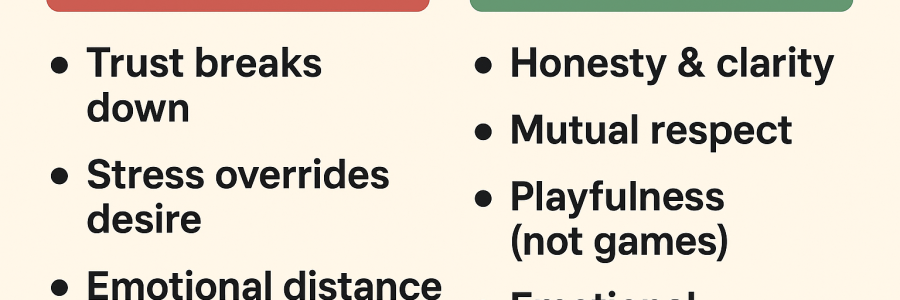
Waiting for the complete package isn’t about perfection—it’s about alignment. In a world that often encourages compromise in the name of urgency, many people find themselves entertaining “almost” relationships. The almost partner. The almost commitment. The almost love. It can feel close enough to hold onto, yet never quite enough to feel secure within. Over… Read More Complete package
 Linda C J Turner | Trauma Therapist & Emotional Healing Specialist