Mirror Neuron System & Empathy: Why Some People Don’t “Feel” What You Feel

What Are Mirror Neurons? Mirror neurons are brain cells that activate both when you perform an action and when you observe someone else doing it.They also activate when you see: This system helps your brain simulate what another person is experiencing. In simple terms:Mirror neurons are the foundation of natural, automatic empathy. When Mirror Neuron Activity Is Reduced People with reduced… Read More Mirror Neuron System & Empathy: Why Some People Don’t “Feel” What You Feel

Neuroscience Behind People Who Leave You Hanging

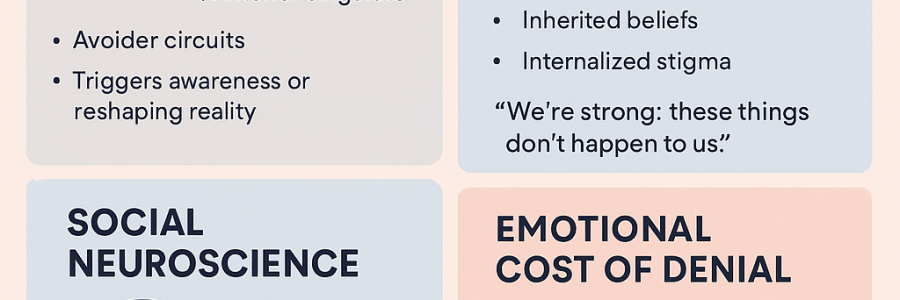
1. Avoidant Attachment & Threat Perception People who disappear, delay responses, or keep you waiting often have an avoidant attachment style.To them, closeness feels threatening — their amygdala (fear center) misinterprets emotional intimacy as loss of control or loss of independence. Brain mechanism: So the silence or unpredictability is not deep thinking — it’s avoidance triggered by fear.… Read More Neuroscience Behind People Who Leave You Hanging

Neuroscience and Psychology of Re-Learning Healthy Relationships After Abuse

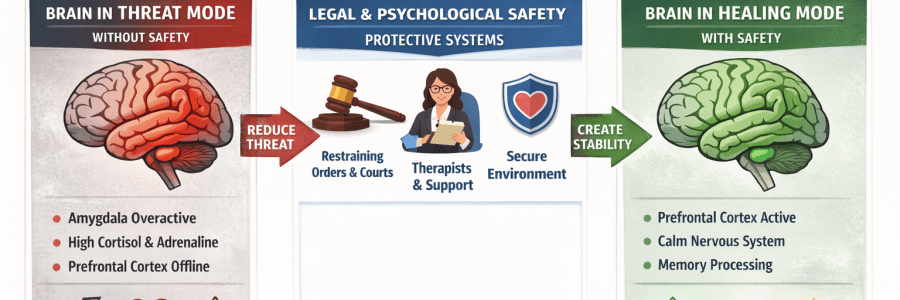
1. Trauma Rewires the Brain Result: Survivors may feel anxious or mistrustful even in genuinely safe situations. This explains why instinctive judgement about what is “right” or “healthy” in relationships can be impaired. 2. Confusing Safety with Danger 3. Neuroplasticity and Healing Key point: Cognitive understanding (“I know this is safe”) is insufficient; the nervous system must physically… Read More Neuroscience and Psychology of Re-Learning Healthy Relationships After Abuse

The Hidden Nature of Perpetrators

1. The “Mask of Normalcy” This is sometimes called “the façade of normalcy”, which conceals abusive behaviours behind closed doors. 2. Why People Don’t Believe It 3. Psychological Tactics That Hide Abuse 4. Neuroscience and Behavioural Explanation 5. Implications Summary Many perpetrators appear normal, competent, and likable externally while engaging in severe abuse in private. Cognitive… Read More The Hidden Nature of Perpetrators

Neuroscience and Psychology Behind “Walls” and Letting Go

1. The Closed-Off Partner – Emotional Walls 2. The Persistent Partner – Reaching Out 3. Letting Go – Choosing Yourself 4. Emotional Freedom 5. Love Needs a Home, Not a Fortress Summary When someone “won’t let you in,” their behaviour is often: Letting go is not failure — it is a conscious, adaptive choice to protect your… Read More Neuroscience and Psychology Behind “Walls” and Letting Go

Resilience

For over three decades, I have lived with behaviour that is unpredictable, manipulative, and often damaging. Saying one thing and doing another, creating chaos, and leaving collateral damage in their wake became a daily reality. At first, it was exhausting and disorienting, but over time, I learned to adapt. I developed resourcefulness, patience, and resilience… Read More Resilience

Psychological Profile of This Behaviour (Property Damage After Disputes)

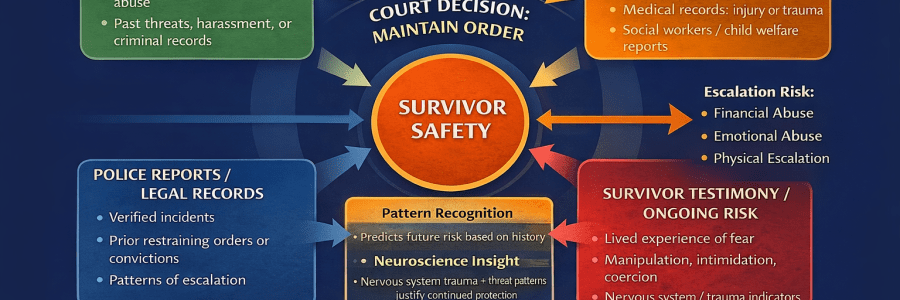
This pattern of behaviour — demanding entitlement to an asset and then the asset being vandalised soon after — aligns with psychological traits commonly observed in coercive control, retaliatory aggression, and entitlement-based conflict. Individuals who engage in this pattern typically show high sensitivity to perceived loss, rejection, or humiliation, which triggers a disproportionate emotional reaction. When they… Read More Psychological Profile of This Behaviour (Property Damage After Disputes)