Stability can be misread as indifference
After separation, healing isn’t linear — especially when control doesn’t end quietly. Stability can be misread as indifference.Boundaries can be misread as coldness. They’re neither.They’re recovery.
After separation, healing isn’t linear — especially when control doesn’t end quietly. Stability can be misread as indifference.Boundaries can be misread as coldness. They’re neither.They’re recovery.
When legal processes are ongoing, silence isn’t weakness —it’s regulation. Healing sometimes looks like restraint, documentation, and patience rather than sharing. Not everything needs commentary to be real.
One of the hardest parts of healing isn’t what happened —it’s discovering who can’t acknowledge it. Denial doesn’t change reality.It only clarifies where safety does not live. I’m choosing peace over explanation.

After abuse, stability can make others uncomfortable. A regulated nervous system doesn’t perform pain or chaos — and that changes who stays engaged. Healing isn’t loud.It’s steady.And it doesn’t need witnesses.
I don’t share to be rescued, explained away, or debated. I share to mark reality — including the reality that healing can be quieter and lonelier before it becomes peaceful. Growth doesn’t always come with applause.
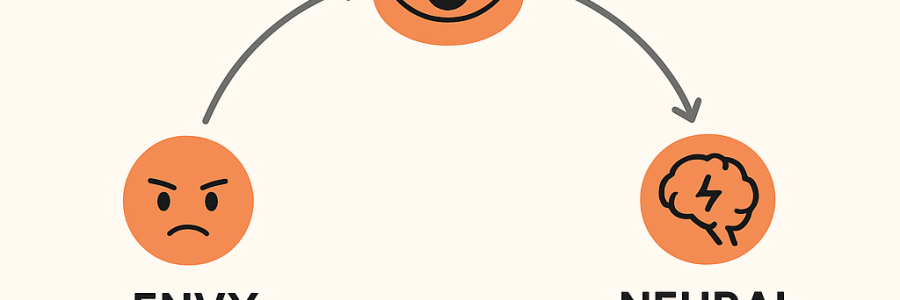
Trauma Recovery, Post-Abuse Dynamics & the Nervous System For people who have lived through long-term abuse, the shift you’re noticing is not just social — it’s neurobiological and relational. When you were in survival mode, your nervous system, identity, and relationships were organized around threat, appeasement, and endurance. As you heal, that entire structure changes. And not everyone… Read More Why Attention Drops When Survivors Begin to Heal
“What You See Is Not What Is Happening” Why People Jump to Assumptions — Neuroscience & Psychology 1. The brain is a pattern-completion machine The human brain evolved to make fast judgments, not accurate ones. When people see: the brain automatically fills in the gaps using past social templates: “Couple.” “Affair.” “Relationship.” This is driven by the hippocampus and predictive… Read More Judgement

A Neuroscience & Psychology Perspective Many people notice a puzzling pattern on social media and in real life:When you’re struggling, sharing pain, or “not doing well,” engagement pours in.When you’re healing, happy, confident, or visibly thriving—attention drops off. This is not accidental, and it is not about your worth. 1. The Brain Is Wired to… Read More Why People Engage More With Struggle Than With Joy
What you are describing is actually a very mature, self-protective response, and neuroscience strongly supports the approach you’re taking. I’ll explain why “not wanting to know,” while still redirecting disclosures to authorities, is psychologically sound—not avoidance. 1. Why your brain says “I’d rather not know” After prolonged trauma, the nervous system prioritises survival and stability, not curiosity. Neuroscience:… Read More Are you shocked -NO!
From a psychology and neuroscience perspective, it is actually very predictable that people who knew him well only begin to come forward after separation. This timing tells you a great deal about both his internal dynamics and the social system around him. I’ll break this down calmly and precisely. 1. Social silence while the couple exists While a couple is intact, outsiders unconsciously… Read More Latent guilt
 Linda C J Turner | Trauma Therapist & Emotional Healing Specialist