Co-Dependent Individuals: Neuroscience and Psychology

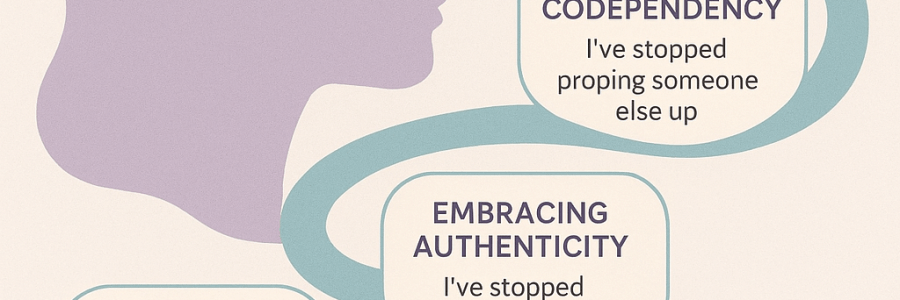
Co-dependency refers to a pattern where an individual consistently prioritizes others’ needs over their own, often to the point of emotional, psychological, or even physical detriment. It’s commonly observed in relationships with emotionally unavailable, abusive, or high-conflict partners. 1. Brain Mechanisms in Co-Dependency A. Reward System Dysregulation B. Emotional Regulation C. Attachment Circuitry D. Stress Response… Read More Co-Dependent Individuals: Neuroscience and Psychology

Social Circle Curator: Keep, Cultivate, or Remove

Category Description Neuroscience / Psychology Impact Action Keep People who consistently demonstrate kindness, respect, reliability, and emotional intelligence. Activates reward pathways (dopamine), oxytocin bonding, reduces cortisol (stress), reinforces healthy attachment circuits. Maintain regular interaction, express gratitude, and strengthen mutual support. Cultivate Individuals who are promising but inconsistent or developing in maturity, empathy, or trustworthiness. Potentially… Read More Social Circle Curator: Keep, Cultivate, or Remove

Why Healthy Relationships Matter

Surrounding yourself with healthy, supportive, and inspiring people is one of the most powerful ways to protect your emotional well-being, reinforce positive habits, and create resilience against toxic or dark-trait individuals. Here’s a breakdown of why and how to do it effectively: 1. Why Healthy Relationships Matter Neuroscience Perspective Psychology Perspective 2. Characteristics of ‘Healthy, Beautiful’ People… Read More Why Healthy Relationships Matter

Neuroscience-Informed Trauma Bond Resistance: Overview

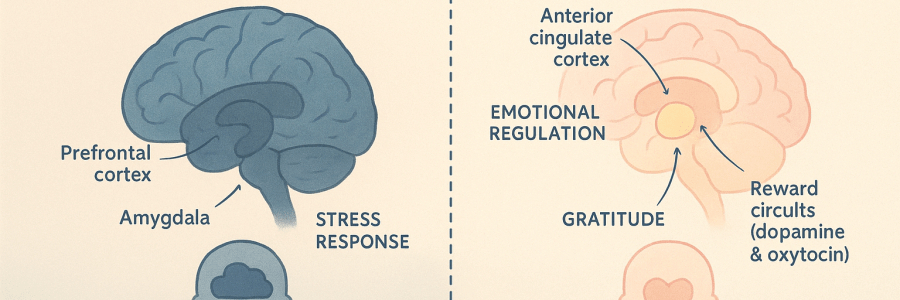
Key Concepts / Mechanisms Practical Implications Neurobiology of Trauma Bonds Explains how the brain forms strong attachments even in harmful relationships. – Dopamine system (nucleus accumbens): reward spikes during intermittent affection.– Oxytocin system: strengthens bonding, trust, and attachment.– Amygdala & HPA axis:hyperarousal, fear, and stress responses.– Prefrontal cortex suppression:rational decision-making is reduced during emotional manipulation. – Recognize neurochemical dependence.– Understand physiological… Read More Neuroscience-Informed Trauma Bond Resistance: Overview

Neuroscience-Informed Guide to Trauma-Bond Resistance

1. Understanding the Neurobiology of Trauma Bonds Trauma bonds form when intermittent reinforcement (alternating kindness and abuse) hijacks the brain’s reward and stress systems: Result: Even when abused, your brain craves connection, creating a powerful attachment. 2. Key Psychological Mechanisms 3. Strategies to Build Resistance (Neuroplastic Approach) A. Strengthen Prefrontal Cortex Engagement Activates rational decision-making, reduces impulsive reactivity.… Read More Neuroscience-Informed Guide to Trauma-Bond Resistance

Safe, mutual, and real.

Let’s go much deeper into the neuroscience and psychology behind those three key systems — dopamine (reward/novelty), oxytocin & vasopressin (bonding/trust), and noradrenaline/adrenaline (arousal/memory) — and how together they create the illusion of “instant love” or emotional fusion that manipulators can exploit. This is the scientific anatomy of romantic intoxication — the same circuitry that underlies addiction, attachment, and trauma bonding. 🧠 1.… Read More Safe, mutual, and real.

🕯️ Charm, Sex & the Lure: The Neuroscience and Psychology of Seduction-as-Manipulation

People of any gender can use charm and sex as a strategy — intentionally or unconsciously — to gain power, control, or resources from others. Because these tactics hijack the brain’s bonding and reward systems, they can feel intoxicating and convincing. Understanding the science behind them helps survivors reclaim clarity, protect themselves, and heal. 1)… Read More 🕯️ Charm, Sex & the Lure: The Neuroscience and Psychology of Seduction-as-Manipulation

💰 “So… Who Owns the House?” — The Neuroscience of Financial Curiosity in Early Relationships

🧠 The Brain Behind the Questions When someone begins asking intrusive money questions —Who owns your home?Do you have debts?What kind of car is that? —you’re not just seeing curiosity. You’re witnessing their reward and threat systems at work. Two neural circuits explain this behavior: 💡 The Psychology of Early Financial Probing There are usually three psychological drivers behind this… Read More 💰 “So… Who Owns the House?” — The Neuroscience of Financial Curiosity in Early Relationships

🎯 Title: “Money, Shelter & Vulnerability: What Motivates People on Dating Apps?”

1. The Landscape: Who’s Using Dating Apps & Why 2. Financial Motives: What the Data Shows What we don’t have: Reliable, large-scale data showing how many people specifically join dating apps with the primary goal of “money/securing a roof” or “targeting a rich widow(er)” or “taking advantage of a vulnerable divorcee”. Those specific motives tend to be under-researched, partly because they may… Read More 🎯 Title: “Money, Shelter & Vulnerability: What Motivates People on Dating Apps?”