Heal Trauma. Restore Safety. Reclaim Your Life.

Specialist Trauma Therapy for Emotional Abuse, PTSD & Complex RecoveryOnline sessions worldwide | Based in Spain If you are living with the emotional impact of abuse, trauma, chronic stress, or deep emotional pain, you are not broken — your nervous system is protecting you. I offer compassionate, neuroscience-informed therapy to help you gently process trauma, rebuild… Read More Heal Trauma. Restore Safety. Reclaim Your Life.
The deep human need for connection after long emotional deprivation.

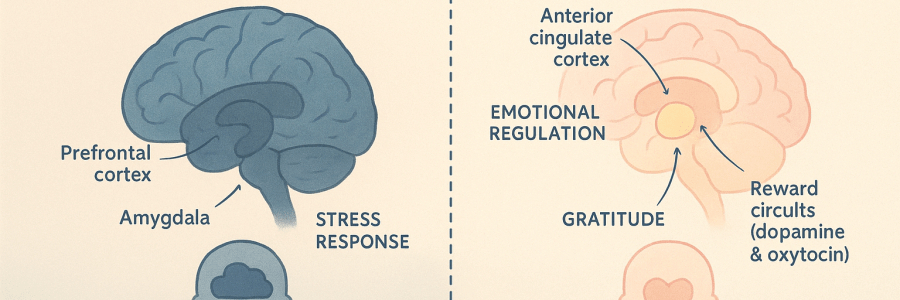
When someone has lived for years without warmth, safety, affection, being listened to, or emotionally met, the nervous system enters survival mode. You weren’t living — you were enduring. So now, as your system starts to thaw and heal, your body and mind are naturally craving what was missing: This is attachment repair.This is nervous system recovery.This is trauma healing in motion. Why… Read More The deep human need for connection after long emotional deprivation.

Why Leaving Abuse Is a Medical Intervention

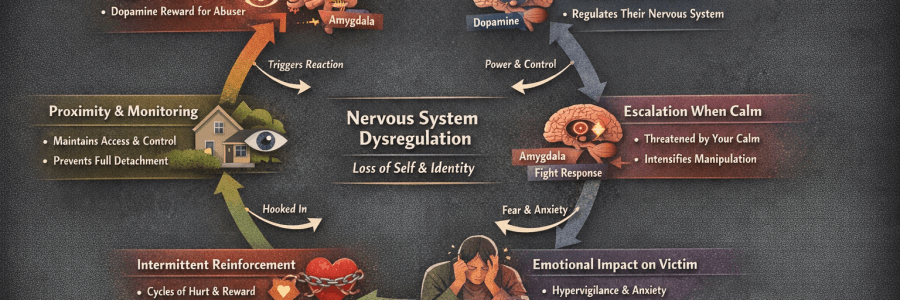
Leaving abuse is not just a personal decision.It is not just emotional courage.It is not just psychological survival. It is a medical intervention. 🧠 Abuse Is a Biological Injury Chronic abuse — emotional, psychological, physical, financial, or coercive — forces the human nervous system into constant survival mode. This creates: In medicine, this is known as chronic… Read More Why Leaving Abuse Is a Medical Intervention

How Safety Heals Trauma at a Cellular Level

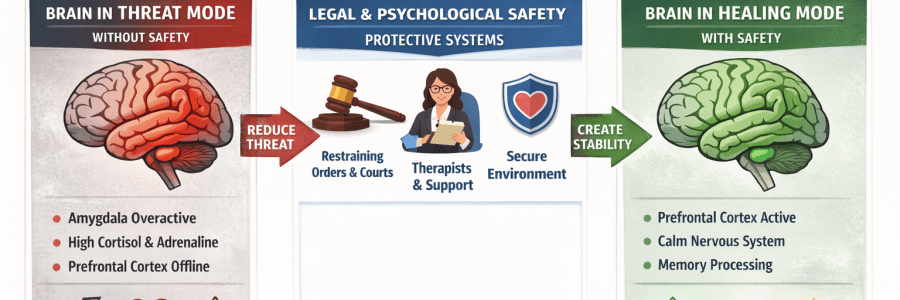
Trauma doesn’t just live in the mind.It lives in the nervous system, the immune system, the hormones — and inside every cell of the body. When we experience prolonged fear, threat, or emotional harm, the body enters survival mode. Cortisol and adrenaline flood the bloodstream.The nervous system stays hyper-alert.Inflammation increases.DNA expression changes. This is not weakness.This is biology… Read More How Safety Heals Trauma at a Cellular Level

Court Decision-Making Framework: Domestic Abuse

Objective: Ensure that judicial decisions reflect the true risk to survivors, integrate trauma-informed evidence, and prevent escalation or homicide. 1️⃣ Intake & Case Assessment Data Sources: Judicial Tasks: 2️⃣ Risk Categorisation Risk Level Indicators Recommended Judicial Action Low Single minor incident, no weapons, no previous history Standard protective orders, monitoring Medium Repeated threats, mild physical aggression, controlling behaviour… Read More Court Decision-Making Framework: Domestic Abuse

Combined Abuse + Compulsive Behaviour Risk Matrix

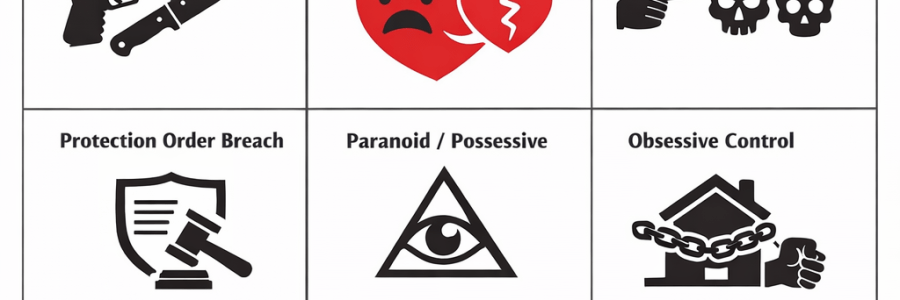
Type of Abuse Compulsive / Trauma-Driven Behaviour Risk Mechanism Risk Level Physical Abuse Repetitive rituals (checking, tapping) Unpredictable escalation of violence 🔴 Extreme Physical Abuse Hypervigilance Misinterpretation of neutral events → sudden aggression 🔴 Extreme Mental / Emotional Abuse Paranoid ideation Continuous psychological pressure, fear induction, gaslighting 🔴 Severe Mental / Emotional Abuse Symbolic or… Read More Combined Abuse + Compulsive Behaviour Risk Matrix

When Families Know About Abuse

One of the reasons many survivors don’t speak out sooner is simple:they already know they won’t be supported. In some families, the abuse isn’t a secret.It has been seen before.Hints have been dropped.Incidents have been witnessed, minimised, or quietly explained away. Instead of intervening, the family: This silence isn’t neutral.It’s a choice. Why This Keeps… Read More When Families Know About Abuse

When Families Know About Abuse — and Choose Silence

One of the reasons many survivors don’t speak out sooner is simple:they already know they won’t be supported. In some families, the abuse isn’t a secret.It has been seen before.Hints have been dropped.Incidents have been witnessed, minimised, or quietly explained away. Instead of intervening, the family: This silence isn’t neutral.It’s a choice. Why This Keeps… Read More When Families Know About Abuse — and Choose Silence

Why It Took So Long to Speak Out. A Trauma‑Informed Neuroscience Perspective

Many survivors ask themselves this question:Why did it take so long to speak out about what happened? The answer isn’t weakness.It’s neuroscience. 1. The Brain Prioritises Safety First When a person is in harm’s way — physically or emotionally — the brain shifts into survival mode.This is not a choice. It’s biology. In threat states:… Read More Why It Took So Long to Speak Out. A Trauma‑Informed Neuroscience Perspective