Manipulation and Reward
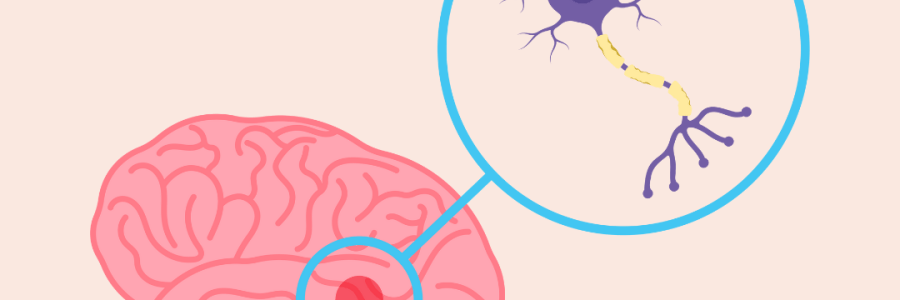
Reward System and Dopamine: The brain’s reward system, often associated with the release of neurotransmitter dopamine, plays a central role in reinforcing behaviors. When an individual experiences something rewarding, such as positive social interaction or accomplishment, the brain releases dopamine, creating a sense of pleasure and reinforcing the associated behavior.… Read More Manipulation and Reward

Breaking Free: Unraveling the Strings of Manipulation and Reclaiming Your Autonomy

The Psychological Impact:

Being a puppet on a string can lead to profound emotional distress. The constant feeling of being controlled can erode self-esteem, create a sense of powerlessness, and contribute to anxiety and depression. In some cases, individuals may even question their own reality as the puppeteer skillfully twists the narrative.… Read More Breaking Free: Unraveling the Strings of Manipulation and Reclaiming Your Autonomy

The Ethical Quagmire of Using Children as Pawns in Legal Battles

In the complex realm of legal disputes, the lengths to which some individuals go to manipulate the system can be disheartening. One particularly contentious issue that strikes an emotional chord is the use of children to lie on behalf of adults in court. This practice, while not common, raises profound ethical questions about the boundaries people are willing to cross in pursuit of their own interests.… Read More The Ethical Quagmire of Using Children as Pawns in Legal Battles

Unraveling the Facade

Coercive control often thrives in the shadows, with perpetrators skillfully disguising their actions behind a veneer of benevolence. This manipulation technique involves projecting an image of care and good intentions while concurrently engaging in controlling behaviors. Let’s delve into this concept by exploring instances where professed benevolence conceals the darker dynamics of coercive control.… Read More Unraveling the Facade

Unmasking Coercive Control Disguised as Good Intentions

In the complex landscape of interpersonal relationships, the proclamation that someone “only wants the best for you” can be a deceptive veil for more insidious dynamics. Beneath these seemingly caring words, individuals may employ coercive control tactics, manipulating and dominating others under the guise of genuine concern. This article delves into the intricacies of victimhood when someone professes good intentions while engaging in coercive control, providing insight into identifying and navigating these subtle forms of manipulation.… Read More Unmasking Coercive Control Disguised as Good Intentions

Breaking the Chains

Coercive control and manipulation within families can create an environment of fear, anxiety, and powerlessness. Recognizing and addressing these toxic dynamics is crucial for the well-being of all family members. In this article, we’ll explore effective strategies for dealing with coercive control and manipulation within families, providing examples to illustrate potential scenarios.… Read More Breaking the Chains

The Empowerment of Saying “No” in Family Dynamics

Within the intricate tapestry of family relationships, the ability to say “no” emerges as a profound act of self-respect and preservation. Contrary to the misconception that it signifies weakness, declining commitments within the family sphere is a powerful assertion of individual priorities. In this article, we delve into the nuances of saying “no” within family situations, emphasizing its liberating impact on personal well-being.… Read More The Empowerment of Saying “No” in Family Dynamics