🗂️ Old-Fashioned Data Backups: Reliable, Tangible, and Forensically Sound

In an era dominated by the cloud, old-fashioned data backups remain the unsung heroes of data security, legal integrity, and digital preservation. 🔒 The Enduring Value of Tangible Data Storage While many rely on cloud storage for convenience, physical devices — such as external hard drives, Zip drives, and optical discs — still play a vital role. They… Read More 🗂️ Old-Fashioned Data Backups: Reliable, Tangible, and Forensically Sound

Back-Up Devices: From Hard Drives to Zip Drives — A Look at Traditional Data Protection

In a world where our lives are increasingly digital — photos, documents, projects, and memories — the importance of backing up data cannot be overstated. While cloud storage dominates the modern scene, there’s still great value in understanding and even using physical backup methods. From external hard drives to Zip drives and dongles, these “old-fashioned” tools remain… Read More Back-Up Devices: From Hard Drives to Zip Drives — A Look at Traditional Data Protection

🌿 One Year of Growth: The Neuroscience of Becoming Yourself Again

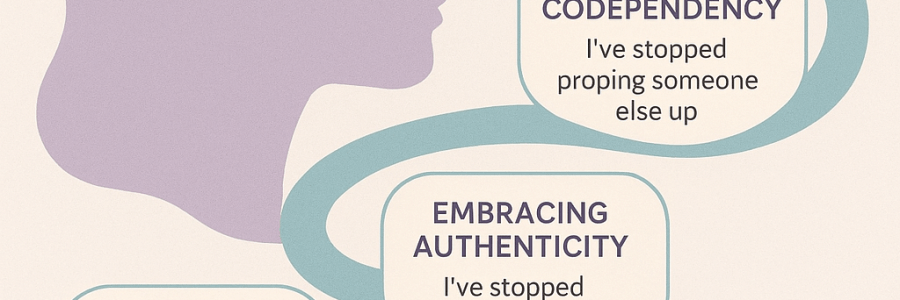
One year can change everything. Over the past twelve months, I’ve learned more about myself than in a lifetime. I’ve discovered strength I didn’t know I had — not the kind that hides behind a smile, but the quiet resilience that grows from truth, healing, and self-compassion. For years, I was the crutch for others,… Read More 🌿 One Year of Growth: The Neuroscience of Becoming Yourself Again

“One year of your life can make so much difference.”

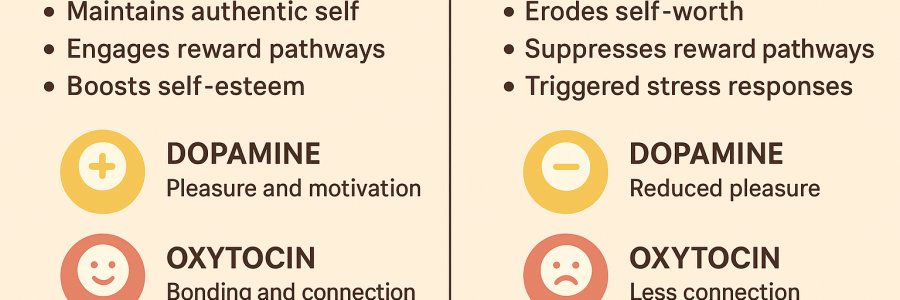
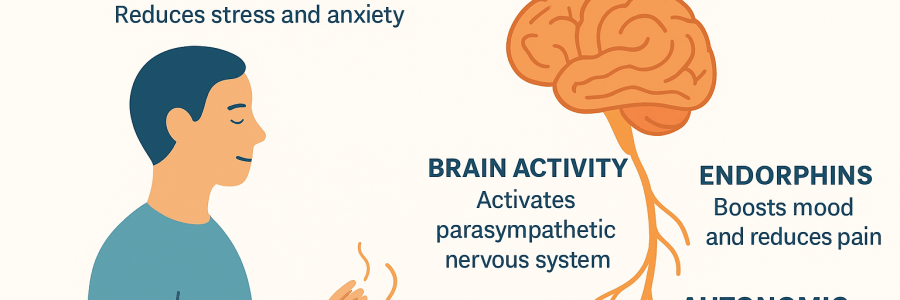
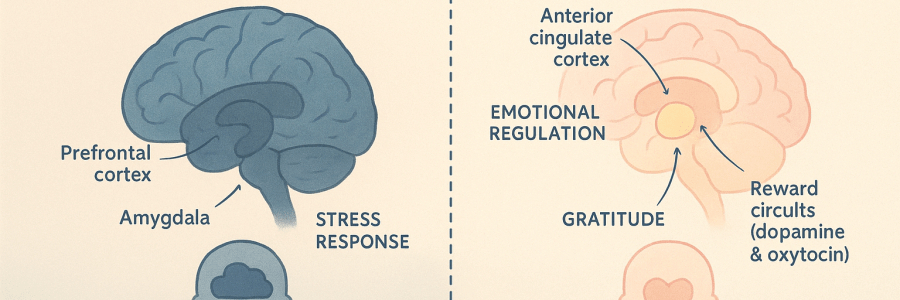
🧠 The Neuroscience and Psychology of One Year of Growth “One year of your life can make so much difference.”When you consciously choose healing, your brain’s neuroplasticity — its ability to rewire — begins to reshape how you think, feel, and relate. Every moment of self-reflection builds new neural connections for insight and self-compassion. 1. Self-Awareness: Seeing Yourself from… Read More “One year of your life can make so much difference.”

🧠 1. The neuroscience of denial: fear and self-protection

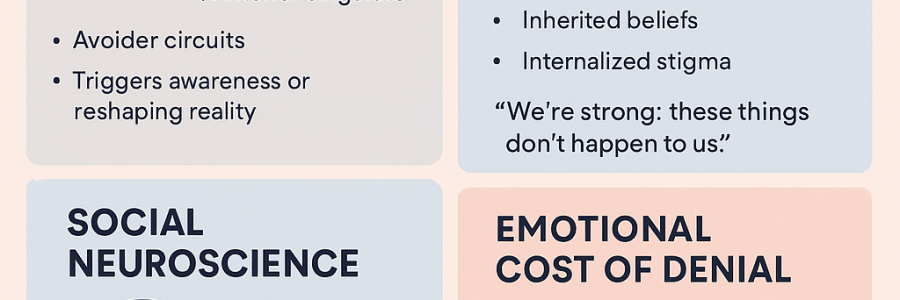
Denial is not just psychological — it’s neurobiological.When the brain encounters something threatening to identity, reputation, or emotional safety, the amygdala (fear center) and anterior cingulate cortex (conflict detector) activate.This triggers avoidance circuits — the brain unconsciously blocks awareness or reshapes reality to reduce emotional pain. In other words: “If I don’t admit it, I don’t have to feel it.” The brain… Read More 🧠 1. The neuroscience of denial: fear and self-protection

🧠 1. Family psychology

Families may: 🧩 2. Neuroscience of perception and memory When family members have seen episodes of psychosis or instability before, the brain forms strong emotional memories (amygdala-based).So even minor changes in behaviour trigger a rapid threat response: “Something’s wrong — it must be the meds.” This is a pattern-recognition bias — the brain tries to protect by linking present cues to… Read More 🧠 1. Family psychology