🧠 Neuroscience & Psychology of Abusive Family Systems

When an entire family becomes abusive — locking you out, controlling finances, stalking, sending threats — this reflects a collective dysfunction of empathy, power, and fear.From both neuroscience and psychology, several key mechanisms explain this: 1. Collective Trauma & Learned Behavior In many abusive families, destructive patterns are learned, repeated, and reinforced over generations. Each family member unconsciously plays… Read More 🧠 Neuroscience & Psychology of Abusive Family Systems

🇬🇧 United Kingdom — UK Representation in Spain

Here are key embassy/consulate contact details for foreign nationals in Spain — useful if you are residing abroad and don’t know where to turn for help. Always carry the full list and local emergency numbers. 🇬🇧 United Kingdom — UK Representation in Spain 🇺🇸 United States — US Representation in Spain 🇮🇳 India — Indian… Read More 🇬🇧 United Kingdom — UK Representation in Spain

The Birth of Refuge: How One House Changed Everything

In the early 1970s, domestic violence was not recognised by law or society as a crime. It was considered a “private matter.” Women like Jenny had nowhere to go. Police often refused to intervene, and families urged women to “go back home.” But in 1971, one woman — Erin Pizzey — decided that silence was no longer… Read More The Birth of Refuge: How One House Changed Everything

When an Abuser Stops Taking Medication for Psychosis or Anger Issues

Neuroscience & Psychology Insights — Linda C J Turner Trauma Therapist | Neuroscience & Emotional Intelligence Practitioner | Advocate for Women’s Empowerment ©Linda C J Turner © 2025 Linda Carol Turner. Content protected by copyright.Reproduction or redistribution in any form requires prior written permission from the author.When quoting or referencing, please cite: Linda Carol, Psychology &… Read More When an Abuser Stops Taking Medication for Psychosis or Anger Issues

Detecting Hidden Violent Tendencies: What Psychologists Look For

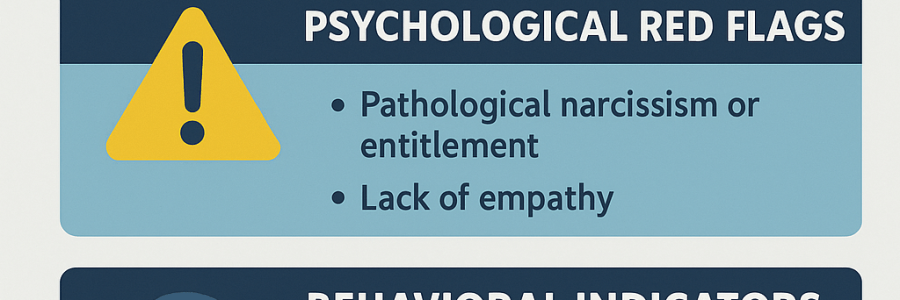
Even when someone seems calm in public, experts can spot warning signs behind closed doors. These signs are subtle and often show up in behavior, speech, or even social media activity. 1. Neuroscience Clues 2. Psychological Red Flags 3. Behavioral Indicators in Interviews 4. Social Media Signals 5. Structured Assessments Psychologists may use validated tools to evaluate risk:… Read More Detecting Hidden Violent Tendencies: What Psychologists Look For

Medication Stabilizes Behavior

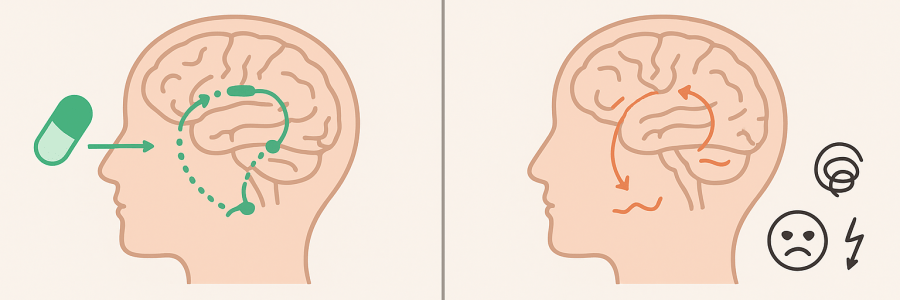
When an abuser has a history of violence and is off their prescribed medication (especially for psychiatric or mood disorders), it significantly increases the risk of aggression and impulsive behavior. Here’s why and what to do: Why It’s Dangerous Immediate Actions Precautionary Steps ⚠️ Red flags that require immediate action: — Linda C J Turner Trauma Therapist |… Read More Medication Stabilizes Behavior

Step by Step Guide

Here’s a step-by-step guide for safely reporting someone with violent fantasies and a history of abuse in the UK and Europe, including what authorities need to know: Step 1: Assess Immediate Danger Step 2: Document What You Know Authorities need clear, factual information: Keep documentation secure and private. Step 3: Contact Appropriate Authorities UK Europe (varies… Read More Step by Step Guide