Psychological Profile of This Behaviour (Property Damage After Disputes)

This pattern of behaviour — demanding entitlement to an asset and then the asset being vandalised soon after — aligns with psychological traits commonly observed in coercive control, retaliatory aggression, and entitlement-based conflict. Individuals who engage in this pattern typically show high sensitivity to perceived loss, rejection, or humiliation, which triggers a disproportionate emotional reaction. When they… Read More Psychological Profile of This Behaviour (Property Damage After Disputes)

Why Someone Demands “Half the Car” and Then the Car Gets Vandalised Twice

When an ex-partner insists they are entitled to “half the car,” and soon after the car is keyed, damaged, repaired, and then keyed again within days, that pattern is not a coincidence.In coercive or abusive dynamics, this behaviour is often a form of retaliation, property intimidation, and psychological punishment. Below is the breakdown. 1. Retaliation for Losing Control… Read More Why Someone Demands “Half the Car” and Then the Car Gets Vandalised Twice

Psychological and Emotional Perspective in the Context of Coercive Control and Domestic Abuse

When an abusive or controlling ex-partner files for divorce again — particularly long after you initiated proceedings — the behaviour often reflects patterns of coercive control, not genuine legal necessity. 1. Reasserting Dominance After Losing Control In coercive-control dynamics, the abuser’s identity relies heavily on their ability to dictate the emotional and practical landscape of the relationship.Your original… Read More Psychological and Emotional Perspective in the Context of Coercive Control and Domestic Abuse

Protecting Yourself After Divorce: A Survivor’s Guide

Even after the divorce is finalized, safety, boundaries, and emotional wellbeing remain top priorities. Survivors of abuse often face ongoing harassment, stalking, or attempts to manipulate outcomes. 1. Legal Protections 2. Technology Safety 3. Personal Safety Planning 4. Emotional and Psychological Protection 5. Ongoing Monitoring and Documentation 6. Rebuilding Autonomy Key Message: Post-divorce safety is about legal… Read More Protecting Yourself After Divorce: A Survivor’s Guide

Understanding the Divorce Process in Spain When Abuse Is Involved

Divorcing is challenging under any circumstances. When abuse—emotional, physical, or psychological—is part of the relationship, it can feel overwhelming. Knowing your rights and the steps involved can help you protect yourself and your children, and make the process clearer. 1. Types of Divorce in Spain 2. How Abuse Affects the Process 3. Practical Steps for… Read More Understanding the Divorce Process in Spain When Abuse Is Involved

Why Some People Won’t Commit Until You Are Fully Divorced

1. The Brain Wants “Clean Attachments” — Not Overlapping Ones Many people’s nervous systems cannot tolerate emotional overlap.For them, attachment circuits (oxytocin + dopamine) only activate fully when the situation feels: If you’re still married, their brain reads it as: “Not finished yet = Not safe yet.” Even if emotionally everything is finished. It’s about symbolic closure, not… Read More Why Some People Won’t Commit Until You Are Fully Divorced

NEUROSCIENCE OF “CONNECTION WITHOUT PROGRESSION”

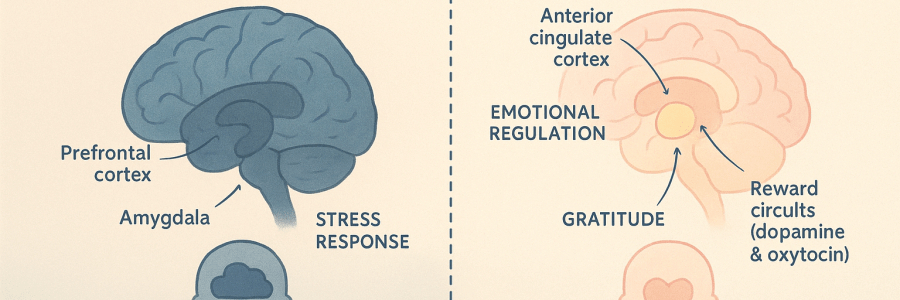
1. The Dopamine–Oxytocin Trick: Emotional Bonding Without Action When someone checks in, calls, sends photos, or maintains friendly emotional contact, your brain releases: This creates a strong felt connection — even if nothing concrete happens. From their side, those same interactions give them enough emotional stimulation that their brain also feels: Result:Both people feel bonded…but neither brain… Read More NEUROSCIENCE OF “CONNECTION WITHOUT PROGRESSION”

Neuroscience Comparison Chart

Trusting Brain vs Manipulative Brain Neural Feature Trusting Brain Manipulative Brain (Dark-Triad Traits) Empathy Circuits (Anterior Insula, ACC) Highly active — can feel others’ emotions easily. Underactive — low resonance with others’ feelings; emotional detachment. Oxytocin Sensitivity Strong — bonding happens quickly; warmth feels natural. Low or strategically used — may mimic bonding to gain… Read More Neuroscience Comparison Chart