Find Your Crowd: The Neuroscience of Surrounding Yourself with the Right People

Human beings are wired for connection. From a neuroscience perspective, our brains are social organs—constantly shaped and reshaped by the people around us. The company we keep doesn’t just influence our mood in the moment; it has lasting effects on how our brains process stress, motivation, and even self-worth. The Brain’s Social Wiring Neuroscience research… Read More Find Your Crowd: The Neuroscience of Surrounding Yourself with the Right People

Lifetime Abuse: The Toll on the Abuser

1. Neuroscience: The Brain in a Constant State of Threat and Control 2. Psychological Effects Over Time 3. Long-Term Consequences Conclusion: The Abuser’s Decline Abuse leaves a double legacy: scars on the victims and corrosion within the abuser. Neuroscience shows that the brain adapts to repeated patterns of rage and control, while psychology reveals the hollowness and isolation… Read More Lifetime Abuse: The Toll on the Abuser

The Connection Between Rejection and Domestic Abuse

Rejection is a powerful emotional experience that touches some of the most primitive regions of the brain. Neuroscience research shows that the brain processes rejection in a similar way to physical pain—the anterior cingulate cortex, the same region activated when the body experiences physical injury, also lights up during experiences of social rejection. This overlap… Read More The Connection Between Rejection and Domestic Abuse

The Power of Honesty in Relationships: Psychology, Neuroscience, and Human Dignity

One of the most profound truths about relationships is that they are built on trust. When honesty is present, even in difficult moments, it preserves a sense of dignity and respect between two people. When dishonesty enters the room—whether through lies, hidden affairs, or unspoken resentments—the foundation weakens. Over time, secrecy corrodes intimacy like rust… Read More The Power of Honesty in Relationships: Psychology, Neuroscience, and Human Dignity

When You’re the One Being Left Out: The Psychology and Neuroscience of Ostracism

Why It Hurts So Deeply Psychological Dynamics at Play Neuroscience of the Experience How to Cope When You’re Left Out 1. Name What’s Happening Instead of internalizing blame (“It must be me”), remind yourself: “This is ostracism. My brain is wired to hurt. This pain is real, but it doesn’t define my worth.” 2. Regulate the… Read More When You’re the One Being Left Out: The Psychology and Neuroscience of Ostracism

Early Childhood Trauma and Abuse

A person who is angry and abusive throughout their life usually has deep-rooted patterns that begin early and are reinforced over time. It’s rarely a single cause—more often, it’s a complex mix of childhood experiences, temperament, neurobiology, and social learning. Here’s a detailed breakdown: 1. Early Childhood Trauma and Abuse 2. Learned Behavioral Patterns 3. Neurobiological and… Read More Early Childhood Trauma and Abuse

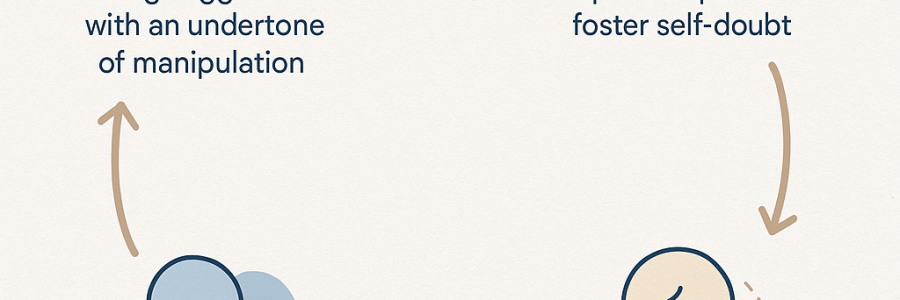
The Repetition of Control: How Manipulation Masquerades as “Care”

One of the most insidious features of long-term manipulation is its disguise. It rarely announces itself as cruelty or domination. Instead, it cloaks itself in the language of concern: “I’m only reminding you because you got it wrong before.” “I’m telling you this for your own good.” To an outside ear, these phrases may sound protective. But when… Read More The Repetition of Control: How Manipulation Masquerades as “Care”

Reclaiming Your Mind: The Neuroscience and Psychology of Moving Forward After Abuse

Life can deal unimaginable blows, and when those blows come from someone you trusted deeply—especially over decades—the psychological and emotional impact can feel overwhelming. Yesterday, you marked a profound milestone: deciding, in your mind and heart, that your abuser is no longer a presence in your life. From now on, your thoughts will focus on… Read More Reclaiming Your Mind: The Neuroscience and Psychology of Moving Forward After Abuse

Ignored or Dismissed: The Brain’s Role in Denial

When a family member ignores or dismisses your experience, it’s not always a conscious act of cruelty—often, it’s tied to how the brain processes threatening information. 2. Blame-Shifting: Psychological Mechanisms Blame-shifting is when responsibility for abuse is deflected onto the survivor. Neuroscience and psychology explain why this happens: 3. Cover-Ups: Social and Neural Dynamics When family members… Read More Ignored or Dismissed: The Brain’s Role in Denial