“Aggressive” is a social control label, not a diagnosis.

What makes the accusation stick isn’t logic — it’s implicit shame + social threat memory. So we work somatically + cognitively, not by arguing with it. I’ll give you a clinical de-charging sequence you can actually use, plus a short script you can return to when the accusation echoes. Step 1: Separate signal from noise (this is crucial) When someone says “you’re aggressive,”… Read More “Aggressive” is a social control label, not a diagnosis.

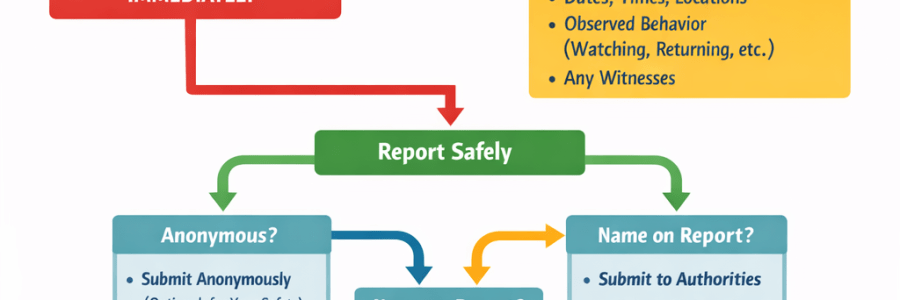
You are usually not in danger for reporting — especially if you do it correctly

When you report concerns, not accusations, and you do it through the proper channels, you are generally protected. Why reporting is safer than staying silent What actually protects you when reporting You stay safe when you: ✔ Stick to facts, dates, behaviours✔ Avoid speculation, diagnosis, or labels✔ Do not confront the person✔ Do not investigate on your own✔ Report once, then disengage✔ Keep copies… Read More You are usually not in danger for reporting — especially if you do it correctly

Write the ending your brain didn’t get ✍️

Alright — here’s how to consciously close a Zeigarnik loop, step by step, in a way your nervous system can actually accept (not just your logic). This isn’t about “getting over it.”It’s about finishing the story your brain keeps replaying. Step 1: Name the open loop (precisely) Your brain can’t close what’s vague. Instead of: Name it like this:… Read More Write the ending your brain didn’t get ✍️

What Emotional Freeloading Looks Like

Emotional freeloading is when someone takes emotional support, care, attention, or stability from another person without giving it back, taking responsibility, or showing genuine empathy in return. It’s not a clinical diagnosis, but it’s a very accurate psychological description of a pattern many people recognise instantly once they’ve lived it. What Emotional Freeloading Looks Like An emotional freeloader: They… Read More What Emotional Freeloading Looks Like

Psychological entrapment

Negative self‑talk, catastrophising, or repeatedly saying “I’m dying / I’m sick / something terrible will happen” does NOT cause cancer, disability, or physical disease. That is not how biology works. However… What is true — and strongly supported by neuroscience — is that repeatedly telling yourself catastrophic health stories can: So let’s separate science from fear very clearly. ✅ What Repeated Catastrophic Self-Talk Does 1. Rewires your… Read More Psychological entrapment

Your Thoughts, Actions, and Beliefs Shape Your Reality — A Neuroscience View

What you’re pointing toward is neuroplasticity:the brain literally rewires itself based on the thoughts you repeat, the stories you tell, and the actions you take. This creates a kind of self‑fulfilling loop that can either protect you or harm you, depending on what you reinforce. Here’s how the science explains it: 1. The Brain Believes What You Repeatedly… Read More Your Thoughts, Actions, and Beliefs Shape Your Reality — A Neuroscience View

Part 3 — When You Tell the Truth That Sounds Unreal

When the time comes for me to reveal who my father was — and the world he moved in — I already know what will happen. People will raise eyebrows.Some will whisper “she’s exaggerating.”Others will say I’m making it up, attention-seeking, dramatising, scare-mongering. But here’s the thing:The people who matter have already seen the evidence.The… Read More Part 3 — When You Tell the Truth That Sounds Unreal

🧩 NLP Therapy: Reframing the Mind for Lasting Change

Meta Description (for SEO):Discover how NLP therapy at Linda C. J. Turner helps reprogram limiting beliefs, release emotional blocks, and build self-confidence. Transform your inner dialogue and reconnect with your true potential. What is NLP? At Linda C. J. Turner, we believe that healing is as much about how we think as how we feel.NLP (Neuro-Linguistic Programming) is a powerful… Read More 🧩 NLP Therapy: Reframing the Mind for Lasting Change

The Hidden Self: How People Mask True Feelings Through Posture and Expression

When we meet someone, the way they carry themselves—posture, facial expression, and overall body language—often tells a deeper story than words can convey. Recent observations from a session with a psychologist illustrate how subtle cues can reveal hidden vulnerabilities, even in those who seem confident and composed. Standing Tall, Feeling Small During a session, my… Read More The Hidden Self: How People Mask True Feelings Through Posture and Expression