No Family Values

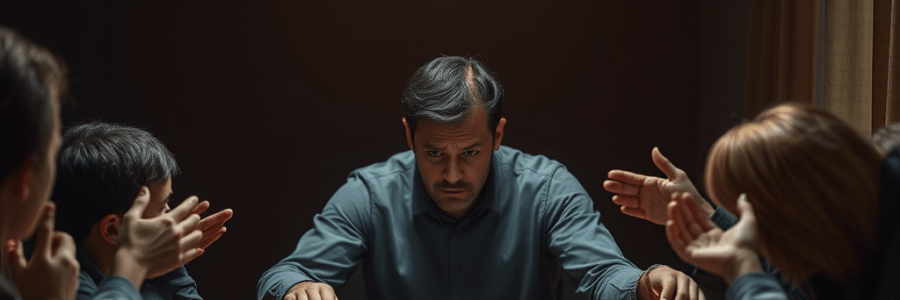
It’s a powerful reflection to wonder how someone would feel if their own child were treated in the same way they’ve treated their partner. Many people who behave selfishly or abusively fail to consider the impact of their actions, let alone how it would feel if the roles were reversed or if someone they loved endured such treatment. If they stopped to truly imagine their own daughter being exploited, neglected, or mistreated for decades, it might force them to confront the pain and harm they’ve caused.
As for what their parents might think—this is another compelling point. For many, the values instilled by family—respect, fairness, love, and accountability—are core principles. If their behavior contradicts those values, they might feel shame or guilt if they allowed themselves to truly reflect. The thought of parents looking on with disappointment or disgust after three decades of this kind of treatment should be a sobering reality check for anyone with a conscience.… Read More No Family Values


 Linda C J Turner | Trauma Therapist & Emotional Healing Specialist