What is Deprivation Conditioning?

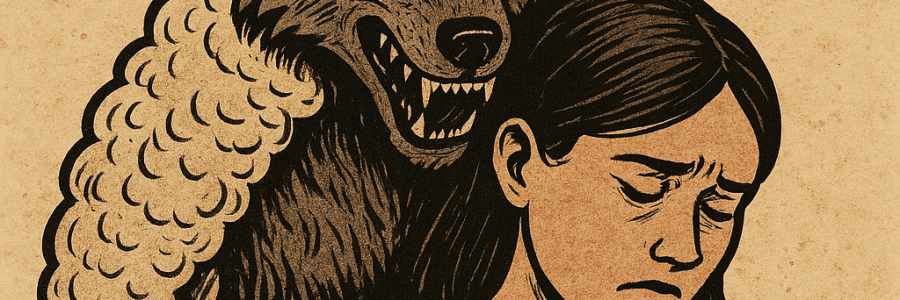
At its core, deprivation conditioning refers to how a person (or even an animal) becomes conditioned — psychologically and behaviorally — because of a lack or absence of something essential. In classical behavioral terms, it’s about how deprivation (like lack of food, love, attention, approval, safety, affection, etc.) creates powerful motivations and emotional patterns. The brain adapts to the absence of basic needs… Read More What is Deprivation Conditioning?

What You Put Out There, You Attract Back: A Psychological and Neuroscientific Perspective

By Linda C J Turner, Therapist & Advocate There’s a powerful phrase that echoes through spiritual teachings, self-help circles, and even casual conversation: “What you put out into the world, you attract back.” While some dismiss it as wishful thinking or metaphysical fluff, modern psychology and neuroscience suggest that there may be more truth in this than… Read More What You Put Out There, You Attract Back: A Psychological and Neuroscientific Perspective

✨When You Finally Feel Safe Again: The Psychology & Neuroscience of Finding Peace After Trauma✨

By Linda C J Turner, Therapist & Advocate After months, years, or even decades of walking on eggshells, feeling hypervigilant, and questioning your own worth… something extraordinary happens: You meet someone who makes you feel safe again. Not just “comfortable.” Not just “nice.” But deeply, profoundly safe. You can breathe. You can exhale. You can stop bracing for… Read More ✨When You Finally Feel Safe Again: The Psychology & Neuroscience of Finding Peace After Trauma✨

Understanding the Dynamics of Lying and Emotional Abuse: A Neuroscience and Psychological Perspective

By Linda C J Turner, Therapist & Advocate As I’ve continued on my own healing journey, I’ve been fascinated by the intersection of neuroscience, psychology, and the effects of emotional abuse and lying. These experiences, although deeply painful, have provided me with a unique opportunity to better understand how the brain responds to manipulation, deception,… Read More Understanding the Dynamics of Lying and Emotional Abuse: A Neuroscience and Psychological Perspective

What Causes Paranoia? A Psychological and Neuroscience Perspective

By Linda C J Turner, Therapist & Advocate Paranoia—whether it manifests as distrust of others, feelings of being watched or judged, or a persistent sense that harm is imminent—can deeply impact a person’s sense of safety and well-being. It’s one of those experiences that can be isolating and distressing, and understanding its roots is key… Read More What Causes Paranoia? A Psychological and Neuroscience Perspective

🌿 Understanding Trauma & the Brain: A Neuroscientific Perspective 🧠

🌿 Understanding Trauma & the Brain: A Neuroscientific Perspective 🧠 Trauma doesn’t just affect our emotions—it profoundly shapes the way our brain functions. From a neuroscience standpoint, understanding how trauma impacts the brain can empower us to take steps toward healing and recovery. When we experience trauma, whether it’s from emotional, physical, or psychological harm, the brain’s… Read More 🌿 Understanding Trauma & the Brain: A Neuroscientific Perspective 🧠

The Brain

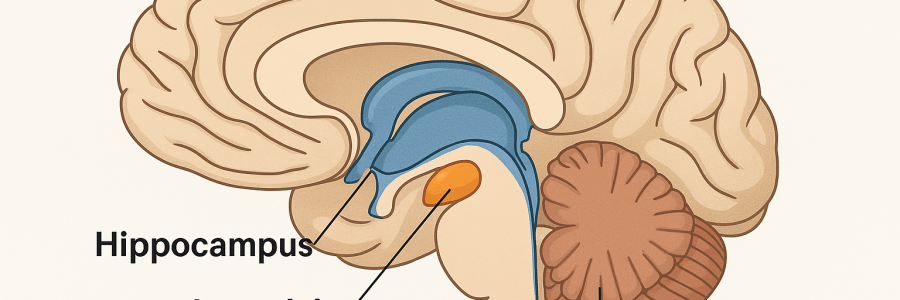
Hippocampus The hippocampus is a curved, seahorse-shaped structure located in the medial temporal lobe of the brain, within the limbic system. It plays a critical role in memory formation, learning, and spatial navigation. The hippocampus is essential for converting short-term memories into long-term ones, allowing us to retain past experiences. It also helps us recognize environments and navigate through space. Damage… Read More The Brain

The Brain Structure of Abusers

Neuroscience has provided valuable insights into the brains of abusers, revealing how their neurological and psychological traits contribute to manipulative, controlling, and harmful behavior. Here’s what research in neuroscience, psychology, and neurobiology suggests about abusers: 1. The Brain Structure of Abusers Neuroimaging studies have found differences in the brains of individuals with narcissistic, antisocial, and… Read More The Brain Structure of Abusers