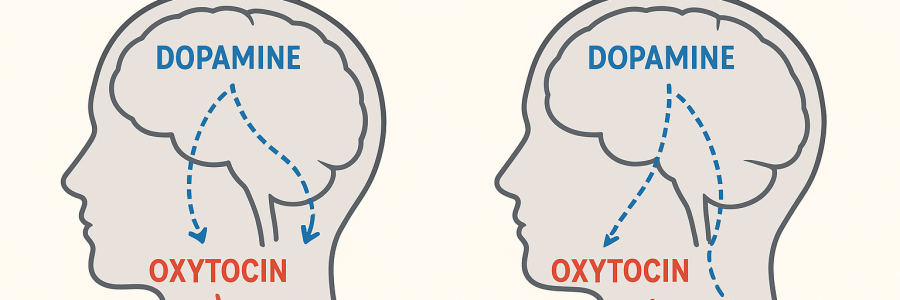
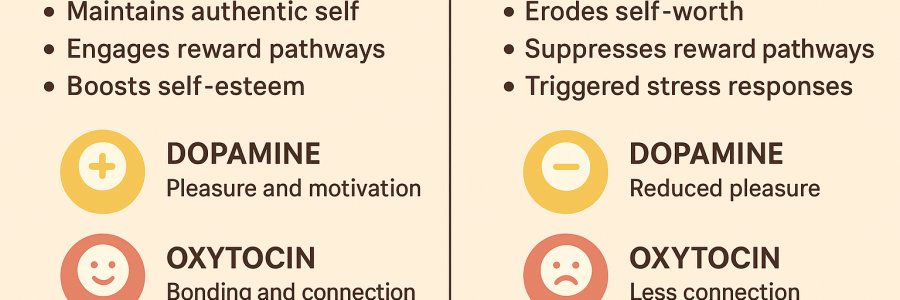
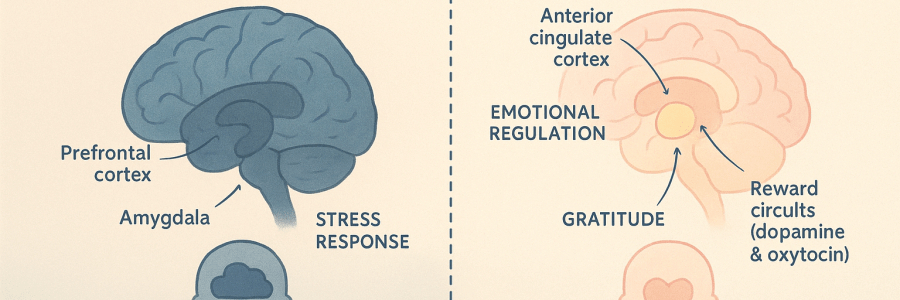
Reclaiming Peace: The Neuroscience of Living Life on Your Own Terms

Living life in constant vigilance—watching what you say, monitoring your every move, justifying your choices, and tiptoeing around the emotional volatility of others—takes an enormous toll on your brain and body. For many who have experienced prolonged stress or relational harassment, freedom isn’t just a luxury; it’s a fundamental act of healing. The Brain Under… Read More Reclaiming Peace: The Neuroscience of Living Life on Your Own Terms

Why They Stay Close: The Psychology of Obsessive Proximity After a Breakup

Even after the relationship ends — after the messages, the threats, even a restraining order — some people still won’t go away.They linger nearby, rent close to your home, “coincidentally” appear in places they know you go, or find indirect ways to stay connected. It feels irrational. It is.But beneath the chaos, psychology and neuroscience reveal a… Read More Why They Stay Close: The Psychology of Obsessive Proximity After a Breakup

When Hate Replaces Love: The Psychology Behind an Ex Who Can’t Let Go

One year after a breakup — even after a restraining order — some people still can’t walk away.Their behavior moves beyond heartbreak into something darker: obsession, rage, and control.You can see it in their eyes — the love they once claimed has mutated into hate.But hate, in neuroscience, is just love turned toxic inside a dysregulated brain. 🧠 1.… Read More When Hate Replaces Love: The Psychology Behind an Ex Who Can’t Let Go

🧠 Neuroscience: What’s Happening in the Brain of Someone Who Breaks a Restraining Order

When someone repeatedly violates boundaries — especially legal ones — it often reflects dysregulation in the brain’s self-control and emotional regulation systems. 1. Overactivation of the Limbic System The amygdala, the brain’s emotional alarm center, becomes hyperactive.They perceive rejection or loss not as a normal life event but as a threat to identity.This can trigger a flood of stress… Read More 🧠 Neuroscience: What’s Happening in the Brain of Someone Who Breaks a Restraining Order

One-sided or exploitative relationships

A classic pattern of one-sided or exploitative relationships, and both psychology and neuroscience give powerful insight into why these dynamics feel so draining and confusing. Here’s a breakdown that connects behaviour, brain science, and emotional impact 👇 ⚖️ 1. The Psychology of One-Sided Relationships People who make everything about what you can do for them often show traits linked to narcissistic or emotionally avoidant patterns:… Read More One-sided or exploitative relationships

💭 “You Don’t Miss What You Never Had”

The Psychology and Neuroscience of Absence, Longing, and Emotional Imprinting We often hear the phrase “you don’t miss what you never had” — and on the surface, it sounds simple.But in psychological and neurological terms, this truth carries layers of meaning about attachment, emotional learning, and the brain’s relationship with experience. 🧠 The Brain Only Grieves What It… Read More 💭 “You Don’t Miss What You Never Had”

🧠 When You Know What You Don’t Want:

The Neuroscience of Rebuilding Direction and Desire There comes a time when you’re certain of what no longer fits — relationships, environments, or versions of yourself that feel constraining — yet you’re not quite sure what comes next.That in-between space can feel confusing or even empty. But from a psychological and neuroscientific perspective, it’s one… Read More 🧠 When You Know What You Don’t Want:

🌿 One Year of Growth: The Neuroscience of Becoming Yourself Again

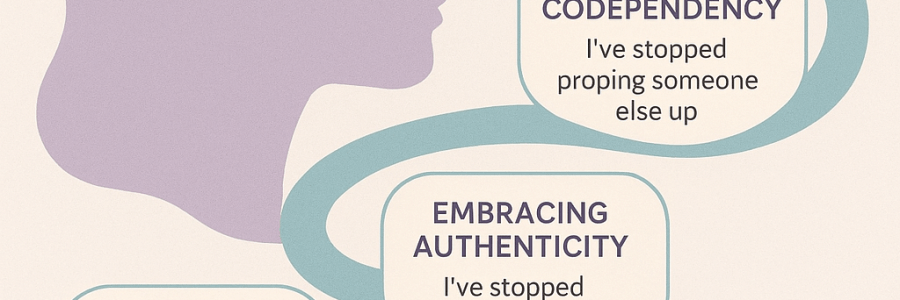
One year can change everything. Over the past twelve months, I’ve learned more about myself than in a lifetime. I’ve discovered strength I didn’t know I had — not the kind that hides behind a smile, but the quiet resilience that grows from truth, healing, and self-compassion. For years, I was the crutch for others,… Read More 🌿 One Year of Growth: The Neuroscience of Becoming Yourself Again

“One year of your life can make so much difference.”

🧠 The Neuroscience and Psychology of One Year of Growth “One year of your life can make so much difference.”When you consciously choose healing, your brain’s neuroplasticity — its ability to rewire — begins to reshape how you think, feel, and relate. Every moment of self-reflection builds new neural connections for insight and self-compassion. 1. Self-Awareness: Seeing Yourself from… Read More “One year of your life can make so much difference.”