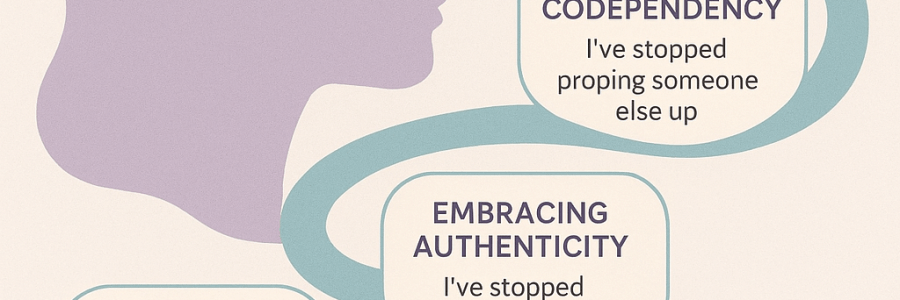
The Neuroscience of Coercive Control in Divorce: How Threats Hijack the Brain and How to Break Free

By Linda Carol When a relationship ends, it should bring space for calm. But for many survivors of coercive or emotionally abusive marriages, separation is not peace — it’s the beginning of a new battle for psychological freedom. Threats, intimidation, and manipulative contact often intensify just as the survivor tries to disconnect. Neuroscience helps us understand… Read More The Neuroscience of Coercive Control in Divorce: How Threats Hijack the Brain and How to Break Free
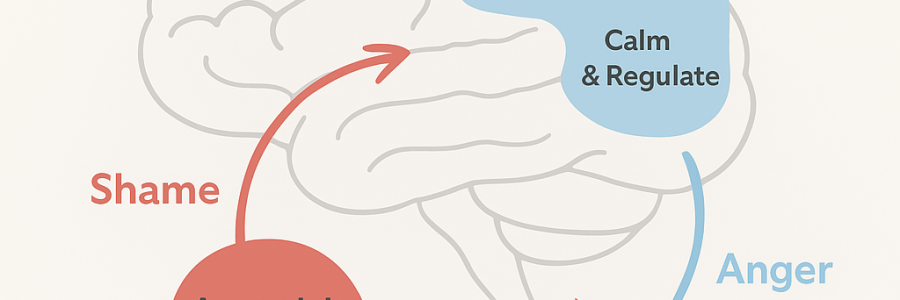
The Neuroscience of Digital Threats: When WhatsApp Becomes a Tool of Psychological Harassment

By Linda Carol Technology has given us new ways to connect — and new ways to control, intimidate, and wound.When a message pings on WhatsApp, our brain reacts long before we consciously read it.If that message contains threats, emotional pressure, or blackmail, it doesn’t just disturb the mind — it leaves measurable imprints on the nervous… Read More The Neuroscience of Digital Threats: When WhatsApp Becomes a Tool of Psychological Harassment

🧠 Why Some People Pull Away: The Neuroscience of Fear, Shame, and Avoidance

When someone says they’ll call, make plans, or express interest — and then disappears — it often feels personal, confusing, and painful. But neuroscience shows that these behaviors often reflect how their emotional brain circuits are operating, not a reflection of your worth. 1️⃣ The Role of the Amygdala: The Brain’s Alarm System The amygdala is the brain’s… Read More 🧠 Why Some People Pull Away: The Neuroscience of Fear, Shame, and Avoidance

🧠 What “Limbic Hijacking” Really Means

The term comes from Daniel Goleman (author of Emotional Intelligence) and refers to moments when the limbic system — the emotional center of the brain — overrides the prefrontal cortex, which is responsible for logic, reasoning, and self-control. In simpler terms: The emotional brain takes the driver’s seat, while the rational brain gets locked in the trunk. 🧩 The Brain Areas… Read More 🧠 What “Limbic Hijacking” Really Means

Practical steps that calm the brain’s alarm system

Science-based strategies that protect your body and mind when you’ve been through chronic harassment or trauma.(If someone is currently violating a restraining order, though, please keep involving law enforcement or a legal advocate—safety planning is the top priority.) 🧠 1. Re-establish real safety first Your nervous system can’t down-regulate while it still senses danger. Practical steps… Read More Practical steps that calm the brain’s alarm system

The Brain’s Safety System Is Still on Alert

When an abuser continues to intrude or stalk, even after you’ve left, it interferes with the brain’s natural healing and rewiring process. Let’s unpack what’s happening — both neurologically and psychologically — and why it can feel like your brain is being “hijacked” by the connection that refuses to die. 1. The Brain’s Safety System Is… Read More The Brain’s Safety System Is Still on Alert

The Neuroscience of Peaceful Living and Real Connection

Calm evenings out with real conversation.Someone who smiles, listens, and asks you questions — not to judge, but to connect.Evenings at home, sharing a meal, playing guitar, singing together.Weekends with friends and our dogs who’ve made the move to Spain.Fun days and nights with family — eating, laughing, relaxing. This is how life should be:No… Read More The Neuroscience of Peaceful Living and Real Connection

True Compatibility: Alignment Over Control

Many people enter relationships believing that love requires compromise. While compromise is essential for practical aspects of partnership, true compatibility is not about bending yourself to fit someone else’s world — it’s about alignment between your values, goals, and authentic self. The Psychology of Self-Abandonment Self-abandonment occurs when you suppress or compromise your core identity… Read More True Compatibility: Alignment Over Control

Love Has No Age: The Neuroscience of Living in the Moment

Yesterday, someone told me, “We’re too old for relationships.”Later that same day, another voice said the opposite — “It depends on where you are in your healing, and what feels right for you.” And that’s the truth: it always depends on where your heart and mind are in their journey. From a psychological view, healing reshapes the… Read More Love Has No Age: The Neuroscience of Living in the Moment