Why Healthy Relationships Matter
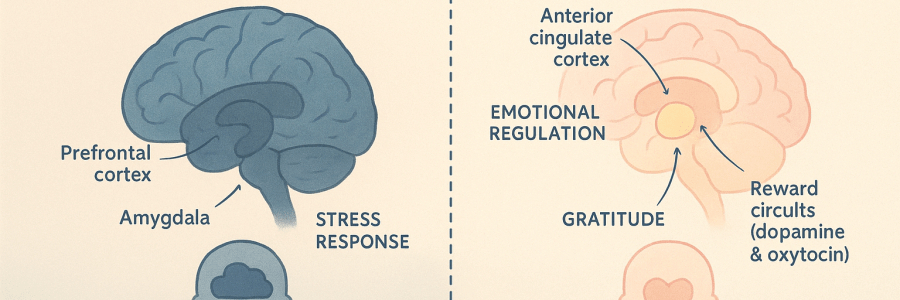
Surrounding yourself with healthy, supportive, and inspiring people is one of the most powerful ways to protect your emotional well-being, reinforce positive habits, and create resilience against toxic or dark-trait individuals. Here’s a breakdown of why and how to do it effectively: 1. Why Healthy Relationships Matter Neuroscience Perspective Psychology Perspective 2. Characteristics of ‘Healthy, Beautiful’ People… Read More Why Healthy Relationships Matter
Neuroscience-Informed Trauma Bond Resistance: Overview

Key Concepts / Mechanisms Practical Implications Neurobiology of Trauma Bonds Explains how the brain forms strong attachments even in harmful relationships. – Dopamine system (nucleus accumbens): reward spikes during intermittent affection.– Oxytocin system: strengthens bonding, trust, and attachment.– Amygdala & HPA axis:hyperarousal, fear, and stress responses.– Prefrontal cortex suppression:rational decision-making is reduced during emotional manipulation. – Recognize neurochemical dependence.– Understand physiological… Read More Neuroscience-Informed Trauma Bond Resistance: Overview

Neuroscience-Informed Guide to Trauma-Bond Resistance

1. Understanding the Neurobiology of Trauma Bonds Trauma bonds form when intermittent reinforcement (alternating kindness and abuse) hijacks the brain’s reward and stress systems: Result: Even when abused, your brain craves connection, creating a powerful attachment. 2. Key Psychological Mechanisms 3. Strategies to Build Resistance (Neuroplastic Approach) A. Strengthen Prefrontal Cortex Engagement Activates rational decision-making, reduces impulsive reactivity.… Read More Neuroscience-Informed Guide to Trauma-Bond Resistance

Behavioral Indicators

Avoiding or protecting yourself from individuals with dark-triad traits (Machiavellianism, psychopathy, narcissism) or related traits like sadism involves a combination of psychological awareness, boundary-setting, and behavioral strategies. Here’s a thorough, neuroscience-informed guide: 1. Recognize Early Red Flags Behavioral Indicators Psychological Indicators Tip: Keep a mental or written note of repeated patterns rather than dismissing them as one-off incidents. 2.… Read More Behavioral Indicators

Forensic Psychological Explanation: Interaction Between Dark-Trait Individuals and Empathetic Persons

1. Introduction This report summarizes the interaction patterns between individuals exhibiting dark personality traits (Sadism, Machiavellianism, Psychopathy, Narcissism) and highly empathetic or conscientious partners. The purpose is to explain the mechanisms of attraction, behavioral influence, and potential emotional harm in a way suitable for legal review, psychological evaluation, or expert testimony. 2. Core Concepts Concept… Read More Forensic Psychological Explanation: Interaction Between Dark-Trait Individuals and Empathetic Persons

Why Dark-Trait Individuals Seek Out Empathic, Strong, Caring People

This is the other half of the equation, and it’s backed by research. 1. They Target Those Who Are Empathically Generous From a Machiavellian/sadistic/psychopathic perspective, the ideal partner is someone who: This makes the empathetic partner: ➡️ easier to control➡️ easier to manipulate➡️ less likely to leave immediately This is not a weakness — it’s a strength exploited. 2.… Read More Why Dark-Trait Individuals Seek Out Empathic, Strong, Caring People

Perpetrator Behavior

(Behavior → Emotional Harm → Legal Relevance) Perpetrator Behavior Emotional / Psychological Harm to Victim Legal Relevance / Evidentiary Value Chronic manipulation, deceit, gaslighting Confusion, self-doubt, anxiety, impaired decision-making; erosion of self-trust. Demonstrates coercive control; pattern of psychological abuse; undermines victim’s ability to consent or make free decisions. Humiliation, degradation, mocking distress Shame, fear, trauma… Read More Perpetrator Behavior

Sadism, Machiavellianism & Dark Personality Traits — A Deeper Neuroscience + Psychology Breakdown

1. Sadism (Everyday & Clinical) Sadism exists on a spectrum, from “everyday” forms (enjoying watching others fail, liking violent media) to severe antisocial variants (enjoying inflicting harm). Key Neuroscience Findings 🔹 Reward System Activation 🔹 Empathy Network Disruption 🔹 Heightened Threat System, Low Guilt 2. Machiavellianism (Strategic Manipulation) This trait is defined by calculated manipulation, strategic deceit, emotional detachment, and… Read More Sadism, Machiavellianism & Dark Personality Traits — A Deeper Neuroscience + Psychology Breakdown

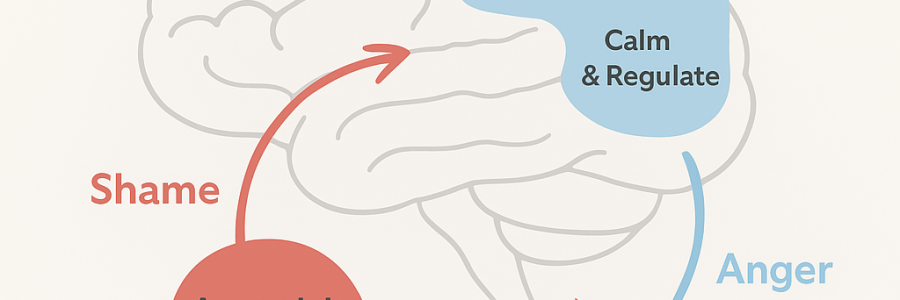
Fear and Shame

That is a very common and deeply harmful dynamic in cases of gender-based violence. When family or friends prioritize reputation, image, or “keeping the peace” over your safety, it adds a layer of secondary abuse and isolation. Here’s a breakdown of what’s happening and why it’s damaging: 🔹 What’s happening 🔹 Why it’s harmful 🔹 Healthy ways to handle… Read More Fear and Shame