For Survivors Who Were Told They Were Wrong

You were not imagining it.You were not too sensitive.You were not confused, dramatic, vindictive, or unstable. What you sensed was real — and the fact that others dismissed it does not make it less true. From the very beginning, your body knew.The tightening in your chest.The sudden fatigue.The sense of walking on eggshells.The feeling that something was off,… Read More For Survivors Who Were Told They Were Wrong

Some people protect power, not truth

1. The Brain Prefers Familiar Power Over Disruptive Truth Normalcy Bias (Neuroscience) The human brain is designed to preserve stability. It feels easier to doubt the victim than to accept: “Someone we trust is capable of cruelty.” 2. Just-World Fallacy: “Bad Things Happen for a Reason” Psychological Self-Protection People want to believe the world is fair because… Read More Some people protect power, not truth

The Psychological Profile

A man who bullies or abuses women and children but never confronts another man is showing selective aggression. That selectivity is the key. 1. Predatory Risk Assessment Abusers are not “out of control.”They are highly controlled when it matters to them. Psychology calls this instrumental aggression — violence used as a tool, not an emotional overflow. The Neuroscience Behind It 2. Amygdala + Prefrontal… Read More The Psychological Profile

Why Trauma Survivors Are Trained to Override Their Intuition

(And Why Unlearning It Is Part of Healing) Trauma survivors don’t ignore their intuition because it’s broken.They ignore it because their nervous system was trained to. Overriding gut feelings is not a personality trait — it’s a survival skill learned under threat. 1. Trauma Punishes Listening to Intuition In abusive or unsafe environments, intuition often says: But… Read More Why Trauma Survivors Are Trained to Override Their Intuition

What Happens When You Ignore Your Intuition and Go Into Denial

(“My brain knows better” — until it doesn’t) When intuition signals danger and the conscious mind overrides it, the nervous system doesn’t suddenly agree and stand down.It escalates. Denial isn’t calm reasoning — it’s a stress response driven by fear, conditioning, or wishful thinking. Your brain isn’t “being logical”; it’s trying to avoid discomfort, loss, or… Read More What Happens When You Ignore Your Intuition and Go Into Denial

Never Ignore Your Intuition or Gut Feeling: The Neuroscience Behind Why

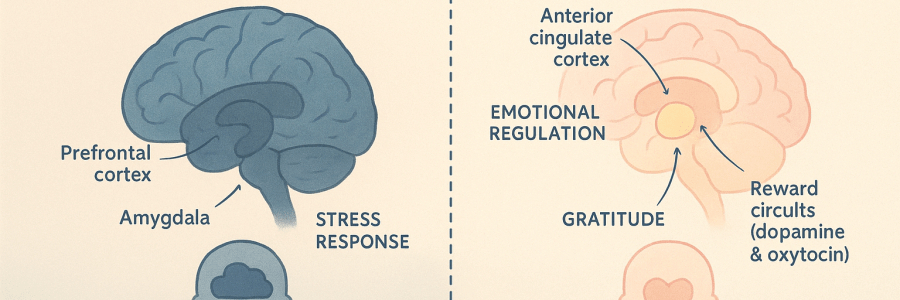
Your intuition isn’t magical.It’s biological intelligence. What people call a “gut feeling” is your nervous system processing information faster than conscious thought — and trying to keep you safe. 1. Your Body Detects Threat Before Your Mind Can Explain It The brain receives far more sensory data than you can consciously process.Your amygdala and insular cortex scan for danger, inconsistency, and pattern… Read More Never Ignore Your Intuition or Gut Feeling: The Neuroscience Behind Why

How to Spot Emotional Freeloading Early

Early emotional freeloading is subtle because it often looks like “need,” “vulnerability,” or “closeness.” The key is pattern, not moments. Early Warning Signs (Usually Appear Together) The Body Test (Very Accurate) Ask yourself after interacting: Your nervous system detects imbalance before your mind names it. Early rule:Healthy people self-regulate and accept support.Emotional freeloaders outsource regulation. 2. How Courts and Abuse… Read More How to Spot Emotional Freeloading Early

1. Why Kind People Are Targeted by Emotional Freeloaders

Kind people aren’t targeted because they’re weak.They’re targeted because they’re reliable sources of emotional regulation. From a psychology and neuroscience perspective, emotional freeloaders instinctively gravitate toward people who: Your nervous system soothes theirs. The Neuroscience Angle Humans unconsciously seek external regulation when they can’t regulate themselves.If someone lacks emotional regulation skills, their brain looks for another nervous… Read More 1. Why Kind People Are Targeted by Emotional Freeloaders

Why Kind People Feel Guilt More Intensely

1. Empathy Turns Other People’s Emotions Into Your Responsibility Kind people have highly active empathy networks (including the anterior insula and anterior cingulate cortex).This means you don’t just understand how someone feels — you feel it with them. So when someone is upset: This makes kind people far more likely to ask, “What did I do?” even when the answer is nothing. 2. You Were… Read More Why Kind People Feel Guilt More Intensely