Why calm felt dangerous?

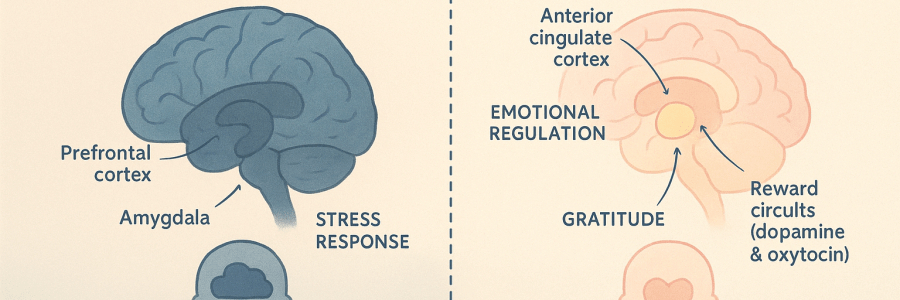
This is one of the hardest and most important transitions after long-term abuse.Distrusting calm wasn’t a flaw — it was adaptive. Now your nervous system needs help updating its rules. I’ll explain why calm felt dangerous, then how to retrain trust in it using neuroscience, not positive thinking. 1. Why calm used to feel unsafe (this matters) In abusive environments, calm… Read More Why calm felt dangerous?

Red Light vs Green Light

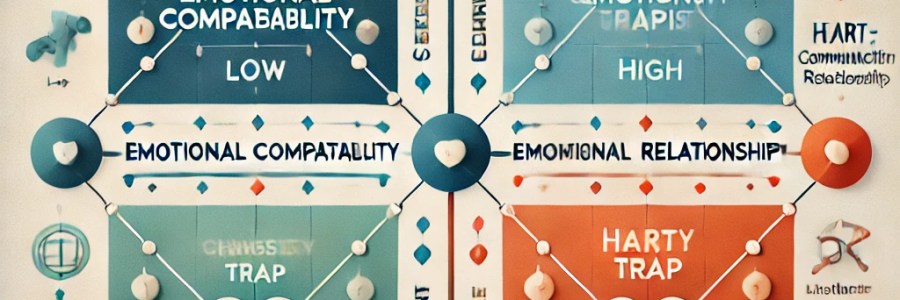
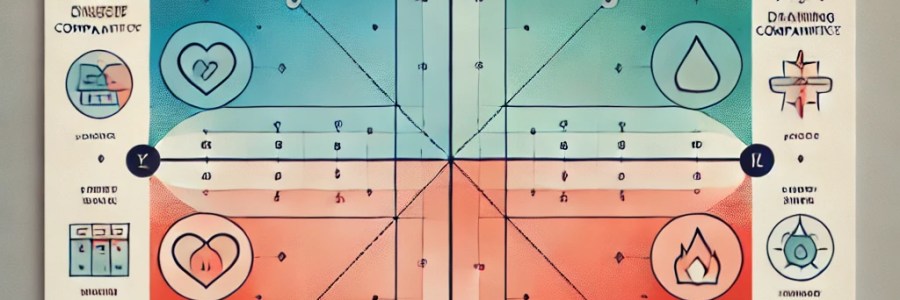
Here is a clear, neuroscience-based map you can use in real time when you eventually date.This isn’t about judging people — it’s about listening to your nervous system, which now has much better data than it used to. Green vs Red Nervous-System Signals in Dating (After long-term abuse) 🟢 GREEN SIGNALS These indicate ventral vagal regulation — safety, presence, and choice. 1.… Read More Red Light vs Green Light

How long before dating gain?

This is one of the most important questions in recovery — and neuroscience gives a clear, compassionate answer that is very different from cultural pressure to “move on”. I’ll speak directly to you, not in generic advice. The short answer (grounded in neuroscience) After decades of abuse, the nervous system needs time to re-baseline before it can choose safely. Not… Read More How long before dating gain?

Global withholding

When withholding crosses into every domain of life, neuroscience and psychology recognise it as a global control strategy rooted in deep dysregulation and personality structure, not circumstance. I’ll explain this carefully and clearly. 1. The core pattern: Global withholding When someone is: …what you are seeing is not many separate flaws.It is one central operating system: “Nothing flows unless it benefits… Read More Global withholding

1. Calm removes the “survival anesthesia”

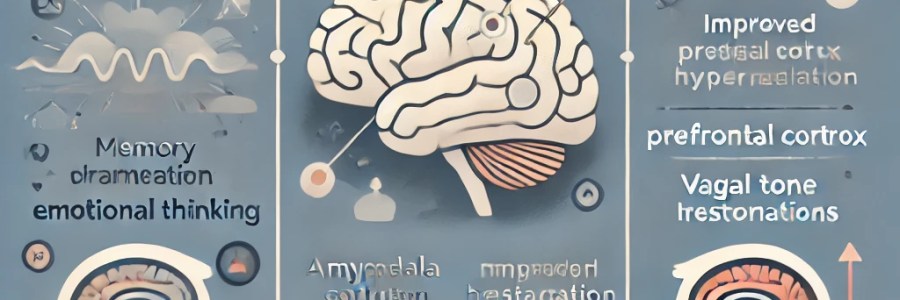
During abuse or chronic stress, the nervous system protects you by: Stress hormones like cortisol and adrenaline act like a kind of anesthetic. They keep grief, anger, and loss out of conscious awareness because feeling them would have been unsafe or overwhelming at the time. When calm returns: So emotions that were deferred, not resolved, finally get airtime. This isn’t… Read More 1. Calm removes the “survival anesthesia”

Why calm can feel unfamiliar (and even unsettling)

When someone lives for years in an abusive, unpredictable environment, the nervous system adapts for survival, not comfort. 1. Your nervous system was trained for threat, not peace Chronic abuse keeps the brain in sympathetic dominance (fight/flight) or freeze. Over time, calm becomes unfamiliar. The body learns: “Stillness = danger might be coming.” So when calm finally appears, the brain… Read More Why calm can feel unfamiliar (and even unsettling)

Why abusers escalate at Christmas (psychology)

A. Loss of control triggers retaliation Divorce removes an abuser’s primary fuel: control. When they can no longer: they often shift to covert, deniable sabotage. Stealing cards from a shared postbox and reporting them stolen: This is called instrumental aggression — harm used strategically, not emotionally. B. Holidays intensify narcissistic injury Christmas amplifies three things abusers struggle with: Instead of… Read More Why abusers escalate at Christmas (psychology)