🧠 When You Know What You Don’t Want:
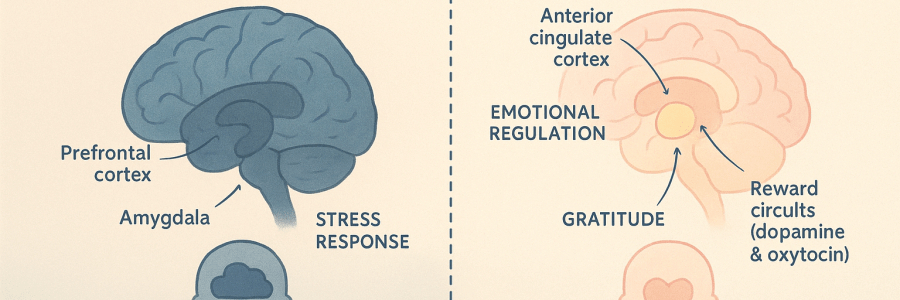
The Neuroscience of Rebuilding Direction and Desire There comes a time when you’re certain of what no longer fits — relationships, environments, or versions of yourself that feel constraining — yet you’re not quite sure what comes next.That in-between space can feel confusing or even empty. But from a psychological and neuroscientific perspective, it’s one… Read More 🧠 When You Know What You Don’t Want:
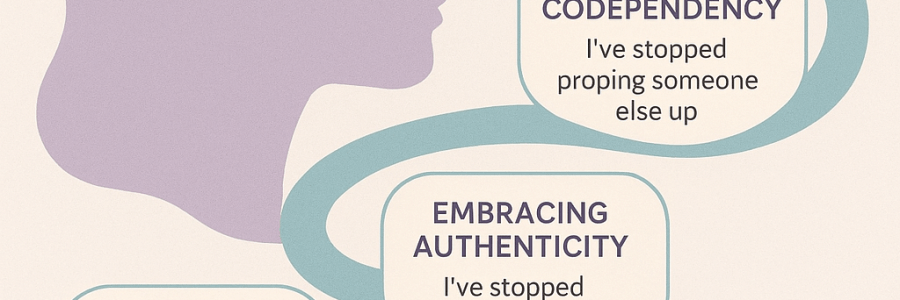
🌿 One Year of Growth: The Neuroscience of Becoming Yourself Again

One year can change everything. Over the past twelve months, I’ve learned more about myself than in a lifetime. I’ve discovered strength I didn’t know I had — not the kind that hides behind a smile, but the quiet resilience that grows from truth, healing, and self-compassion. For years, I was the crutch for others,… Read More 🌿 One Year of Growth: The Neuroscience of Becoming Yourself Again

“One year of your life can make so much difference.”

🧠 The Neuroscience and Psychology of One Year of Growth “One year of your life can make so much difference.”When you consciously choose healing, your brain’s neuroplasticity — its ability to rewire — begins to reshape how you think, feel, and relate. Every moment of self-reflection builds new neural connections for insight and self-compassion. 1. Self-Awareness: Seeing Yourself from… Read More “One year of your life can make so much difference.”

When Intimidation Stops Working: The Neuroscience of Calm Power

When fear, threats, and insults stop working — when the person who once scared you realizes you’re no longer shaken — something powerful has shifted.Not in them, but in you. They will throw everything they can: intimidation, legal threats, emotional manipulation, guilt trips, character attacks. But when your nervous system no longer reacts the way it used… Read More When Intimidation Stops Working: The Neuroscience of Calm Power

Being the “Easy-Going One”: The Neuroscience of Over-Tolerating Bad Behavior

People often say, “You’re so understanding,” “You’re easy-going,” or “Nothing seems to bother you.”But sometimes, that calm exterior isn’t peace — it’s over-tolerance, a nervous system trained to keep the peace even when you’re hurting. 🧠 The Brain Behind Being “Laid-Back” When you grow up or live in environments where conflict feels unsafe, your brain learns to minimize tension to stay protected. This… Read More Being the “Easy-Going One”: The Neuroscience of Over-Tolerating Bad Behavior

Emotional Contagion: How We Catch Feelings from One Another

Have you ever noticed how one person’s mood can change the atmosphere of an entire room? A colleague’s laughter can lift your spirits, while someone’s anxiety or irritation can leave you tense and unsettled. This invisible emotional exchange isn’t just social intuition — it’s a biological process known as emotional contagion. The Neuroscience Behind Shared Emotions… Read More Emotional Contagion: How We Catch Feelings from One Another

The Body Reflects the Nervous System

When someone shifts from hunched and shuffling to upright and puffed-chest, it’s not just posture changing — it’s a neurobiological and psychological state shift. Let’s unpack this step by step 👇 🧠 1. The Body Reflects the Nervous System A hunched, shuffling posture signals parasympathetic dominance, especially the dorsal vagal state — associated with withdrawal, defeat, or shutdown.It’s the body saying: “I don’t feel… Read More The Body Reflects the Nervous System

🌿 Buddhism in 10 Daily Habits 🌿

1. Pause and Notice Take a moment to observe your thoughts, feelings, and body. Awareness is the first step to clarity.Example: Before reacting to a situation, breathe and notice your inner state. 2. Accept Change Remind yourself that everything is temporary. Life flows, and so can you.Example: When plans change, say: “This is temporary. I can adapt.”… Read More 🌿 Buddhism in 10 Daily Habits 🌿

Understand Suffering (Four Noble Truths)

Here’s a simple, modern, day-to-day guide to Buddhist teachings, showing how each principle can be applied in everyday life: 1. Understand Suffering (Four Noble Truths) Daily Application: Notice when you’re stressed, frustrated, or unhappy. Instead of blaming others or yourself, pause and observe: What desire or expectation is causing this discomfort? 2. Let Go of Clinging (Attachment and Impermanence)… Read More Understand Suffering (Four Noble Truths)