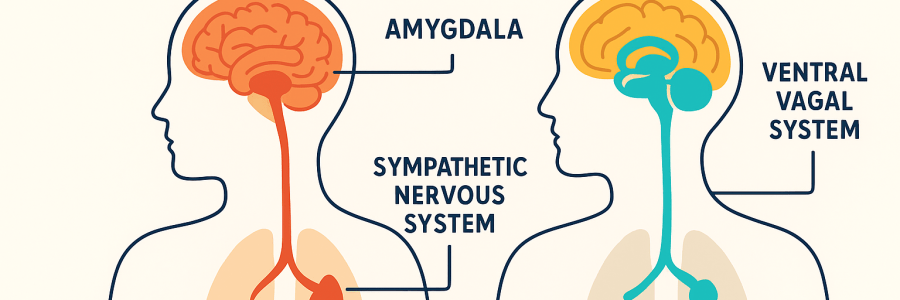
The Body Reflects the Nervous System

When someone shifts from hunched and shuffling to upright and puffed-chest, it’s not just posture changing — it’s a neurobiological and psychological state shift. Let’s unpack this step by step 👇 🧠 1. The Body Reflects the Nervous System A hunched, shuffling posture signals parasympathetic dominance, especially the dorsal vagal state — associated with withdrawal, defeat, or shutdown.It’s the body saying: “I don’t feel… Read More The Body Reflects the Nervous System

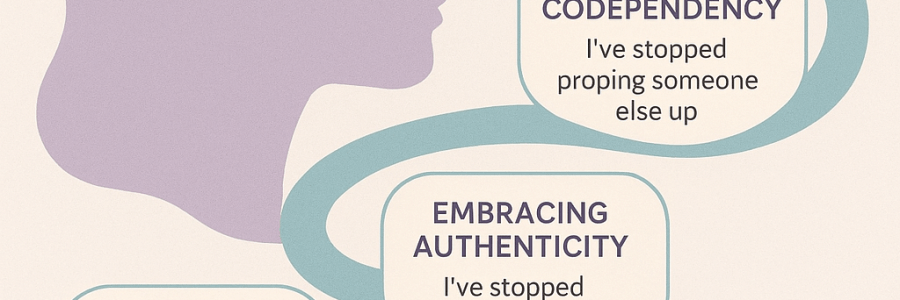
🌿 Buddhism in 10 Daily Habits 🌿

1. Pause and Notice Take a moment to observe your thoughts, feelings, and body. Awareness is the first step to clarity.Example: Before reacting to a situation, breathe and notice your inner state. 2. Accept Change Remind yourself that everything is temporary. Life flows, and so can you.Example: When plans change, say: “This is temporary. I can adapt.”… Read More 🌿 Buddhism in 10 Daily Habits 🌿

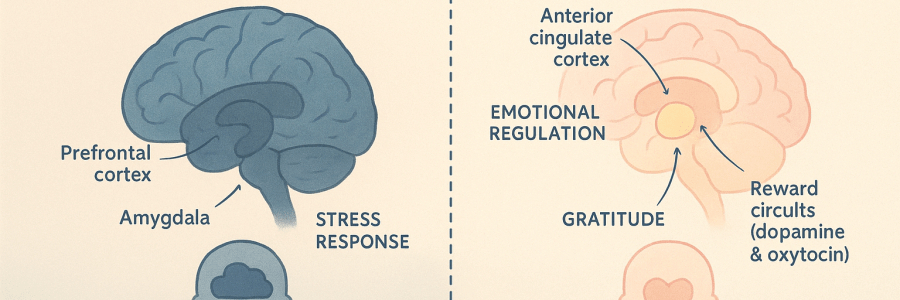
Understand Suffering (Four Noble Truths)

Here’s a simple, modern, day-to-day guide to Buddhist teachings, showing how each principle can be applied in everyday life: 1. Understand Suffering (Four Noble Truths) Daily Application: Notice when you’re stressed, frustrated, or unhappy. Instead of blaming others or yourself, pause and observe: What desire or expectation is causing this discomfort? 2. Let Go of Clinging (Attachment and Impermanence)… Read More Understand Suffering (Four Noble Truths)

Ego Self vs. Higher Self: Understanding the Difference

The Ego Self The ego self is the part of us most people are familiar with—it’s the “I” that interacts with the world. In psychological terms, the ego helps us form an identity and navigate daily life. Neuroscience points to areas like the default mode network in the brain (active when we think about ourselves and our place in… Read More Ego Self vs. Higher Self: Understanding the Difference

Guided Meditation: Calming the Mind

🌸 Preparation 🌬️ Breath AwarenessTake a deep breath in through your nose, filling your lungs fully…Pause for a moment…And slowly exhale through your mouth, letting any tension flow out. Repeat this two more times—inhale calm, exhale release.Now, let your breathing find its natural rhythm. Simply notice the rise and fall of your chest or belly. 💭 Calming ThoughtsImagine… Read More Guided Meditation: Calming the Mind

1. Breathwork and the Autonomic Nervous System

Many tantric practices emphasize controlled breathing (pranayama). This isn’t just spiritual—it has a direct physiological effect: In essence, breathwork is a way to consciously shift the nervous system from stress (sympathetic) to relaxation and heightened awareness (parasympathetic). 2. Meditation, Visualization, and Neural Plasticity Tantric meditation often uses mantras (sounds), yantras (visual patterns), or guided imagery: 3. Energy Work and… Read More 1. Breathwork and the Autonomic Nervous System

Tantra

Tantra is a complex and multifaceted spiritual tradition that originates from India and has roots in both Hinduism and Buddhism. At its core, tantra is about transformation—using specific practices, rituals, and philosophical frameworks to expand consciousness, deepen self-awareness, and experience unity with the divine or the universe. Here’s a deeper breakdown: 1. Philosophical Aspect Tantra sees… Read More Tantra