“You Matter Too: Why It’s Time to Prioritise Your Health After Abuse”

“You Matter Too: Why It’s Time to Prioritise Your Health After Abuse” While you’ve been consumed with surviving—navigating the minefield of emotional manipulation, walking on eggshells, and bending yourself in every direction just to maintain some sense of peace at home—it’s likely you’ve put yourself last. You’ve spent years pandering to your abuser’s moods, trying… Read More “You Matter Too: Why It’s Time to Prioritise Your Health After Abuse”

When the Enteric Nervous System (ENS) Is Out of Balance

When the Enteric Nervous System (ENS) and the Interoceptive Nervous System (INS) get out of balance, it can significantly impact both physical and mental health. These systems are deeply interconnected with the brain, meaning dysregulation can lead to symptoms of anxiety, depression, trauma responses, and digestive issues. Here’s what can happen when they are disrupted: 1. When the Enteric Nervous… Read More When the Enteric Nervous System (ENS) Is Out of Balance

Key Research Findings on Life Expectancy Reduction

The exact number of years that long-term abuse can shorten a person’s life span varies depending on factors like the type of abuse, its duration, and an individual’s overall health and resilience. However, research suggests that survivors of chronic abuse—especially those who experience childhood trauma or long-term intimate partner violence—can have a life expectancy reduced by… Read More Key Research Findings on Life Expectancy Reduction

Shortened Life Span

Long-term abuse, whether it is emotional, physical, sexual, or psychological, can have significant and often lasting effects on both the body and life span. These effects can vary depending on the type of abuse, the duration, and the individual’s coping mechanisms, but research has shown that chronic exposure to abuse contributes to several physical, emotional,… Read More Shortened Life Span

Trauma has a profound and complex impact on the brain

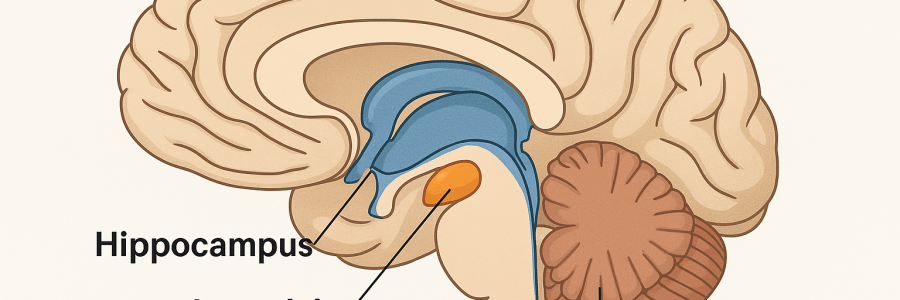
Trauma has a profound and complex impact on the brain, affecting various regions and systems. Here’s a breakdown of how trauma affects the brain scientifically: 1. The Amygdala (Fear Center) The amygdala plays a crucial role in processing emotions, particularly fear. When someone experiences trauma, the amygdala becomes hyperactive, heightening sensitivity to potential threats. This can… Read More Trauma has a profound and complex impact on the brain

The Brain

Hippocampus The hippocampus is a curved, seahorse-shaped structure located in the medial temporal lobe of the brain, within the limbic system. It plays a critical role in memory formation, learning, and spatial navigation. The hippocampus is essential for converting short-term memories into long-term ones, allowing us to retain past experiences. It also helps us recognize environments and navigate through space. Damage… Read More The Brain

Silencing and Ignoring Abuse

Many famous historical figures have struggled with hidden depression, pain, and abuse while maintaining a public image of success, strength, or happiness. Here are some well-known individuals who endured immense personal suffering behind closed doors: 1. Robin Williams (1951–2014) 2. Marilyn Monroe (1926–1962) 3. Vincent van Gogh (1853–1890) 4. Princess Diana (1961–1997) 5. Freddie Mercury… Read More Silencing and Ignoring Abuse

How Trauma Causes Epigenetic Changes

How Trauma Causes Epigenetic Changes Epigenetic modifications occur through three primary mechanisms: Scientific Evidence of Trauma-Induced Epigenetic Changes Can Epigenetic Changes Be Reversed? Yes! While trauma leaves marks on our genes, research suggests healing and lifestyle changes can help reverse some of these effects: ✅ Therapy (e.g., EMDR, CBT, and mindfulness-based therapy) – Can retrain the brain and reduce stress-related epigenetic… Read More How Trauma Causes Epigenetic Changes

Chronic exposure to trauma

Chronic exposure to trauma activates the body’s stress response systems, leading to prolonged release of stress hormones like cortisol. This persistent activation can contribute to the development of various chronic conditions:​ 2. Mental Health Implications Long-term trauma significantly impacts mental health, leading to conditions such as depression, anxiety, and post-traumatic stress disorder (PTSD). These mental health challenges… Read More Chronic exposure to trauma

How Trauma and Abuse Shorten Life Expectancy

Decades of trauma and abuse can have a significant impact on life expectancy, both physically and psychologically. Chronic stress, emotional abuse, and physical trauma don’t just affect mental health—they deeply influence the body, leading to long-term health consequences. How Trauma and Abuse Shorten Life Expectancy Can You Reverse the Damage? The good news? Yes, to some extent! Healing is… Read More How Trauma and Abuse Shorten Life Expectancy