🧠 The Neuroscience of Smiling: Voluntary vs. Involuntary Muscles

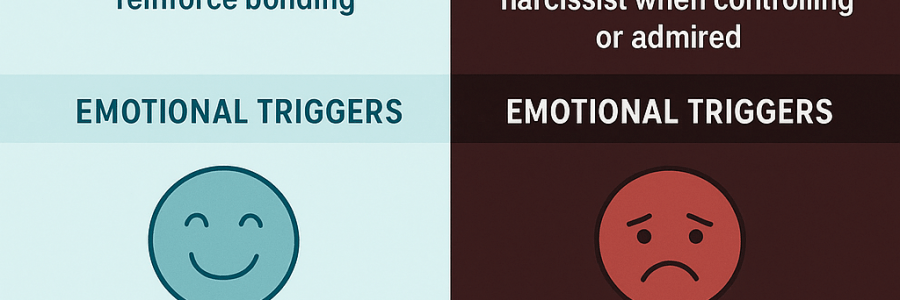
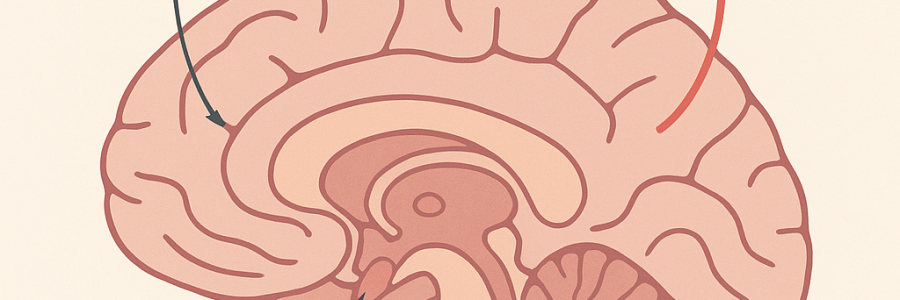
Smiles are not just facial expressions; they are deeply rooted in our brain’s emotional circuitry. According to research by Paul Ekman, there are two primary types of smiles: The key difference lies in the involvement of the eyes. A true smile involves the eyes, while a fake smile does not. This distinction is crucial because… Read More 🧠 The Neuroscience of Smiling: Voluntary vs. Involuntary Muscles

🧠 1. Lies Are Cognitively Expensive

This is one of my favorite topics because it shows just how deeply our brains are wired for truth. Here’s a breakdown of the neuroscience behind why truth-telling feels lighter and more resilient than defending a lie: 🧠 1. Lies Are Cognitively Expensive Result: Lies feel heavy, exhausting, and stressful; truth feels lighter because it doesn’t require mental… Read More 🧠 1. Lies Are Cognitively Expensive

🧠 Why People Accuse Others to Cover Their Tracks

🧠 Your Brain When You Live in Truth 🧠 Why Truth Eventually Reveals Itself 🧠 How to Stay Grounded When Falsely Accused 🧠 Bottom Line From a neuroscience and psychological perspective, living in your truth keeps your brain, body, and sense of self intact — even when others try to distort reality. It’s harder in the short term but always more… Read More 🧠 Why People Accuse Others to Cover Their Tracks

🧠 Why “Hidden Truths” Eventually Surface

There’s a deep psychological and even neurological explanation for why situations like this unfold the way they do, and why it feels both shocking and relieving when “hidden” truths start surfacing. Let’s break it down from a neuroscience + psychology lens: 🧠 Why “Hidden Truths” Eventually Surface 🧠 Why It Feels So Intense for You 🛡 Why Having External Protection… Read More 🧠 Why “Hidden Truths” Eventually Surface

Why Care, Fun, and Affection Should Come Naturally in Love

(Neuroscience & Psychology Perspective) The Core Idea In a healthy relationship, kindness, fun, and affection flow naturally. A man who truly values you will want to spend time with you, take you out, surprise you, make you laugh, and affirm your worth. If you find yourself teaching him how to care, that’s already a sign of imbalance.… Read More Why Care, Fun, and Affection Should Come Naturally in Love

🧠 Neuroscience of Recovery After Abuse & Separation

1. Brain Stress Systems (Damage Phase) 2. Brain Healing & Rewiring (Recovery Phase) 🧩 Psychology of Moving Forward Grief & Trauma Processing Coping Pathways That Work ⚖️ What “Getting On With Life” Looks Like (Brain + Psychology Integration) 💡 Key Insight:Abuse wires the brain for fear, but recovery rewires it for freedom. Divorce and separation are not the end of… Read More 🧠 Neuroscience of Recovery After Abuse & Separation

🧠 Neuroscience of the Con Artist & Catfisher

1. Trust Wiring Exploited 2. Reward & Anticipation 3. Stress Manipulation 🧩 Psychology of the Con Artist & Catfisher 1. Traits of the Manipulator 2. Psychological Tactics 3. Victim Psychology ⚖️ Why It Works Your brain is designed for connection, hope, and trust.A con artist or catfisher hijacks these natural systems: It’s not about being “naïve” — it’s about biology being weaponized.… Read More 🧠 Neuroscience of the Con Artist & Catfisher

🧠 Why deciding is so difficult

🚩 When to Decide It’s Not Right Psychology and neuroscience agree on a few key “point of no return” markers: 1. Repeated Betrayal 2. Erosion of Trust 3. Self-Identity is Compromised 4. No Genuine Effort from Them 5. Your Nervous System Knows 🧭 How to Decide Ask yourself three neuroscience-based questions: If the answers point to anxiety, repetition, and dread,… Read More 🧠 Why deciding is so difficult