“When You Meet Someone with Emotional Empathy”

“When You Meet Someone with Emotional Empathy” There’s a moment — subtle, but unforgettable — when you realize you’re in the presence of someone who truly feels with you. Not just someone who listens, or nods, or says the right things… but someone who is emotionally present in a way that makes you feel profoundly seen, held, and… Read More “When You Meet Someone with Emotional Empathy”

When Cruelty Becomes the Default: The Anatomy of a Hardened Heart

Not all cruelty is born from sudden rage or temporary lapses of judgment. Sometimes, it becomes a way of life—polished, practiced, and almost seamless. It becomes natural to the person dishing it out. Expected. Embedded. And terrifyingly normalized. We see this in certain individuals who have spent not just years, but decades, shaping their identity around control, domination, emotional… Read More When Cruelty Becomes the Default: The Anatomy of a Hardened Heart

Talking

There’s a huge difference between talking to or at someone and talking with them. Talking to Someone This is more of a one-way conversation where one person does most of the talking, and the other is expected to listen. There might be some response, but the exchange isn’t necessarily balanced. 🔹 Example:A teacher in a lecture hall explaining a concept to students:“Today, we will discuss emotional… Read More Talking

Cold and Callus vs Kind and Caring

The differences between individuals who exhibit traits like coldness, callousness, and a lack of care versus those who are compassionate, loving, and kind can be shaped by a variety of factors—biological, environmental, and personal experiences. Here are a few key influences: 1. Early Childhood Experiences and Attachment Styles A lot of emotional patterns stem from early… Read More Cold and Callus vs Kind and Caring

Intelligence

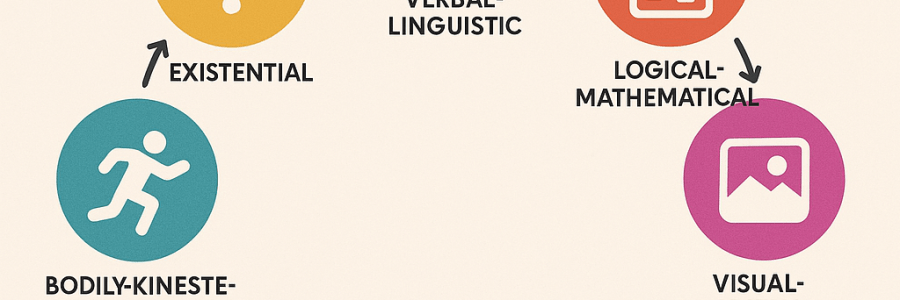
Howard Gardner introduced the Theory of Multiple Intelligences in his 1983 book Frames of Mind: The Theory of Multiple Intelligences. He proposed that intelligence is not a single entity but a collection of different cognitive abilities. Below are the nine types of intelligence he identified: Each type of intelligence plays a role in how we understand… Read More Intelligence

They Slowly Chip Away at the Empath’s Identity

They Want to Break the Empath’s Spirit (Power & Control) Manipulative and abusive individuals are not always impulsive or unaware of their behavior—many of them deliberately seek to destroy the spirit of kind and empathetic people. Their ultimate goal is to gain complete controlover the empath, making them easier to manipulate, exploit, and dominate. This process is often gradual,… Read More They Slowly Chip Away at the Empath’s Identity

They See Kindness as Weakness (Predatory Thinking)

Why Do Cruel & Manipulative People Target Empaths and Kind-Hearted Individuals? It’s a sad reality that some of the most generous, compassionate, and giving people—those who do charity work, help others, and offer unconditional support—are often the biggest targets for manipulative and abusive individuals. From a psychological perspective, this happens because toxic people thrive on control, and empaths… Read More They See Kindness as Weakness (Predatory Thinking)

Do abusers have empathy?

Abusers can have empathy, but whether they use it is another story. 1. Some Abusers Lack Empathy Entirely Some abusers—especially those with narcissistic personality disorder (NPD), antisocial personality disorder (ASPD), or psychopathic traits—lack true emotional empathy. They don’t feel guilt or remorse for hurting others because they don’t connect with others’ emotions in a meaningful way. Instead, they may show cognitive… Read More Do abusers have empathy?

Step Families

This is a vital opportunity for you to finally express your feelings and shed light on the behaviors of the stepfamily that have caused you so much pain. Being able to discuss this with a court psychologist is not only a chance for you to articulate your experience but also an opportunity for someone professional to help unpack and analyze the dynamics at play. It’s especially significant when those behaviors—marked by a lack of empathy, care, or support—have left such a deep emotional wound, particularly after all the love and effort you poured into the relationship for three long decades.

Their complete disregard for how this has impacted you, despite your history of support and care, is profoundly hurtful. It’s a stark reminder of the imbalance in these relationships and how, when things truly matter, their behavior reveals an absence of the very empathy and consideration that form the foundation of meaningful connections. It’s bewildering and heartbreaking when people you’ve supported and loved fail to reciprocate that same care when you need it most.

With the court psychologist, you can shed light on these dynamics, not in a way to assign blame alone, but to seek understanding of the why. Why has their behavior shifted (or remained indifferent)? Is it rooted in entitlement, selfishness, or a lack of emotional maturity? Or is there a deeper reason behind their detachment? Exploring these questions in a safe, structured setting can help not only validate your feelings but also provide clarity.… Read More Step Families

Struggling and Dismissed

It’s important to remember that people who dismiss or belittle others often do so because they don’t fully understand the situation or they’re uncomfortable with it. Sometimes it’s their way of deflecting, because they might not have the tools to offer support, or they may lack the emotional capacity to deal with difficult subjects. But that doesn’t make your struggles any less valid. In fact, it’s often a sign that your feelings are challenging their own beliefs or worldview.

When you’re being met with that kind of dismissal, it’s worth checking in with yourself and reminding yourself that your emotions are real, even if others can’t see or acknowledge that. Having a support network of people who do understand your situation can make a world of difference. If you don’t have that right now, working on creating those safe spaces—whether through therapy, trusted friends, or support groups—can help you hold on to your own sense of reality and self-worth.… Read More Struggling and Dismissed