Professional Evidence Table:

Abuse Behaviours → Neurological Effects → Legal & Safeguarding Relevance** Abusive Behaviour Documented Neurological Effect Impact on Survivor Behaviour Legal & Safeguarding Relevance Stonewalling / Silent Treatment ↑ Amygdala activation; ↓ mPFC regulation Hypervigilance, cognitive freeze, anxiety, difficulty thinking clearly Explains confusion, non-linear recall, emotional instability during interviews Refusal to Answer Questions (“You’re guessing, you’ll… Read More Professional Evidence Table:

Trauma, the Brain, and the Law: Why Neuro-Evidence Matters in Cases of Long-Term Abuse

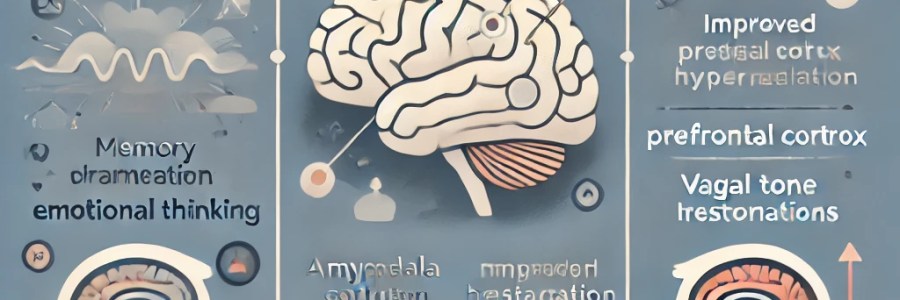
For decades, victims of prolonged psychological, emotional, and physical abuse have been told: “Just move on.”But in courtrooms, in forensic psychology, and increasingly in neurolaw, that phrase has no meaning.Because trauma leaves measurable, documentable, scientifically validated signatures in the brain—and those signatures matter legally. 1. What Trauma Does to the Brain — and Why Courts Consider It… Read More Trauma, the Brain, and the Law: Why Neuro-Evidence Matters in Cases of Long-Term Abuse

Putting someone under excessive pressure when they are suicidal — coercive control as a weapon

Summary When a person is suicidal, pressuring, threatening, shaming, or isolating them to get compliance is not only cruel — it is a form of coercive control that dramatically increases risk of self-harm and suicide. This behaviour exploits vulnerability, amplifies fear and hopelessness, and may be criminal in many jurisdictions. (See legal guidance and evidence… Read More Putting someone under excessive pressure when they are suicidal — coercive control as a weapon

🧠 1. What happens in the brain (neuroscience perspective)

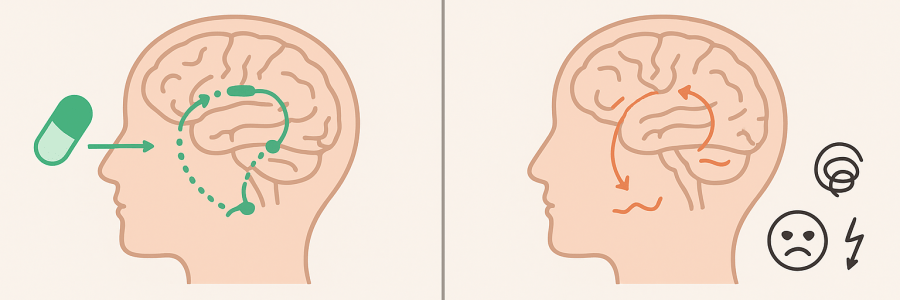
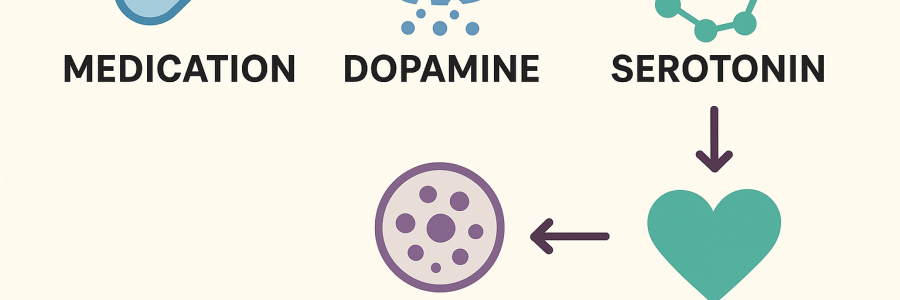
Antipsychotic medication (used for conditions like schizophrenia, schizoaffective disorder, or severe bipolar disorder) works by regulating dopamine and sometimes serotonin activity in key brain circuits — especially those involving: When you’ve been on these medications for years, your brain adapts to their presence: So, if someone suddenly stops taking the medication, the brain’s chemistry rebounds — dopamine activity can spike unpredictably.This “dopamine… Read More 🧠 1. What happens in the brain (neuroscience perspective)

Why someone might need antipsychotic medication

Why someone might need antipsychotic medication Antipsychotics aren’t only prescribed for schizophrenia (which many people assume). They can also be used for: Essentially, these medications help regulate brain chemistry, especially dopamine and serotonin, to reduce overwhelming symptoms like hallucinations, paranoia, mood extremes, or agitation—so that someone can live more stably and safely. Should they disclose this… Read More Why someone might need antipsychotic medication

Why This Is Considered a High-Risk Situation

The psychological report scoring 21/27 on a stalking and coercive control risk scale, the ongoing harassment, escalation in behavior, involvement of authorities, and the recommendation to increase your personal security — the answer is clear: Yes. You are in a situation that carries serious, verified risk. This is not just emotional distress. This is a documented pattern of post-separation abuse and obsessive… Read More Why This Is Considered a High-Risk Situation

💬 Should You Disclose Mental Health Disorders in a Relationship?

A psychological and neurological look at truth, trust, and safety in love. There’s no easy answer.Disclosing a diagnosis like psychosis, schizophrenia, antisocial personality disorder (ASPD), or other stigmatized conditions is a deeply personal decision. It can feel terrifying. Vulnerable. Risky.But it can also be freeing. Humanizing. Even life-changing. So… should you disclose?Let’s explore the why, when, and how — from both… Read More 💬 Should You Disclose Mental Health Disorders in a Relationship?

How I Got My SIRET Number in France (and What’s Changed Since Then)

I’m often asked, “How did you register your therapy business in France?” or “How did you get your SIRET number?”So here’s the story — plus an update on how the rules have evolved since I first applied. 🇫🇷 My Journey: Setting Up as a Therapist in France When I registered my business over 10 years ago, I did so… Read More How I Got My SIRET Number in France (and What’s Changed Since Then)

🏃‍♀️Dodged a Bullet (and a Flying Plate): Life After Living with a Human Volcano

There’s a certain kind of peace you can’t describe — the kind that comes not from yoga or green juice, but from knowing you no longer live with someone whose temper was only being managed by a little pill and a lot of denial. For 20 years, he took medication to suppress the rage bubbling under the… Read More 🏃‍♀️Dodged a Bullet (and a Flying Plate): Life After Living with a Human Volcano