Shortened Life Span

Long-term abuse, whether it is emotional, physical, sexual, or psychological, can have significant and often lasting effects on both the body and life span. These effects can vary depending on the type of abuse, the duration, and the individual’s coping mechanisms, but research has shown that chronic exposure to abuse contributes to several physical, emotional,… Read More Shortened Life Span

Trauma has a profound and complex impact on the brain

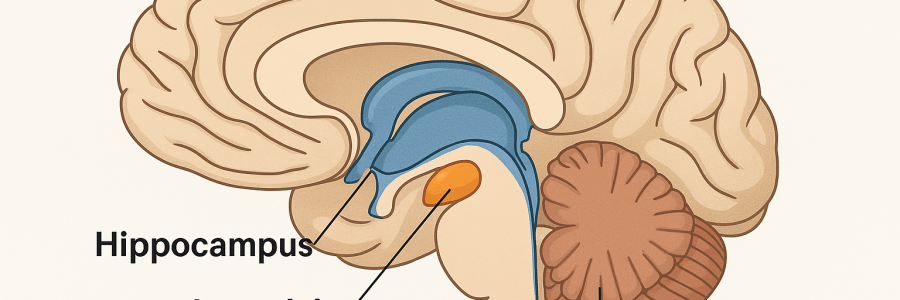
Trauma has a profound and complex impact on the brain, affecting various regions and systems. Here’s a breakdown of how trauma affects the brain scientifically: 1. The Amygdala (Fear Center) The amygdala plays a crucial role in processing emotions, particularly fear. When someone experiences trauma, the amygdala becomes hyperactive, heightening sensitivity to potential threats. This can… Read More Trauma has a profound and complex impact on the brain

The Brain

Hippocampus The hippocampus is a curved, seahorse-shaped structure located in the medial temporal lobe of the brain, within the limbic system. It plays a critical role in memory formation, learning, and spatial navigation. The hippocampus is essential for converting short-term memories into long-term ones, allowing us to retain past experiences. It also helps us recognize environments and navigate through space. Damage… Read More The Brain

Silencing and Ignoring Abuse

Many famous historical figures have struggled with hidden depression, pain, and abuse while maintaining a public image of success, strength, or happiness. Here are some well-known individuals who endured immense personal suffering behind closed doors: 1. Robin Williams (1951–2014) 2. Marilyn Monroe (1926–1962) 3. Vincent van Gogh (1853–1890) 4. Princess Diana (1961–1997) 5. Freddie Mercury… Read More Silencing and Ignoring Abuse

How Victims Can Heal Neurologically

1️⃣ How Victims Can Heal Neurologically – The science behind brain recovery from emotional and psychological abuse.2️⃣ Brain-Based Warning Signs of an Abuser – Recognizing cognitive and neurological patterns that signal manipulation or danger. 1️⃣ How Victims Can Heal Neurologically Prolonged exposure to emotional and psychological abuse can rewire the brain, leading to heightened stress, self-doubt, memory issues, and emotional… Read More How Victims Can Heal Neurologically

Paranoia and Psychosis

It sounds like you’re dealing with someone who has a history of diagnosed mental health conditions, including paranoia and psychosis, and has previously taken prescribed medication for paranoid thoughts. When someone with these conditions starts projecting blame onto others, making false accusations, and twisting narratives while denying their own actions (such as stalking or changing car hire details),… Read More Paranoia and Psychosis

Impact on Brain Structure

When discussing the impact of long-term abuse on the brain, functional and structural imaging techniques like SPECT (Single Photon Emission Computed Tomography) scans, MRI (Magnetic Resonance Imaging), and PET (Positron Emission Tomography) scans are sometimes referenced in research. These types of scans are used to observe changes in brain activity or structure over time, especially in individuals who have experienced prolonged trauma or abuse.… Read More Impact on Brain Structure