Therapy Designed for Men


Many abused men never tell anyone what they have endured. Not friends.Not family.Not therapists.Not authorities. This silence is not weakness.It is nervous-system survival. 1. Why So Many Abused Men Stay Silent From early childhood, many men are conditioned to believe: This conditioning shapes the nervous system to associate emotional exposure with danger, shame, and rejection. So when… Read More A Trauma-Informed Understanding of Why Many Men Suffer in Silence

Divorce changes a man’s nervous system. Even when the separation was necessary, the emotional impact can be profound. Loss, identity disruption, rejection, betrayal, failure, and grief all reshape how the brain approaches intimacy. From a neuroscience and psychological perspective, this shift is not weakness — it is adaptation. 1. What Divorce Does to the Male Nervous… Read More A Trauma-Informed Guide to Rebuilding Trust, Connection & Emotional Safety
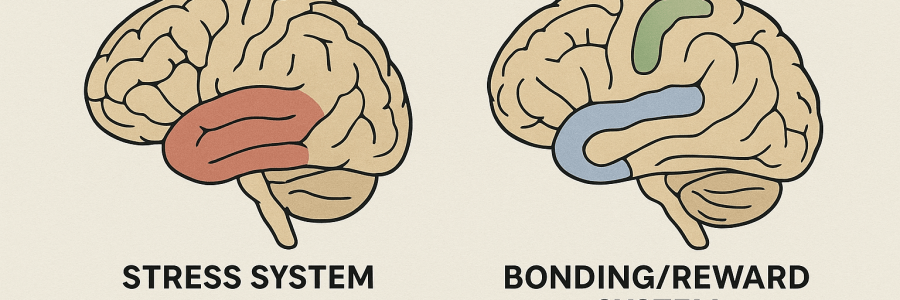
Dating in midlife is not the same as dating when you were younger. Your nervous system now carries: This means your body seeks safety before excitement — even if your mind wants connection. From a neuroscience and psychological perspective, this is not hesitation.It is emotional intelligence. 1. The Midlife Nervous System: Why Dating Feels Different Now After… Read More A Trauma-Informed Guide to Dating Again After Loss, Divorce, or Long-Term Relationships
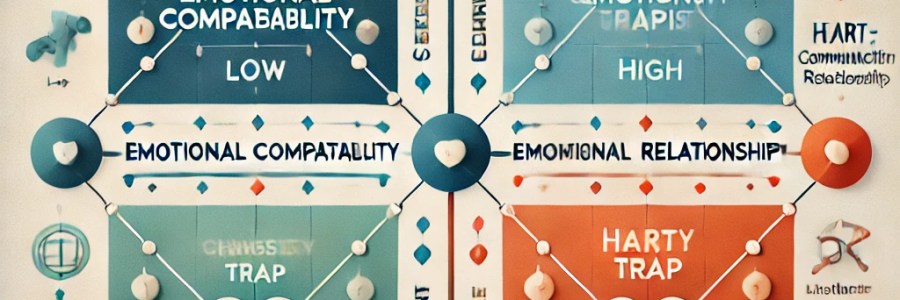
Safe intimacy is not about speed, chemistry, or intensity.It is about nervous-system safety, emotional regulation, and trust-building. From a neuroscience and psychological perspective, true intimacy only develops when the nervous system feels safe. 1. The Neuroscience of Safe Intimacy When we feel emotionally safe, the brain releases: When we feel unsafe, threatened, or uncertain, the brain releases:… Read More A Trauma-Informed Guide to Building Emotional & Physical Safety

Discovering that a partner has been paying for sex can be profoundly destabilizing. It often triggers shock, grief, rage, confusion, humiliation, betrayal, and deep emotional pain — sometimes all at once. This reaction is not dramatic.It is a normal nervous-system response to relational trauma. Why This Hurts So Deeply This kind of discovery doesn’t just break trust.It fractures… Read More A Trauma-Sensitive Explanation for Survivors
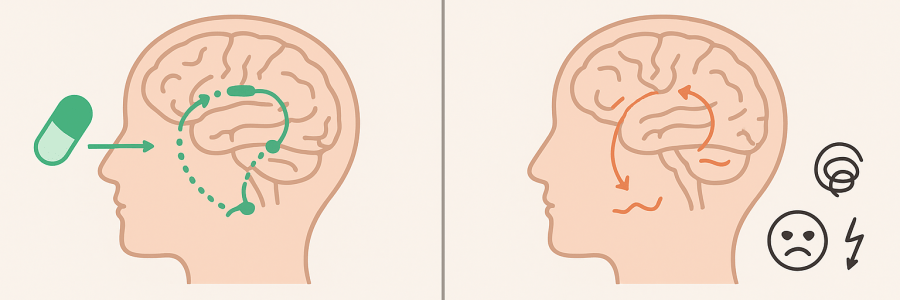
Paying for sex is not primarily about sex.From a neuroscience and psychological perspective, it is most often about power, control, emotional safety, attachment wounds, and nervous-system regulation. 1. The Neuroscience: Control Over Connection Healthy sexual intimacy activates: But true intimacy requires emotional vulnerability, which activates deeper brain regions responsible for: For many people, this vulnerability feels unsafe. So… Read More Paying for Sex — Neuroscience & Psychology


Psychology & Family System Dynamics 1. Why Some Families Actively Join in Cruelty Some families don’t just enable cruelty — they participate in it. This happens when cruelty becomes: Psychological Drivers: This is called: Collective abuse dynamics 2. Why Siblings Sometimes Become Aggressors In abusive or high-control families, siblings often compete for: Common sibling roles: ➤… Read More Why Some Families Actively Join in Cruelty

Here is a clear, compassionate, psychologically grounded explanation of why some families enable cruelty — especially in abusive dynamics. This is about understanding patterns, not excusing harm. Psychology, Family Systems & Trauma Dynamics Core Truth Families often enable cruelty not because they approve of it — but because the family system is organized around fear, denial, loyalty pressure, and emotional… Read More Why Some Families Enable Cruelty
 Linda C J Turner | Trauma Therapist & Emotional Healing Specialist