When People Start to Notice How Much Better You Look

One of the quiet milestones in healing is the moment people start to say: “You look different.”“You look lighter.”“You look rested.”“You look happy.” And you realise —They’re right. Because trauma shows on the body.And so does healing. When you live under chronic stress, emotional pressure, fear, or control, your nervous system stays locked in survival mode.… Read More When People Start to Notice How Much Better You Look

The Joy of Laughter — When You Finally Remember How Again

For a long time, I forgot how to laugh.Not the polite smile. Not the nervous chuckle.But the deep, spontaneous, uncontrollable laughter that bubbles up from safety, connection, and joy. Trauma doesn’t just wound the heart.It rewires the brain. When you live in chronic stress, criticism, fear, or emotional suppression, your nervous system stays in survival mode.The brain shifts resources… Read More The Joy of Laughter — When You Finally Remember How Again

What Women Really Want (According to Men) 😏

Women say they want “communication”Translation: Please read my mind, anticipate my emotions, and respond perfectly within 0.3 seconds. 🧠⚡ Women say they want “emotional intelligence”Translation: Go to therapy, heal your childhood, develop self-awareness… but hurry up, I’m waiting. 🛋️😅 Women say they want “consistency”Translation: Text me like you’re obsessed, but don’t be clingy, needy, or overwhelming. 📱😵‍💫 Women say they want “romance”Translation: Surprise me, plan everything,… Read More What Women Really Want (According to Men) 😏

What Men Really Want (A Totally Scientific Study) 😏

Men say they want “a low-maintenance woman”Translation: Someone who looks amazing 24/7 but pretends it took zero effort. 💅✨ Men say they want “peace”Translation: Someone who soothes their nervous system, listens to their trauma, regulates their emotions… and never gets upset herself. 🧘‍♀️😌 Men say they want “honesty”Translation: Unless it hurts their feelings, challenges their ego, or requires accountability. 🙃 Men say they want “independence”Translation: But… Read More What Men Really Want (A Totally Scientific Study) 😏

Feeling Like Me Again — Big Plans for This Year 🌟

After years of trauma, recovery isn’t just about surviving — it’s about thriving. And this year, I’m ready to live fully, joyfully, and abuse-free. Here’s what I’m looking forward to: 🧠 More study in neuroscience & neuroplasticity — because understanding the brain helps me rewrite my own story.🏡 Final move — creating a safe, empowering home.💬 Learning Spanish — expanding my world and connections.🤿 Scuba… Read More Feeling Like Me Again — Big Plans for This Year 🌟

From Trauma to Triumph: My Health Check Story 🌟

Three years ago, my health looked very different. Stress, trauma, and the aftermath of an abusive relationship left my body and mind on high alert. Fast forward to today… and the story is completely different. ✅ What changed? A mix of science, support, and self-care: 💪 Exercise: Neuroplasticity loves movement — my brain literally rewired for resilience.🧠 Psychologists: Regular… Read More From Trauma to Triumph: My Health Check Story 🌟

Self-Assessment Questions: Am I Co-Dependent?

Here’s a self-reflection guide with questions to help you assess whether you might exhibit co-dependent patterns. These are grounded in psychology and behavioral science. Answer honestly, in a non-judgmental way — this is for self-awareness, not diagnosis. Self-Assessment Questions: Am I Co-Dependent? 1. Relationship Dynamics 2. Emotional Regulation 3. Self-Identity and Self-Worth 4. Patterns in Relationships 5. Boundaries… Read More Self-Assessment Questions: Am I Co-Dependent?

Co-Dependent Individuals: Neuroscience and Psychology

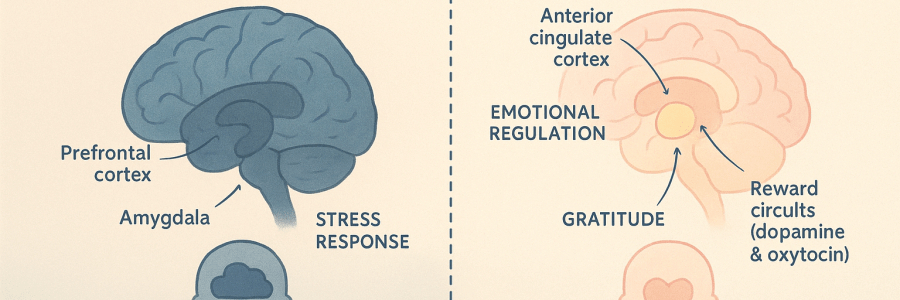
Co-dependency refers to a pattern where an individual consistently prioritizes others’ needs over their own, often to the point of emotional, psychological, or even physical detriment. It’s commonly observed in relationships with emotionally unavailable, abusive, or high-conflict partners. 1. Brain Mechanisms in Co-Dependency A. Reward System Dysregulation B. Emotional Regulation C. Attachment Circuitry D. Stress Response… Read More Co-Dependent Individuals: Neuroscience and Psychology

Social Circle Curator: Keep, Cultivate, or Remove

Category Description Neuroscience / Psychology Impact Action Keep People who consistently demonstrate kindness, respect, reliability, and emotional intelligence. Activates reward pathways (dopamine), oxytocin bonding, reduces cortisol (stress), reinforces healthy attachment circuits. Maintain regular interaction, express gratitude, and strengthen mutual support. Cultivate Individuals who are promising but inconsistent or developing in maturity, empathy, or trustworthiness. Potentially… Read More Social Circle Curator: Keep, Cultivate, or Remove

Why Healthy Relationships Matter

Surrounding yourself with healthy, supportive, and inspiring people is one of the most powerful ways to protect your emotional well-being, reinforce positive habits, and create resilience against toxic or dark-trait individuals. Here’s a breakdown of why and how to do it effectively: 1. Why Healthy Relationships Matter Neuroscience Perspective Psychology Perspective 2. Characteristics of ‘Healthy, Beautiful’ People… Read More Why Healthy Relationships Matter