Stopping psychological abuse
Intervention: In severe cases, involving authorities or law enforcement may be necessary for protection and legal recourse.… Read More Stopping psychological abuse
Intervention: In severe cases, involving authorities or law enforcement may be necessary for protection and legal recourse.… Read More Stopping psychological abuse
Perspecticide refers to the phenomenon where an individual’s perspective on reality is systematically undermined or controlled by another person or group. This term is often used in contexts of abusive relationships, cults, or authoritarian regimes where individuals are manipulated into adopting a distorted view of reality.
In abusive relationships, for example, the abuser may gradually erode the victim’s sense of self and reality. They might gaslight the victim, causing them to doubt their perceptions, memories, and even sanity. Over time, the victim’s understanding of what is true and real becomes heavily influenced by the abuser’s narrative. This process of perspecticide is a defense mechanism the mind employs to maintain a semblance of psychological stability in the face of extreme psychological pressure.… Read More Perspecticide and Percepticide
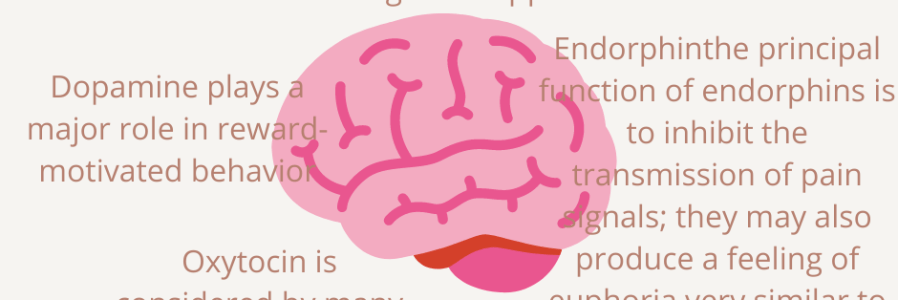
Sadism refers to deriving pleasure from causing others pain, discomfort, or distress. While not all individuals who engage in abusive behaviors are sadistic, sadism represents an extreme form of enjoyment derived from others’ suffering. Here are some insights into sadistic tendencies:… Read More Psychological Rewards and Abuse
Internalization of Abuse: Victims of abuse may internalize the abusive behaviors they experienced, seeing them as normal or justified. This normalization can lead them to replicate similar behaviors towards others.
Empowerment through Control: Some individuals who have felt powerless in their own lives may seek to regain a sense of control or power by exerting dominance over others through abusive behavior.
Lack of Empathy: Trauma and adverse experiences can sometimes erode a person’s ability to empathize with others’ pain or suffering, making it easier for them to inflict harm without feeling remorse.… Read More When the abused becomes the abuser
Isolation: Abusers often try to isolate their victims from friends, family, or support networks. They may criticize or undermine the victim’s relationships, making them feel dependent solely on the abuser for validation and companionship.
Control: This can manifest in various ways, such as controlling finances, daily activities, or even what the victim wears or does. The abuser may impose strict rules and use threats or intimidation to enforce compliance.
Verbal abuse: This includes insults, constant criticism, humiliation, or name-calling. Verbal abuse chips away at the victim’s self-esteem and sense of self-worth.… Read More Classic Signs of Psychological Abuse

The reality that many abusers have their own history of trauma and abuse is a significant aspect of understanding the cycle of abuse. However, this understanding does not excuse or justify their abusive behavior. Instead, it highlights the importance of addressing trauma and providing support and intervention at all stages of life.… Read More The Cycle of Abuse and Intergenerational Trauma
Invalidation is a critical concept in the context of psychological abuse, and understanding it is essential for recognizing and addressing the harm it causes. At its core, invalidation involves the dismissal, rejection, or ignoring of an individual’s thoughts, feelings, or experiences. This can take many forms, including verbal expressions, actions, or even non-verbal cues. Invalidation is particularly damaging because it strikes at the heart of a person’s sense of self and reality.… Read More Forms of Invalidation
Passive endorsement happens when the non-abusive parent fails to intervene or stop the abuse, often due to fear, denial, or a belief that their intervention would be ineffective.… Read More The Dynamics of Psychological Abuse
Active Participation: Joining in the abusive behavior.
Passive Endorsement: Failing to intervene or stop the abuse.
Silent Suffering: Recognizing the abuse but feeling powerless to act.… Read More Witnessing and Participating in Psychological Abuse of a Child

Intensity of the Trauma: The more severe and prolonged the psychological torture, the longer and more complex the healing process tends to be.
Nature of the Torture: Different forms of psychological torture (e.g., isolation, threats, humiliation, manipulation) can impact individuals differently, affecting the healing timeline.… Read More Severity and Duration of Trauma
 Linda C J Turner | Trauma Therapist & Emotional Healing Specialist