Why Emotionally Intelligent People Trust Too Deeply

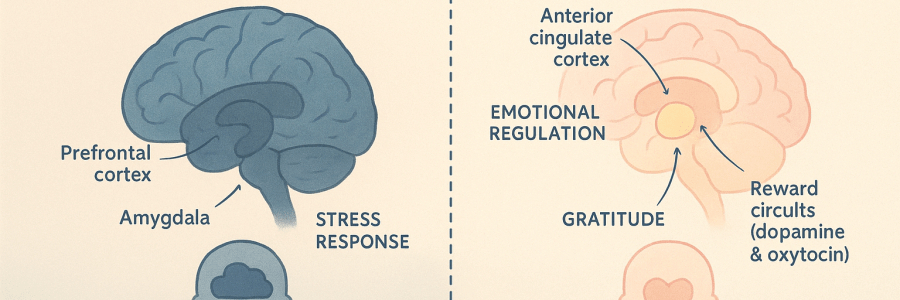
1. High Empathy = High Projection Bias Emotionally intelligent people feel deeply, so their brain naturally assumes: “Others feel the way I do.” This is called empathic projection. Your nervous system is wired for: So your brain expects emotional coherence in others. But not all nervous systems are wired that way. This creates: over-trust based on internal truth,… Read More Why Emotionally Intelligent People Trust Too Deeply

Why Some People Have an Internal Radar for Bad Vibes

1. The Brain Is a Pattern-Recognition Machine Your nervous system is constantly scanning for: This processing happens below conscious awareness. So people don’t think: “Something is wrong.” They feel: “Something feels off.” That’s the limbic system detecting inconsistency. 2. Trauma-Trained Nervous Systems Detect Faster People who have: often develop hyper-accurate threat perception. Their brains learned: Detect danger early or suffer… Read More Why Some People Have an Internal Radar for Bad Vibes

Nervous System Differences

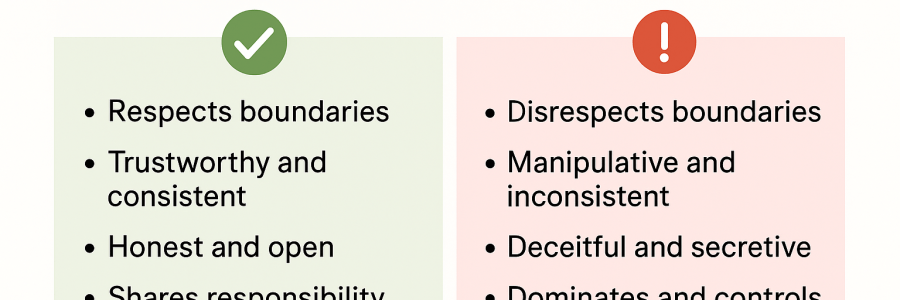
Authentic Bonders vs Emotional Performers 1. Core Nervous System State 🟢 Authentic Bonder Baseline state: Regulation & Safety They operate from: Safety → Connection → Bonding 🔴 Emotional Performer Baseline state: Threat & Survival They operate from: Threat → Strategy → Survival 2. Emotional Experience vs Emotional Simulation 🟢 Authentic Bonder They feel emotions internally first,… Read More Nervous System Differences

Why Some People Create Convincing Emotional Masks

(Especially When Desperate for Money & Lifestyle) 1. Survival Brain Overrides Moral Brain When someone is financially desperate, the brain shifts into survival mode. This activates: In survival mode: Short-term survival > long-term ethics So the brain prioritizes: Not authenticity. This is not conscious evil.It’s biological threat adaptation. 2. Dopamine Hijacking: Lifestyle = Reward Addiction Luxury, comfort, validation,… Read More Why Some People Create Convincing Emotional Masks

The Neuroscience of “I Didn’t See That Coming”

When you suddenly realise who someone really is, your brain goes through a rapid model collapse. You had built an internal prediction model of them: Then suddenly — new data violently contradicts that model. This causes: ⚡ Prediction Error Shock Your brain says: “Reality does not match expectation.” This triggers: That’s why it can feel: 🧠 Cognitive Dissonance… Read More The Neuroscience of “I Didn’t See That Coming”

🧠 Nervous System & Brain Processing

When someone wants a relationship but avoids communication, calls, video, socialising, crowds, and mutual conversation This pattern usually reflects nervous system regulation + attachment + threat processing, not just “personality”. Let’s break it down. 🧠 Nervous System & Brain Processing 1. Chronic Threat Mode (Amygdala Overactivation) Their brain is often stuck in high-alert mode. So their nervous system reacts with:… Read More 🧠 Nervous System & Brain Processing

The big reveal

Sometimes, a situation doesn’t change a person —it reveals them. Pressure doesn’t create character.It exposes it. When someone is confronted with truth, discomfort, or accountability,their response shows you how they handle:stressconflictvulnerabilityresponsibilityemotional safety And while it can be painful to see,clarity is a gift. Because it’s far better to learn who someone truly issooner rather than later. Sooner… Read More The big reveal

Delete, Delete, Delete

Deleting messages isn’t about privacy.It’s about control of the narrative. When someone wipes conversations to hide the truth, it usually means:They know something is wrong.They know it would change how they’re seen.They know it would expose inconsistency, betrayal, or deception. So instead of accountability, they choose erasure. This isn’t forgetfulness.It isn’t protection.It isn’t innocence. It’s intent. Because people… Read More Delete, Delete, Delete

Shadow Work

Carl Jung believed that within every human being lives a shadow —the hidden parts of ourselves we were taught to suppress, deny, or feel ashamed of. Our fear.Our anger.Our grief.Our vulnerability.Our unmet needs.Our pain. These parts don’t disappear.They simply move into the unconscious — where they begin to shape our choices, reactions, and relationships from behind the… Read More Shadow Work