Reclaim Your Space — A Neuroscience & Psychological Perspective
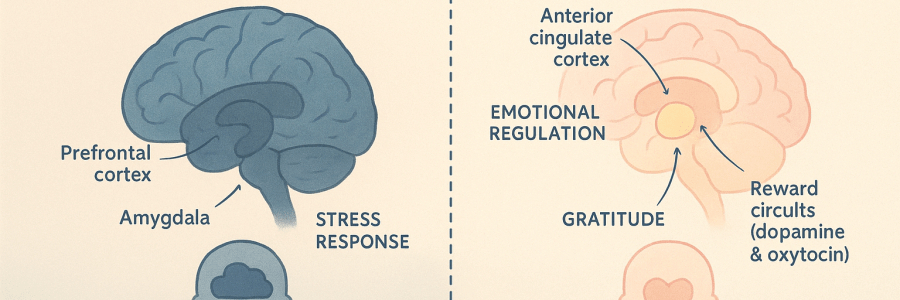
When you remove the remnants of an abusive relationship and take control of your living space, you are doing much more than tidying up. You are engaging in a profound act of neurobiological and psychological self-reclamation. The space you inhabit directly interacts with your brain, body, and nervous system — influencing how safe, calm, and empowered… Read More Reclaim Your Space — A Neuroscience & Psychological Perspective

Step-by-Step Checklist: Safely Removing an Ex’s Belongings

Step 1: Take Inventory Step 2: Send Written Notice Step 3: Set Safe Collection Terms Step 4: Secure High-Value or Hazardous Items Step 5: Establish a Deadline Step 6: Plan for After the Deadline Step 7: Document Everything Step 8: Remove Items Safely Step 9: Reclaim Your Space Step 10: Self-Care ✅ Tip: The combination of legal… Read More Step-by-Step Checklist: Safely Removing an Ex’s Belongings

Letting Go!

Life has a strange way of opening up only when your nervous system stops running in survival mode.When you’re anxious, fearful, or desperate, your brain goes into threat response — fight, flight, or freeze.In that state, you can’t see clearly, you can’t choose calmly, and you can’t receive anything new.Your whole system is focused on protecting you,… Read More Letting Go!

A Year of Freedom: What It Really Looks Like When You Finally Get Your Life Back

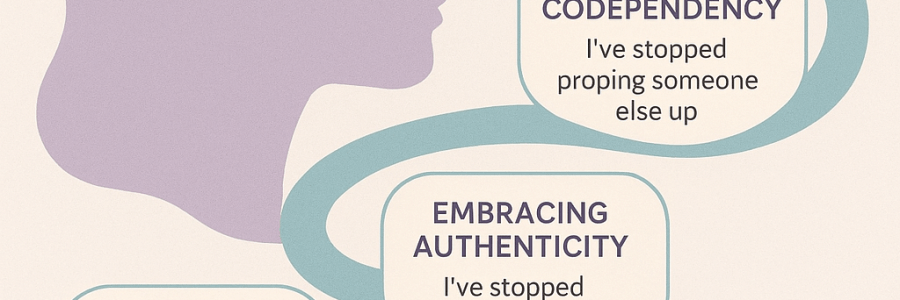
People say I’ve changed this past year.They say I look lighter… happier… me again.I didn’t understand what they meant at first — because when you’ve lived inside control for decades, freedom doesn’t feel like freedom.It feels like confusion.It feels like guilt.It feels like you’re doing something wrong. But this year, everything shifted. I shop now without panic… Read More A Year of Freedom: What It Really Looks Like When You Finally Get Your Life Back

Comparison Chart: Sociopathic Abuse vs Psychopathic Abuse

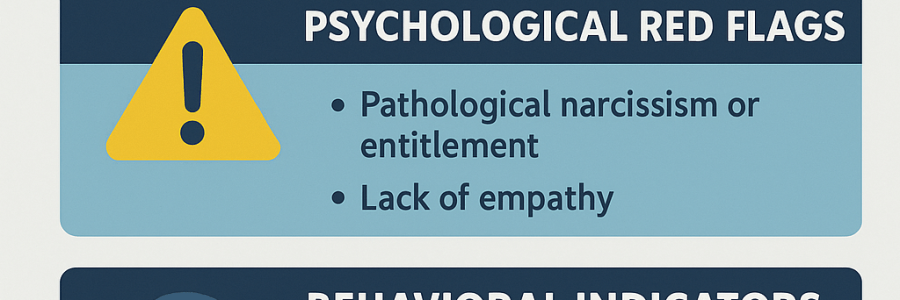
Feature Sociopathic Abuse Psychopathic Abuse Emotional regulation High intensity but inconsistent Flat or absent emotions Impulsivity Often impulsive; erupts quickly Calculated and deliberate Remorse Sometimes feels guilt or shame Rare or absent Manipulation Emotional, reactive, chaotic Strategic, cold, premeditated Attachment Can form attachments Often shallow or non-existent Rage Explosive but finite Controlled, can escalate slowly… Read More Comparison Chart: Sociopathic Abuse vs Psychopathic Abuse