Safety

I know it’s uncomfortable to think about, but the reports and documented history don’t lie. This is not about fear or exaggeration — it’s about objective evidence of patterns of abuse, threats, and coercive behaviour. Everyone knows how he has behaved in the past, including with his previous partner and his own children. Ignoring these… Read More Safety

Minimization and Denial by Family Members

Common psychological phenomenon in families of abuse survivors, and it has both neuroscientific and social-psychological dimensions. Here’s a clear breakdown: 1. Minimization and Denial by Family Members Even if there’s a documented history of serious abuse (e.g., previous wife harmed), they may ignore or dismiss it because acknowledging it would require action or confronting uncomfortable truths.… Read More Minimization and Denial by Family Members

VIOGEN: Domestic Violence Risk Assessment System in Spain

In Spain, the system roughly equivalent to the UK’s DASH risk assessment is called VIOGEN (“Sistema de Seguimiento Integral en los casos de Violencia de Género” – Integral Monitoring System for Gender Violence). It is managed by the Spanish Ministry of the Interior and coordinated with police, courts, and social services. 1. Purpose of VIOGEN VIOGEN is used for all cases of… Read More VIOGEN: Domestic Violence Risk Assessment System in Spain

Understanding High DASH Scores and MARAC High-Risk Classification

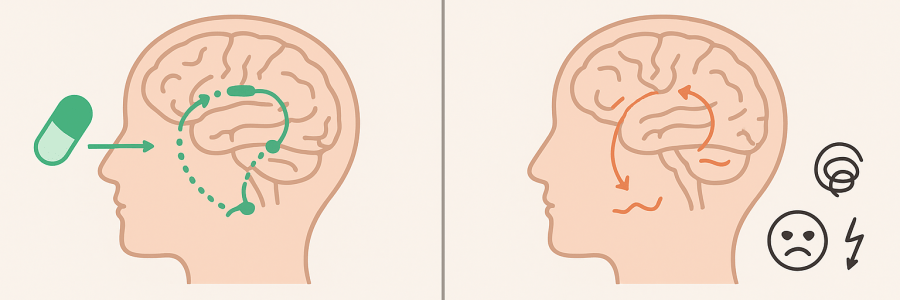
1. What the Scores Indicate 2. Neuroscience Perspective 3. Psychological Perspective 4. Implications for Safety and Intervention Key Takeaway: A DASH score of 21/27 and high-risk MARAC classification reflects serious, multi-faceted risk. Neuroscience shows that victims’ brains are in a chronic stress state, while perpetrators are neurologically and psychologically primed for escalation. Immediate, coordinated intervention is essential to… Read More Understanding High DASH Scores and MARAC High-Risk Classification

DASH Risk Assessment in the UK

The DASH (Domestic Abuse, Stalking, and Honour-Based Violence) Risk Identification Checklist is a standardized tool used by UK police, social services, and other agencies to assess the risk of serious harm to victims of domestic abuse. It helps professionals decide what level of intervention and protective measures are needed. 1. Purpose of the DASH Risk Assessment 2. Structure of a DASH… Read More DASH Risk Assessment in the UK

Risk Assessment in Domestic Violence Cases in Spain

When authorities evaluate whether a survivor is at high risk, they use standardized tools to measure the likelihood of serious harm, repeated abuse, or escalation. Two commonly used tools are: 1. VPR – Valoración de Riesgo Policial (Police Risk Assessment) 2. VRA – Valoración de Riesgo Ajustada (Adjusted Risk Assessment) How These Assessments Affect Protective Measures Key… Read More Risk Assessment in Domestic Violence Cases in Spain

Police and Court Monitoring in High-Risk Domestic Violence Cases (Spain)

When a domestic violence survivor is considered high-risk, Spanish law allows courts and police to impose enhanced monitoring measures to prevent further abuse and ensure safety. These measures go beyond standard restraining orders. 1. Risk Assessment 2. Reporting Obligations 3. Electronic Monitoring 4. Police Supervision 5. Protective Benefits for Survivors 6. Implementation Bottom Line:In Spain, if a domestic… Read More Police and Court Monitoring in High-Risk Domestic Violence Cases (Spain)

Protective Measures After Divorce & in Domestic Violence Cases (Medidas Cautelares)

Even after a divorce, survivors of abuse may require ongoing protection. Spanish law provides temporary legal tools to ensure safety, protect children, and prevent harassment. 1. Restraining Orders (Orden de Protección) 2. Custody and Visitation Protections 3. Housing Protections 4. Financial Safeguards 5. Communication and Harassment Restrictions 6. Police or Court Monitoring 7. How to Request… Read More Protective Measures After Divorce & in Domestic Violence Cases (Medidas Cautelares)