
4
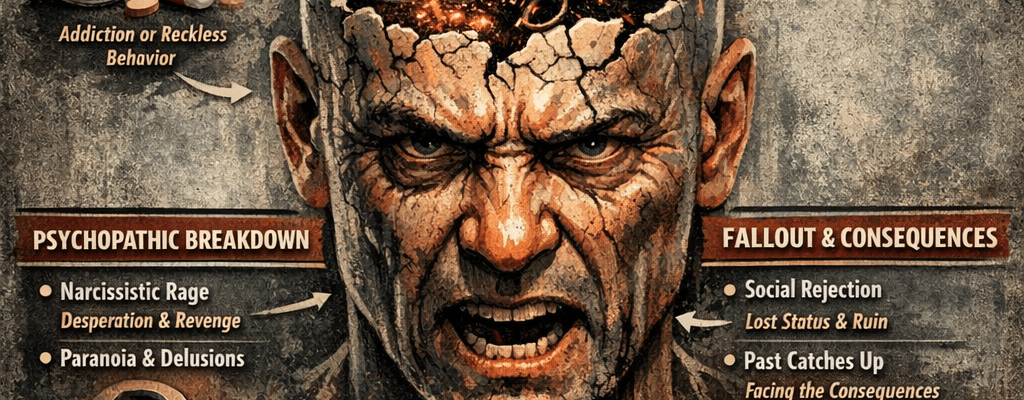
One of the most common triggers for revenge-driven behavior is loss of control. This is especially true for individuals with strong narcissistic traits.
In relationships, workplaces, and families, narcissistic personalities often rely on control, admiration, and influence to maintain their sense of identity.
When that control disappears, the psychological reaction can be intense.
1. The Narcissistic Ego Is Fragile
Although narcissistic personalities often appear confident, their self-esteem is usually extremely fragile.
Criticism, rejection, or loss of status can feel like a profound psychological injury.
2. Loss of Control Feels Like Humiliation
If someone leaves the relationship, sets boundaries, or exposes manipulative behavior, the narcissistic individual may experience what psychologists call narcissistic injury.
This injury often triggers anger and humiliation.
3. Narcissistic Rage
When the ego feels threatened, the response may escalate into narcissistic rage.
This can involve:
- Blame shifting
- Smear campaigns
- Legal intimidation
- Attempts to regain control of the situation
The goal is often to restore the damaged sense of power.
4. Revenge as Ego Repair
For some narcissistic personalities, revenge becomes a way to rebuild their wounded self-image.
If they can hurt, discredit, or dominate the other person, they feel their sense of superiority has been restored.
5. Why It Rarely Brings Closure
Despite their efforts, revenge rarely resolves the deeper insecurity underneath.
Instead, it often creates ongoing conflict and emotional chaos that further destabilizes the individual.
Final Psychological Insight
People who are emotionally secure do not need revenge to maintain their identity.
But individuals with fragile egos and deep insecurity may rely on revenge as a temporary psychological crutch.
Understanding this dynamic can help others avoid being pulled into cycles of manipulation and retaliation.
 Linda C J Turner | Trauma Therapist & Emotional Healing Specialist