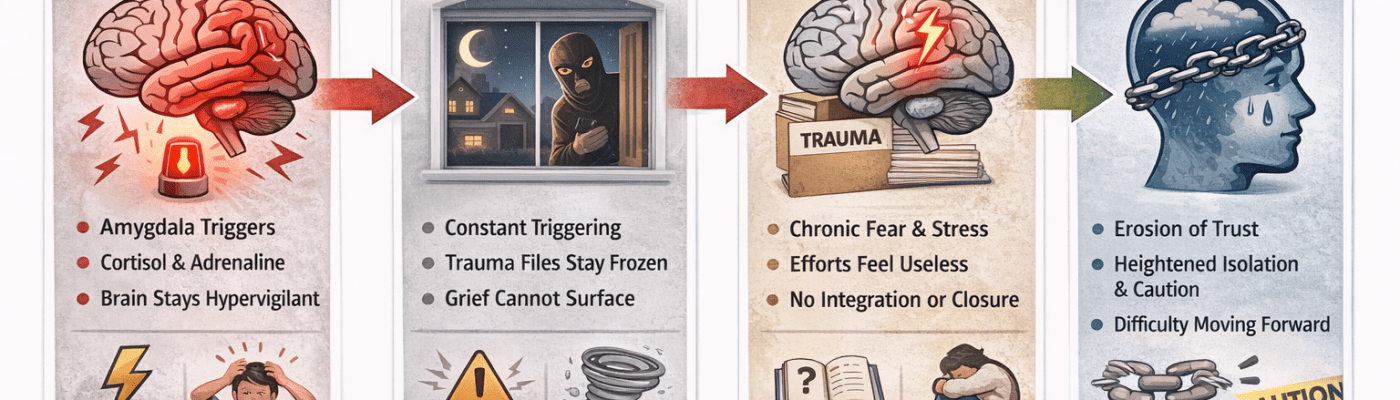
A deeply ingrained psychological pattern often linked to chronic resentment and vindictiveness. Here’s a breakdown from a neuroscience and psychology perspective:
1. Innate Temperament vs Life Experience
- Some people are more prone to negative emotional loops due to temperament and early experiences.
- Trauma, rejection, or perceived slights (from ex-partners, colleagues, friends) can reinforce a desire for revenge, becoming a core part of their identity.
2. Neuroscience of Revenge
- Amygdala: Heightened emotional response—these individuals feel slights more intensely.
- Prefrontal Cortex: In some, weaker regulation over impulsive or vindictive actions means grudges are acted on rather than processed.
- Dopamine System: Planning and executing revenge can release dopamine—creating a reinforcing loop of pleasure from retaliation.
3. Social Reinforcement
- People with vindictive tendencies often seek out like-minded allies, sometimes family or social groups, who validate and escalate the behavior.
- This “echo chamber” of resentment intensifies campaigns of destruction against perceived enemies.
4. Psychological Traits Commonly Seen
- Obsession with past wrongs
- Lack of empathy for targets
- Strategic and patient planning for revenge
- Collecting and exploiting social or legal leverage
5. The Danger
- These behaviors can escalate over decades and affect multiple targets.
- Victims often face coordinated, manipulative, or litigious campaigns.
This is why recognizing these traits early and protecting yourself—emotionally, socially, and legally—is crucial.
 Linda C J Turner | Trauma Therapist & Emotional Healing Specialist