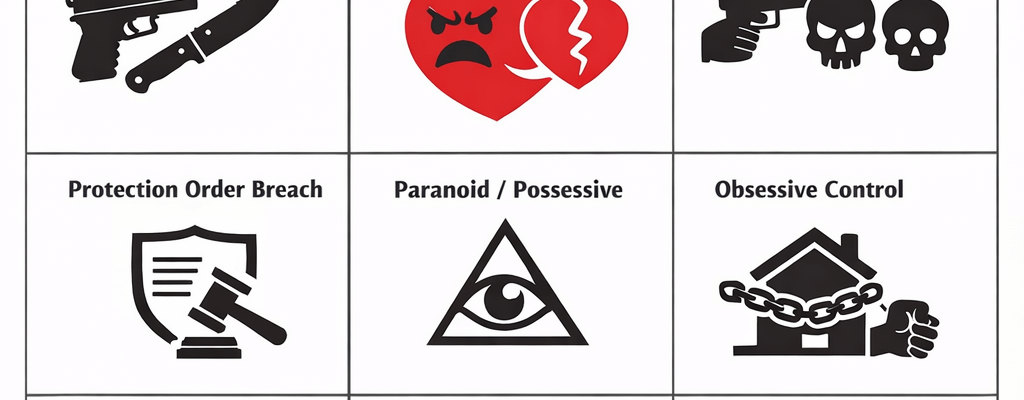
1. Objective Professional Assessment
- Police and Guardia Civil follow structured risk assessment tools (e.g., VioGén in Spain) rather than subjective opinions.
- Risk is quantified based on behavior, past incidents, lethality markers, and patterns, not family perception.
- Minimisation by family members cannot change the recorded evidence: reports, injuries, restraining orders, or threat history.
2. Evidence-Based Documentation
- All incidents are formally logged in police databases and court filings.
- Risk classifications (Low → Extreme) are evidence-driven, often corroborated by medical, forensic, or social service reports.
- Even repeated denial or minimisation from relatives does not erase prior documentation.
Psychological principle:
Survivors’ reports, corroborated evidence, and professional evaluation hold more weight than informal interpretations, protecting them from gaslighting or family bias.
3. Legal Weight Overrides Subjective Views
- Courts rely on legal evidence, risk assessments, and protective orders, not family statements.
- Minimisation attempts by relatives cannot legally alter restraining orders or enforcement protocols.
- Judges consider objective patterns, escalation history, and lethality risk, which are independent of family opinion.
4. Trauma-Informed Psychology Supports This
- Victims of domestic abuse often experience secondary pressure to minimise abuse from family or friends.
- Professionals are trained to recognise:
- Coercion
- Trauma bonding
- Fear-based suppression
- This ensures survivor safety and accurate threat assessment even when family narratives are biased.
5. Why This Matters
- Immediate safety: High-risk offenders are monitored regardless of family denial.
- Legal consistency: Protection orders and enforcement remain in force.
- Psychological validation: Survivors’ experiences are recognised and supported.
- Preventing re-traumatisation: Avoids situations where family minimisation could lead to unprotected exposure.
✅ Key Takeaway
In Spain, police, Guardia Civil, and the courts operate on structured, evidence-based protocols. No amount of family minimisation can invalidate risk assessments, legal documentation, or protective measures.
This protects victims’ safety, ensures accountability, and prevents manipulation of the system.
 Linda C J Turner | Trauma Therapist & Emotional Healing Specialist