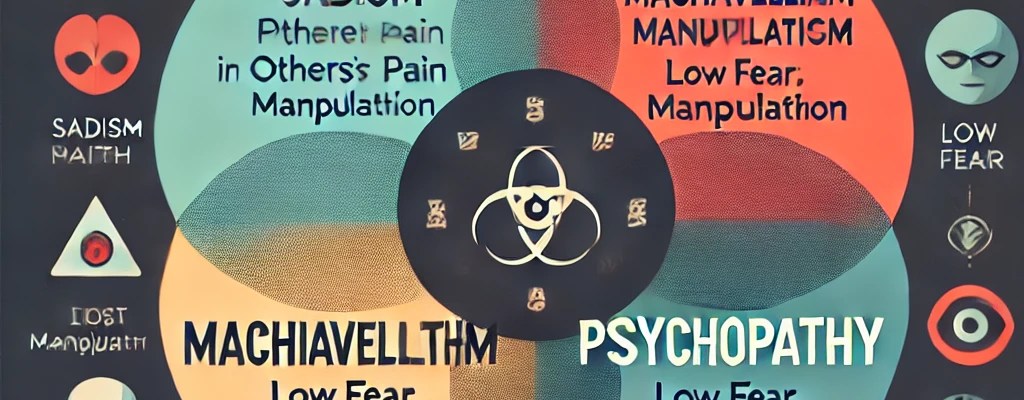
Antisocial, greedy, abusive, violent, mean, negative, controlling behaviors—are often signs of deeper psychological and neurological patterns, not just “bad behavior.” Let’s break it down clearly:
1️⃣ Possible Personality Patterns
- Antisocial Personality Traits / Disorder (ASPD):
- Disregard for others’ rights, manipulative, aggressive, sometimes criminal behavior.
- Often linked to impulsivity, lack of empathy, and disregard for rules.
- Narcissistic Traits / Disorder (NPD):
- Extreme self-centeredness, controlling behavior, seeking power or attention.
- Can appear charming superficially but abusive in relationships.
- Dark Triad / Dark Tetrad Traits:
- Machiavellianism: Manipulative, strategic exploitation.
- Narcissism: Selfish, entitled.
- Psychopathy: Lack of empathy, shallow emotions, antisocial behavior.
- Sadism (optional in Tetrad): Pleasure in others’ suffering.
2️⃣ Neurological & Brain Factors
- Amygdala: Overactive → aggression, irritability, violent outbursts.
- Prefrontal Cortex: Underactive → poor impulse control, difficulty regulating anger, planning.
- Anterior Cingulate Cortex & Mirror Neurons: Underactive → lack of empathy, difficulty understanding others’ feelings.
- Reward System (Nucleus Accumbens / Ventral Striatum): Overactive → drives selfishness, greed, thrill-seeking, and risk-taking.
3️⃣ Environmental & Developmental Factors
- Early trauma, abuse, or neglect → learned survival behaviors like aggression, control, and exploitation.
- Modeling: Growing up around abusive or manipulative role models teaches that this is “normal” behavior.
- Stress & epigenetics: Chronic stress can reinforce these neural patterns, making aggression and selfishness habitual.
4️⃣ Key Takeaways
- These behaviors are not just “bad people” or “lazy people.” They reflect a complex mix of brain wiring, learned behavior, personality traits, and life experience.
- Not all people with some antisocial tendencies have a disorder; clinical diagnosis requires persistent patterns that impair life and relationships.
- They signal emotional dysregulation, low empathy, and maladaptive coping strategies, which can be addressed through therapy—but only if the person is willing.
 Linda C J Turner | Trauma Therapist & Emotional Healing Specialist