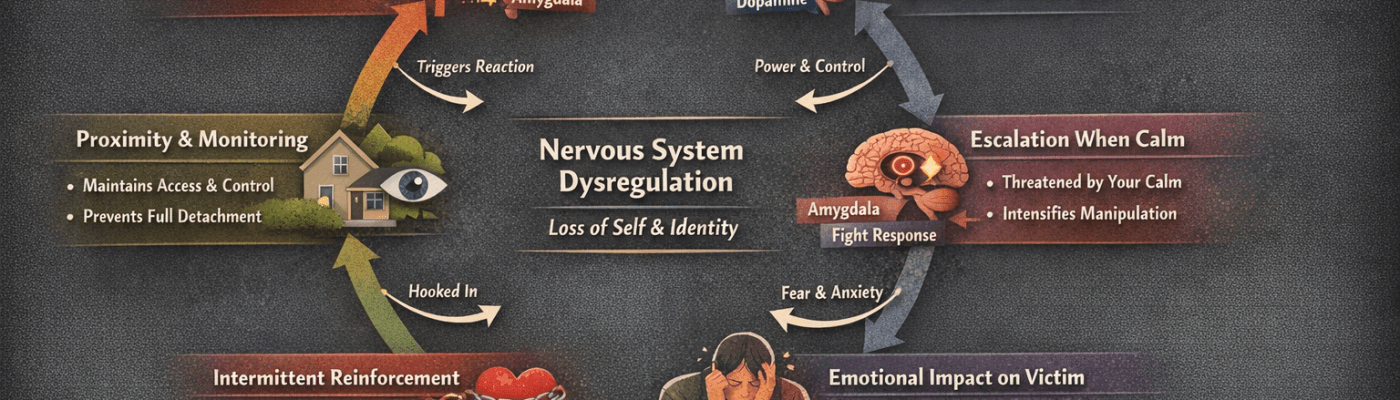
Overt abuse is visible.
Emotional neglect is invisible — and that is what makes it so damaging.
When abuse happens, the nervous system knows something is wrong. Pain is acknowledged. Boundaries become necessary. Survival instincts activate.
But emotional neglect is different.
It teaches a person that their feelings do not matter, their needs are inconvenient, and their existence requires no response.
There is no clear injury — only a quiet erosion of self.
Over time, emotional neglect creates:
- Chronic self-doubt
- Low self-worth
- Difficulty trusting others
- Fear of emotional expression
- A deep belief of being “too much” or “not enough”
The brain learns:
Connection is unsafe. Needs are dangerous. Silence is survival.
This leads many people to become:
- Hyper-independent
- Emotionally numb
- People-pleasers
- Over-givers
- Chronically anxious in relationships
Not because they are weak — but because their nervous system adapted to emotional absence.
Unlike overt abuse, emotional neglect:
- Leaves no visible scars
- Is rarely acknowledged
- Is often minimized
- Is difficult to explain
- Is frequently invalidated
Which means survivors grow up thinking:
“Nothing bad happened to me — so why do I feel broken?”
But the damage is real.
Because humans do not only need safety from harm —
they need connection, validation, warmth, and emotional presence to develop a healthy identity.
When those are missing, the self slowly disappears.
Neglect doesn’t scream.
It whispers.
And its echoes last a lifetime.
 Linda C J Turner | Trauma Therapist & Emotional Healing Specialist