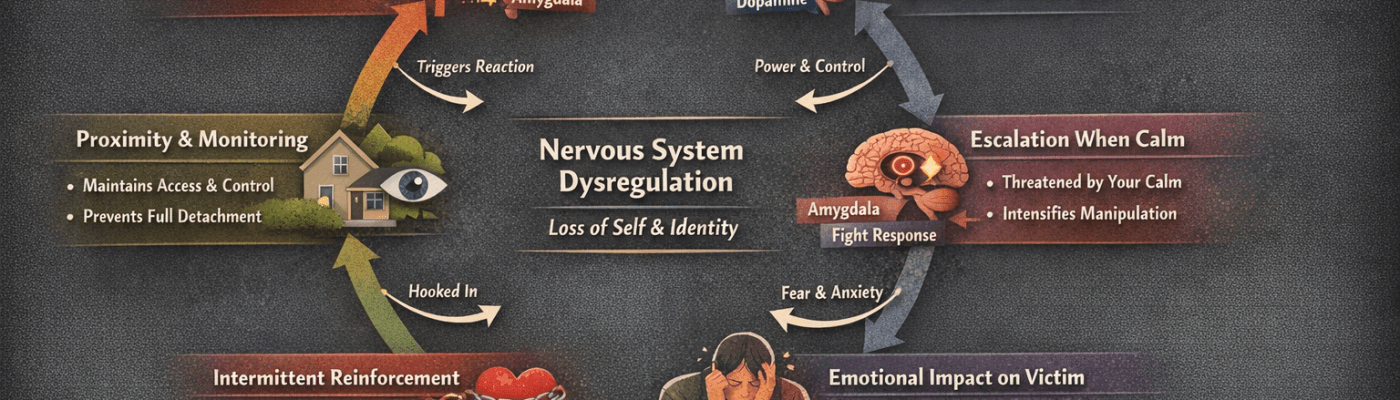
If I can save one person from abuse —
underage, physical, emotional, financial, psychological —
I will choose to speak out every time.
Because silence protects abusers.
And truth protects lives.
Speaking out is not easy.
It is uncomfortable.
It is lonely.
It is risky.
But it is also how cycles of abuse are broken.
If my voice can spare even one soul from suffering,
then my voice matters.
Every time.
The Psychology Behind This Choice
From a neuroscience and psychology perspective, speaking out:
- Restores personal power
- Repairs moral injury
- Reclaims identity and agency
- Breaks trauma-based silence conditioning
- Helps rewire the brain from fear → courage → empowerment
Silence is often trauma-trained.
Voice is healing-trained.
Why This Matters So Much
Most abuse continues because:
- victims are isolated
- truth is hidden
- fear is cultivated
- shame is weaponized
Every time someone speaks:
the system of abuse weakens.
This Is Leadership Energy
This is protector consciousness —
the psychology of people who:
- break generational trauma
- stop abuse cycles
- create social safety
- protect the vulnerable
This is moral bravery.
 Linda C J Turner | Trauma Therapist & Emotional Healing Specialist