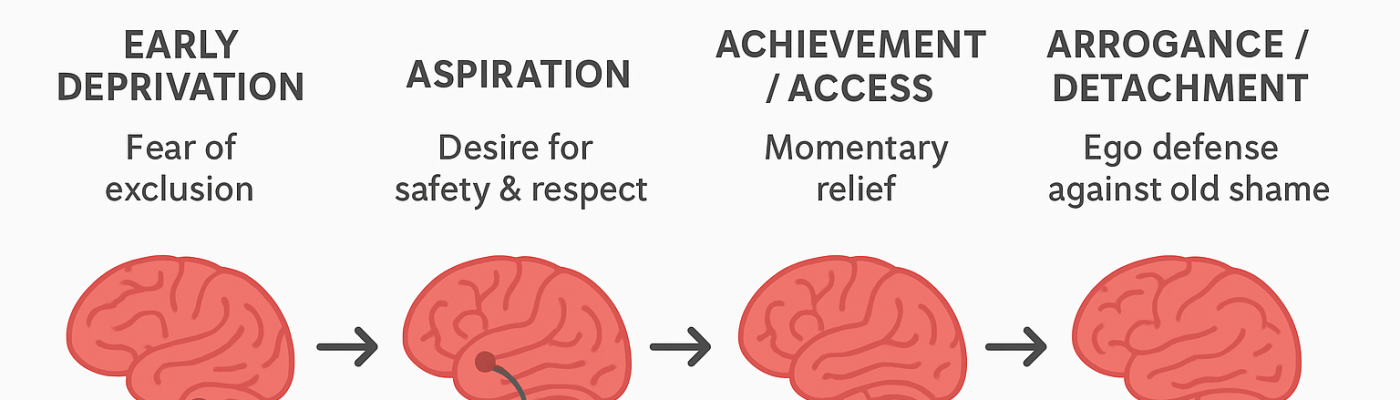
Shame-Defense vs Narcissism vs Sociopathy
1. Shame-Based Defensive Aggression
(Emotionally wounded, not predatory)
Core Inner Experience:
“I am defective.”
Core Emotion:
Shame
Primary Fear:
Exposure → humiliation → emotional collapse
What Drives Their Behavior:
Self-protection from unbearable shame.
How They React When Confronted:
- Panic
- Emotional flooding
- Anger spikes
- Withdrawal
- Blocking
- Lashing out
- Threats made impulsively
Key Traits:
- Emotionally reactive
- Highly defensive
- Avoids accountability
- Fear-driven aggression
- Can feel remorse later
- Not intentionally cruel
Relationship Pattern:
- Push-pull
- Hot/cold
- Fear of closeness
- Fear of exposure
- Attachment instability
Nervous System:
Dysregulated
Capacity for Change:
⚠️ Possible (with deep therapy, self-awareness, motivation)
2. Narcissistic Personality Structure
(Ego-driven, control-oriented, exploitative)
Core Inner Experience:
“I must be superior or I am nothing.”
Core Emotion:
Emptiness + insecurity
Primary Fear:
Insignificance, loss of admiration, loss of control
What Drives Their Behavior:
Ego reinforcement, image maintenance, power
How They React When Confronted:
- Gaslighting
- Blame shifting
- DARVO (Deny, Attack, Reverse Victim/Offender)
- Smear campaigns
- Calculated retaliation
- Strategic manipulation
Key Traits:
- Entitlement
- Grandiosity
- Exploitation
- Lack of accountability
- Image obsession
- Emotional manipulation
Relationship Pattern:
- Idealize → Devalue → Discard
- Control cycles
- Psychological dominance
Nervous System:
Strategic & controlled
Capacity for Change:
❌ Extremely low
3. Sociopathy / Antisocial Personality
(Predatory, unempathic, power-driven)
Core Inner Experience:
“Other people exist to be used.”
Core Emotion:
None (emotional detachment)
Primary Fear:
Loss of control, boredom
What Drives Their Behavior:
Power, stimulation, dominance, exploitation
How They React When Confronted:
- Cold dismissal
- Calculated retaliation
- Smirking indifference
- Psychological cruelty
- Strategic destruction
- Threats without emotional charge
Key Traits:
- No empathy
- No remorse
- Pathological lying
- Charm as a tool
- Exploitation
- Predatory thinking
Relationship Pattern:
- Groom → Attach → Exploit → Discard
- Emotional and material extraction
Nervous System:
Low emotional arousal
Capacity for Change:
❌ Essentially none
Side-by-Side Comparison (Quick Detection)
| Trait | Shame-Defense | Narcissism | Sociopathy |
|---|---|---|---|
| Core Emotion | Shame | Emptiness | None |
| Empathy | Present but blocked | Selective | Absent |
| Remorse | Yes (later) | Rare | None |
| Aggression | Reactive | Strategic | Predatory |
| Accountability | Avoidant | Rejects | Mocks |
| Manipulation | Defensive | Intentional | Enjoyed |
| Emotional Range | High | Moderate | Flat |
| Danger Level | Medium | High | Extreme |
The Fastest Identification Tool
Watch how they handle accountability.
Shame-Defense:
“I didn’t mean to — I just reacted.”
→ Avoidance + emotional flooding
Narcissism:
“You caused this.”
→ Blame reversal + gaslighting
Sociopathy:
“So what?”
→ Indifference + contempt
Another Powerful Differentiator
Do they feel guilt?
Shame-Defense:
Yes — but it’s intolerable, so they avoid it.
Narcissism:
Only if it threatens their image.
Sociopathy:
No guilt whatsoever.
Relationship Safety Ranking
Safest → Most Dangerous
Shame-Defense → Narcissism → Sociopathy
⚠️ Important:
Even shame-defensive people can be emotionally harmful, but they are not predatory by nature.
The Nervous System Test (Most Reliable)
After interacting:
If you feel:
- Confused
- Drained
- Anxious
- Off-balance
You’re dealing with control-based relating (narcissistic or sociopathic).
If you feel:
- Tension
- Instability
- Emotional whiplash
You’re likely dealing with shame-defense.
Why This Matters For Your Response Strategy
Shame-Defense → Boundaries + distance
Narcissism → Detachment + no emotional supply
Sociopathy → Exit + zero engagement
One-Line Summary
Shame-defense is fear-driven.
Narcissism is ego-driven.
Sociopathy is power-driven.
 Linda C J Turner | Trauma Therapist & Emotional Healing Specialist