1. Keep it Simple
You don’t need to explain or justify your feelings.
- “I experienced this, and it was serious for me.”
- “My safety and feelings are real.”
- “I need support, not doubt.”
2. Set Boundaries
If someone starts downplaying the abuse:
- “I don’t need your opinion right now.”
- “It’s not helpful to minimise my experience.”
- “I’m focusing on what keeps me safe.”
3. Stick to Facts
Minimisers often try to inject doubt. Ground your words in what happened, not speculation:
- “He strangled me.”
- “I lost consciousness.”
- “Medical professionals confirmed I was at risk.”
4. Avoid Arguments
People who minimise rarely change their view. Protect your energy:
- Use neutral statements: “I understand you see it differently. For me, it was life-threatening.”
- Redirect focus to your needs: “I need help staying safe.”
5. Lean on Allies
If possible, share your experience with:
- Trained professionals (therapist, doctor, domestic violence advocate)
- Friends or family who validate, not challenge, your reality
- Support groups for survivors of abuse
6. Use Self-Validation
Remind yourself:
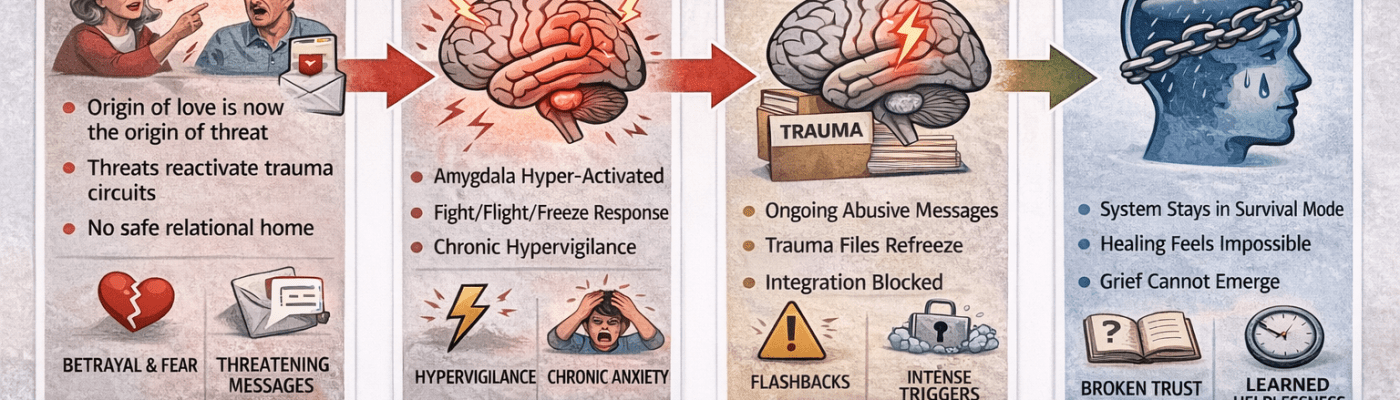
- Your reaction is normal — trauma rewires the brain to respond strongly to danger.
- You are not overreacting or exaggerating.
- Taking your experience seriously is protective, not dramatic.
🔹 Example Phrases
- “I appreciate your concern, but I know what happened to me, and it was dangerous.”
- “It’s important that I focus on my safety and recovery right now.”
- “I am not looking for debate, just support.”
- “Minimising this doesn’t help — I need to take this seriously.”
 Linda C J Turner | Trauma Therapist & Emotional Healing Specialist