To an outside observer, it can look baffling:
Someone repeatedly argues over trivial things, sabotages reasonable solutions, and chooses prolonged legal or financial pain over simple, fair resolution. Even when evidence, logic, and opportunity for peace are right in front of them, they escalate instead of resolve.
Neuroscience helps explain why.
1. Conflict Can Activate the Brain’s Reward System
For some individuals, conflict triggers dopamine, the same neurotransmitter involved in addiction, gambling, and risk-seeking behavior.
When a person:
- Provokes an argument
- “Wins” a confrontation
- Forces control or compliance
- Creates chaos that demands attention
…the brain may release dopamine, reinforcing the behavior.
Over time, the brain learns:
“Fighting = stimulation, power, relief.”
Peace, compromise, or cooperation, by contrast, can feel flat, boring, or even threatening.
2. A Dysregulated Amygdala Keeps the Brain in “Threat Mode”
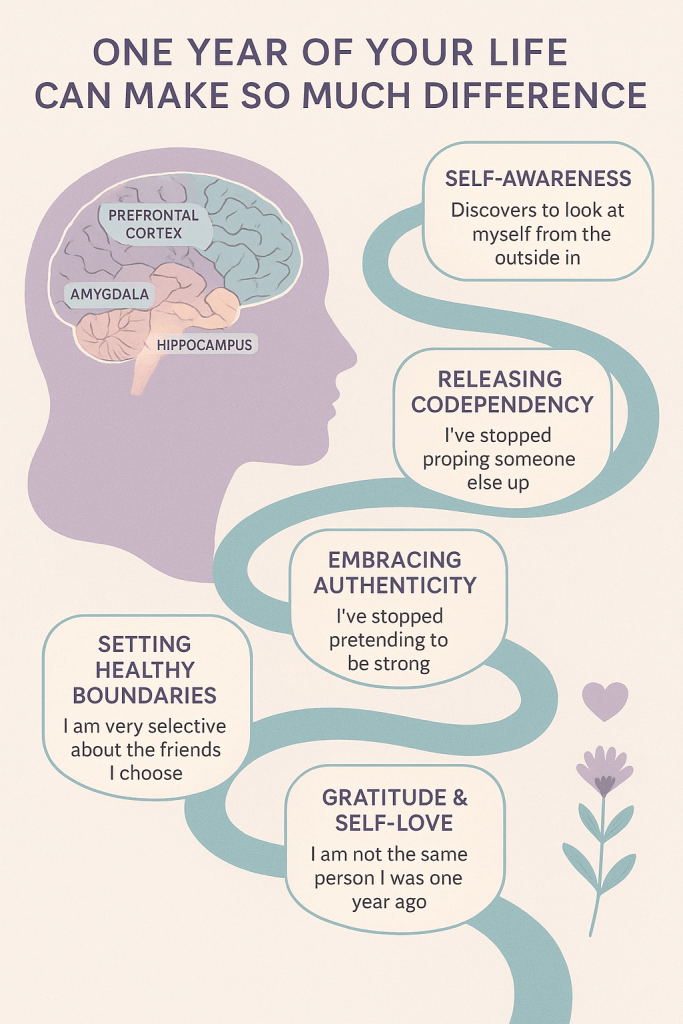
The amygdala is the brain’s alarm system. In people with chronic anger, entitlement, or unresolved trauma, the amygdala can become hyper-reactive.
This means:
- Neutral situations are perceived as attacks
- Fair outcomes feel like losses
- Compromise feels like humiliation
Once activated, the amygdala overrides the prefrontal cortex—the part of the brain responsible for logic, planning, and long-term thinking.
That’s why someone can:
- Destroy their own assets
- Sabotage favorable deals
- Prolong court battles they are objectively losing
…and still feel emotionally justified.
3. Control Is Often Mistaken for Safety
From a neurological standpoint, control reduces anxiety—temporarily.
For individuals who fear loss of dominance, identity, or entitlement:
- Letting go feels like danger
- Equality feels like defeat
- Resolution feels like abandonment
Dragging out disputes, forcing sales, or re-litigating settled issues creates the illusion of control, even as real-world consequences mount.
The brain chooses short-term emotional relief over long-term rational outcomes.
4. Some Brains Are Wired for Adversarial Identity
Years of repeated conflict can actually shape identity at a neural level.
When someone has:
- Always lived in opposition
- Defined themselves through fighting
- Used conflict to feel alive or relevant
…the brain forms strong neural pathways linking self-worth to struggle.
Without a fight, they don’t know who they are.
So they manufacture one.
5. Why Reason, Fairness, and Evidence Don’t Work
This is the hardest truth:
You cannot reason someone out of a behavior that is neurologically rewarding to them.
Facts don’t calm an activated amygdala.
Fairness doesn’t matter to a dopamine-driven brain.
Losses don’t register when the emotional payoff is still there.
What looks like “stupidity” from the outside is often neural conditioning combined with emotional immaturity.
6. The Cost Is Always Higher Than the Fight Is Worth
Ironically, the brain that seeks conflict is also blind to cumulative damage:
- Financial loss
- Reputation erosion
- Legal consequences
- Social isolation
By the time insight arrives—if it ever does—the cost is irreversible.
Final Thought
Some people don’t want resolution.
They want stimulation.
They want dominance.
They want the emotional high of being “at war.”
Walking away from the fight isn’t weakness—it’s neurological clarity.
Peace requires a regulated nervous system.
Not everyone has one.
 Linda C J Turner | Trauma Therapist & Emotional Healing Specialist