1. Abuse is not a relationship problem — it’s a control problem
Couples therapy is built on the assumption that:
- Both people contribute to the problem
- Both need to change
- Conflict is mutual
In abuse, this is false.
Abuse is unilateral:
- One person uses fear, control, or coercion
- The other adapts to survive
Treating abuse as “mutual conflict” neurologically validates the abuser’s belief system:
“We’re both responsible.”
That belief fuels abuse.
2. It gives the abuser better tools
Abusers are often:
- Highly attuned to others’ emotions
- Skilled at impression management
- Motivated to maintain control
Couples therapy teaches:
- Emotional language
- Vulnerability scripts
- Conflict vocabulary
An abusive brain can weaponise this:
- “You’re triggering my trauma”
- “The therapist said we both escalate”
- “I’m expressing my feelings like we learned”
This isn’t growth — it’s refined manipulation.
3. The presence of the victim suppresses truth
Neurologically, victims in the room:
- Remain in threat mode
- Self-censor to avoid retaliation
- Minimise harm to keep the peace
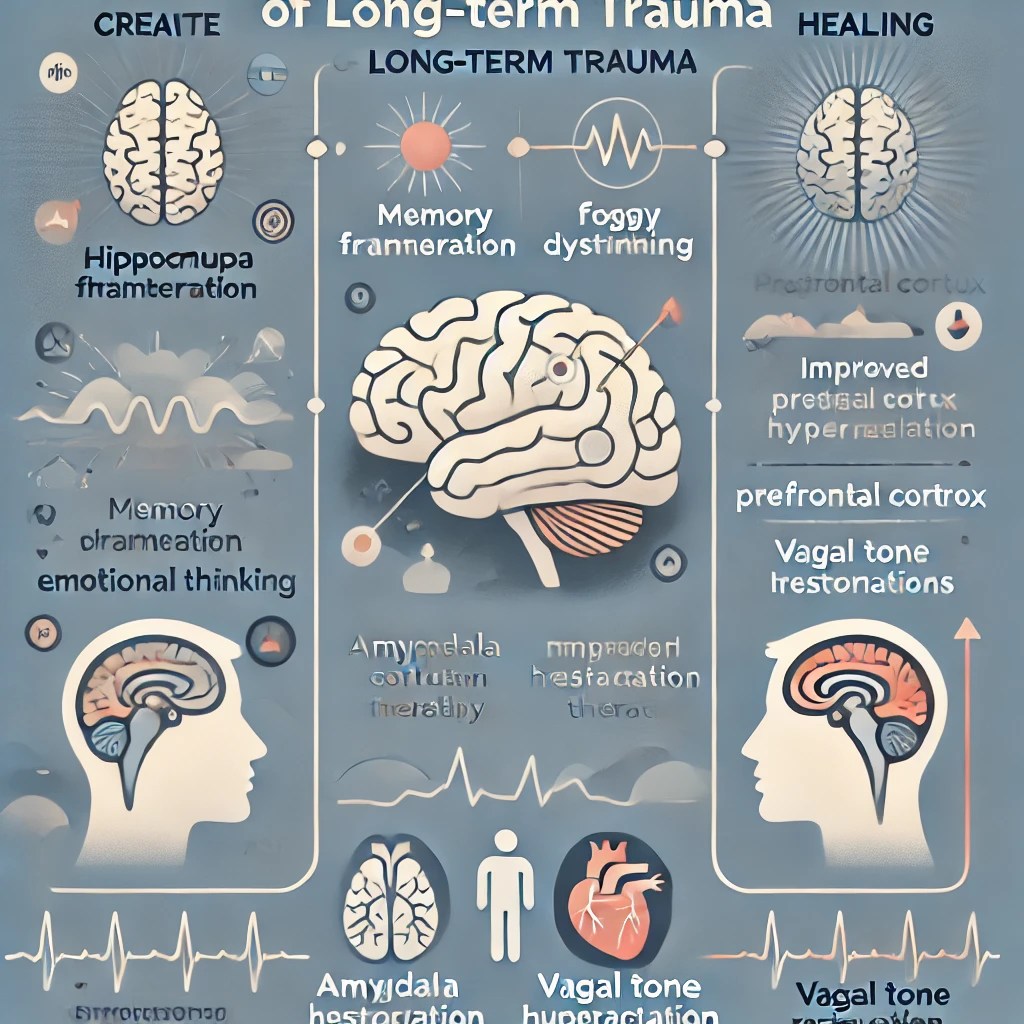
The amygdala stays activated, which:
- Limits access to memory and language
- Makes disclosure fragmented or apologetic
So the therapist hears:
- Partial truth
- Sanitised versions of events
- Apparent “communication issues”
Meanwhile, the abuser appears calm and reasonable.
4. Sessions increase danger at home
This is one of the most serious risks.
After sessions, abusers may:
- Punish the partner for what was said
- Accuse them of “embarrassing” them
- Retaliate for perceived exposure
Many survivors report:
- Escalation after therapy
- Violence framed as “what you did in therapy”
- Increased surveillance or control
Therapy becomes a trigger, not a solution.
5. It reinforces self-blame in the victim
Couples therapy often asks:
- “What’s your part?”
- “How do you contribute to the cycle?”
- “What could you do differently?”
For someone already conditioned to self-blame, this:
- Deepens shame
- Confuses responsibility
- Weakens internal trust
Neurologically, this strengthens the victim’s freeze/fawn response, not empowerment.
6. Abusers often perform change under observation
Many abusers can:
- Appear remorseful in sessions
- Be calm, articulate, insightful
- Promise change convincingly
This is situational compliance, not neurological change.
Once external accountability is gone:
- Old patterns resume
- Sometimes worse, due to resentment
When (and only when) therapy might be appropriate
Not couples therapy.
What is required instead:
- Individual, specialist intervention for the abuser (domestic abuse–informed programs)
- Separate, trauma-informed support for the survivor
- Clear acknowledgment that abuse is not mutual
Only after sustained, verified behavioural change (often years) do professionals even consider joint sessions — and many never do.
The bottom line
Couples therapy assumes:
Safety, equality, and goodwill.
Abuse destroys all three.
Putting an abuser and survivor into the same therapeutic space without addressing power first is not healing — it’s dangerous.
 Linda C J Turner | Trauma Therapist & Emotional Healing Specialist