Kindness is rarely born from comfort.
More often, it grows out of pain.
Neuroscience shows that those who have experienced rejection, loss, betrayal, or prolonged emotional stress develop heightened emotional awareness. They know, at a cellular level, what it feels like to be unseen, unheard, dismissed, or broken. And many make a conscious choice not to transmit that pain outward.
They understand how the brain stores hurt — how harsh words activate the same neural pathways as physical pain.
So they speak with care.
They know how abandonment and silence dysregulate the nervous system.
So they show up.
This kind of kindness isn’t naïve or people-pleasing.
It is intentional. Regulated. Chosen.
Psychology tells us that after trauma, people tend to move in one of two directions: toward bitterness and hyper-defence, or toward empathy and meaning-making. Those who choose compassion have done deep internal work. They have faced their pain, integrated it, and refused to let it define their behaviour.
From a Buddhist perspective, suffering becomes a teacher when met with awareness. When the mind observes pain without clinging or hatred, it transforms into compassion. This aligns closely with modern neuroscience: awareness changes neural pathways; reflection softens reactivity; understanding rewires response.
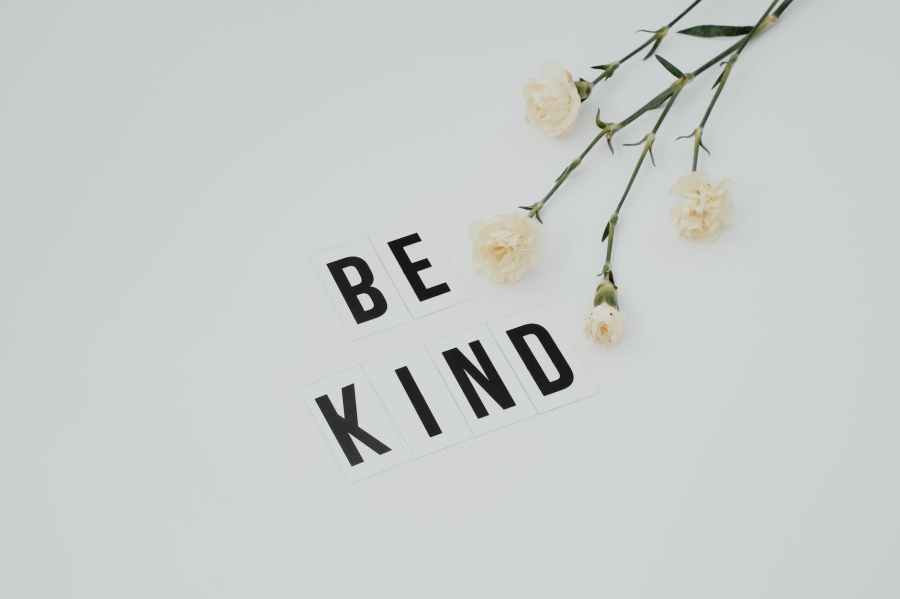
Kind people are not weak.
They are often survivors with strong boundaries, emotional intelligence, and self-regulation.
They broke the cycle.
So be gentle with them.
Protect them.
Learn from them.
Because the world doesn’t need more hardened nervous systems and closed hearts.
It needs more people who healed — and chose love anyway.
 Linda C J Turner | Trauma Therapist & Emotional Healing Specialist