If you’ve healed from emotional abuse, neglect, or trauma bonding, the danger isn’t not knowing better.
It’s slipping back into familiar dynamics when your nervous system is tired, lonely, or hopeful.
These principles act as psychological guardrails.
1. One check-in. Not chasing.
When distance appears, you ask once, calmly and clearly.
Healthy people respond to clarity.
Avoidant, deceptive, or emotionally unsafe people rely on pursuit.
From a psychology perspective:
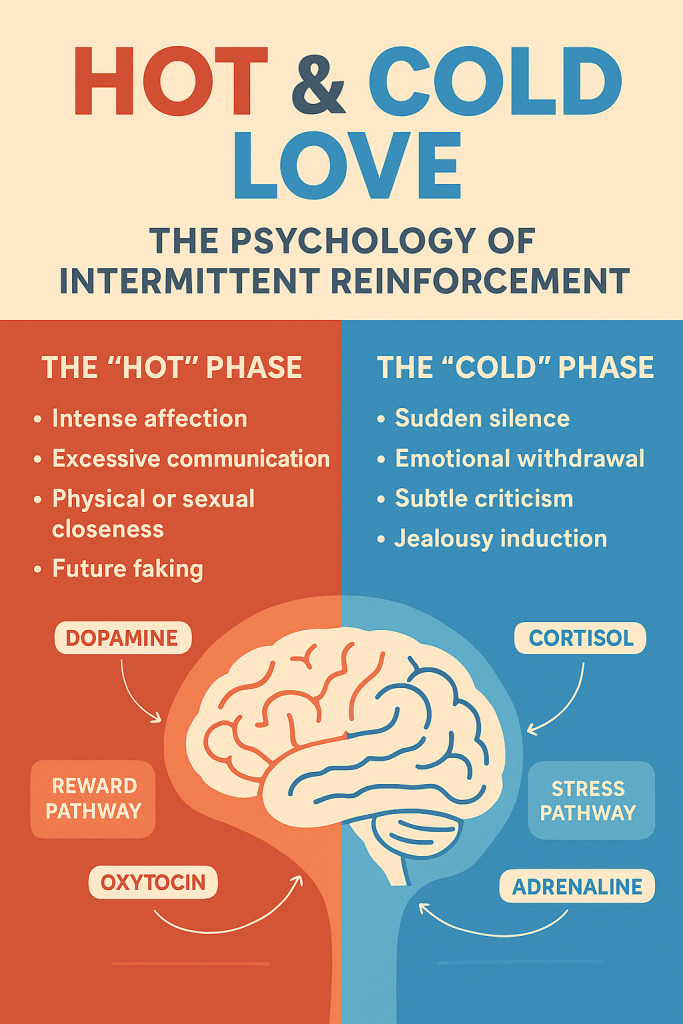
Chasing activates the intermittent reinforcement loop — the same mechanism that creates trauma bonds and addictions. Your brain starts working for connection instead of evaluating it.
One check-in preserves your self-respect and keeps you in the observing role, not the appeasing one.
2. No over-explaining your needs
If a reasonable need requires justification, persuasion, or repeated explanation — that’s not communication. That’s power imbalance.
In healthy dynamics, needs don’t have to be argued into existence.
In unsafe ones, you’re trained to doubt whether you’re “allowed” to need anything at all.
Psychologically, over-explaining is a fawn response — a trauma adaptation, not a personality trait.
3. Watch behaviour, not words
Trauma bonds are built on language:
“I’ve never felt this way before.”
“I’m just stressed.”
“You mean so much to me.”
Safety is built on behaviour:
Consistency. Repair. Follow-through. Presence under pressure.
Neuroscience shows that the nervous system trusts patterns, not promises. Words can soothe temporarily; behaviour regulates long-term.
If words and actions don’t align, believe the actions. Always.
4. Silence is information
Silence isn’t neutral.
It tells you about:
- emotional availability
- conflict tolerance
- respect for connection
- capacity for adult communication
What it does not mean is that you should fill the gap with self-blame, overthinking, or emotional labour.
From a psychological standpoint, your urge to explain silence away often comes from attachment injury, not intuition.
Let silence speak. Then decide.
The bottom line
These aren’t “rules to be cold.”
They are structures that protect a healed nervous system.
You don’t use them to control others.
You use them to stay out of dynamics where you would disappear.
Healing isn’t about trying harder.
It’s about needing less explanation to walk away.
 Linda C J Turner | Trauma Therapist & Emotional Healing Specialist