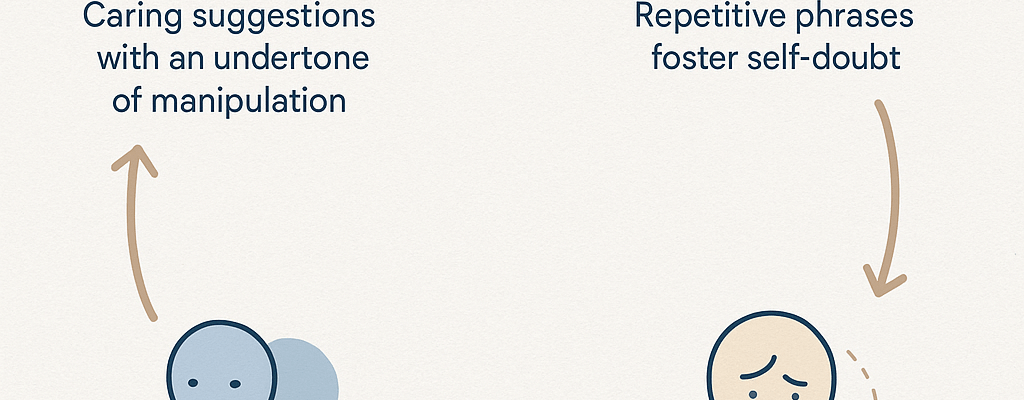
Abusers escalate during holidays, birthdays, or other special occasions for strategic psychological and neurobiological reasons:
- Exploiting heightened emotional states
- Special occasions naturally activate the brain’s limbic system — the emotional center — increasing stress, excitement, or anxiety.
- The amygdala becomes more sensitive, and emotional regulation may temporarily weaken, making victims more reactive and less able to resist manipulation.
- Isolation and loss of external social buffers
- Abusers often insist on private or “alone” celebrations.
- Without friends or family nearby, the prefrontal cortex (responsible for planning, risk evaluation, and impulse control) is less effective, leaving victims vulnerable to coercion and emotional manipulation.
- Manipulation of reward and attachment circuits
- Intermittent affection or praise stimulates dopamine pathways, creating a reward-feedback loop: the brain craves approval, even while anticipating punishment.
- Holidays provide ample opportunity to mix reward (gifts, attention, affection) with fear or stress, strengthening trauma bonds.
- Predictable patterns and expectancy pressure
- The brain naturally anticipates social norms, routines, and traditions.
- Abusers exploit this by creating chaos where stability is expected, triggering stress hormones (cortisol) and reducing cognitive clarity. Victims feel guilt or responsibility, which makes them more compliant.
- Exploitation of attachment and relational trauma
- Victims’ attachment systems (oxytocin-mediated bonding circuits) can be hijacked: abusers alternate attention and withdrawal, reinforcing dependency and fear of abandonment.
- During occasions meant for joy, this manipulation is particularly disorienting, because the brain expects positive experiences, making negative behaviors more impactful.
Bottom line:
Abusers escalate on special occasions because the combination of heightened emotions, social expectations, isolation, and attachment vulnerabilities creates a neurological “perfect storm” for control. Understanding this helps victims anticipate risk, plan safety, and protect themselves proactively.
 Linda C J Turner | Trauma Therapist & Emotional Healing Specialist