- Legal and professional reports (police, MARAC, VIOGEN, restraining orders, medical documentation) are created to record factual, verifiable information.
- They capture patterns of abuse, threats, stalking, or property damage, which are not subjective opinions.
- Unlike anecdotal family impressions or minimizing comments, reports reflect documented risk and are used to inform protective measures.
2. Why Reports Exist
- To protect victims: Authorities use them to assess danger and implement safety measures.
- To prevent escalation: Detailed records help police and courts identify when abuse is likely to worsen or become lethal.
- To establish accountability: They document the abuser’s behaviour, including repeated violations of restraining orders or threats, which can be legally enforced.
3. Neuroscience and Psychology Perspective
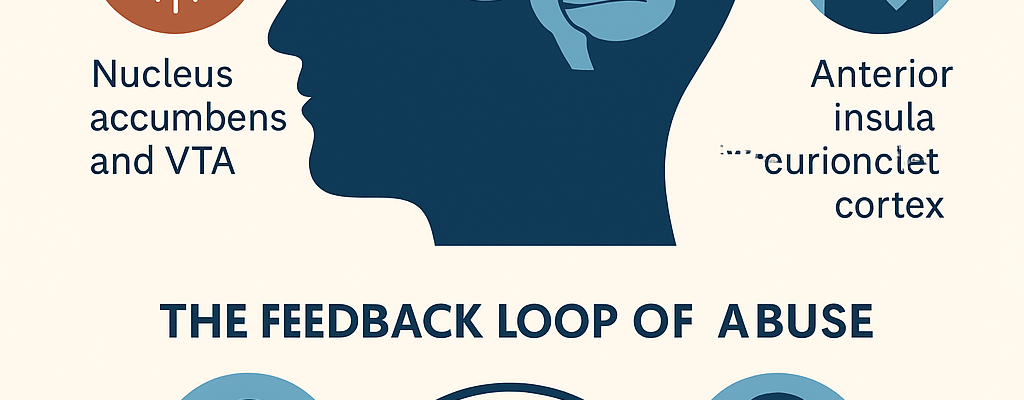
- Survivor brains: Chronic abuse and threats activate the amygdala and stress circuits, making survivors hyper-vigilant. Reports validate these perceptions, showing the danger is real and not imagined.
- Observer bias: Family or friends may experience cognitive dissonance and unconsciously minimize the risk to reduce their own anxiety. Reports bypass this bias—they are fact-based and independent of perception.
- Pattern recognition: Human brains often underestimate escalation risk. Structured reports like DASH, VIOGEN, or police logs highlight cumulative danger, which may not be obvious to casual observers.
4. Key Takeaway
- The reports don’t lie. They are structured, evidence-based, and legally recognized for a reason.
- Past incidents and documented patterns matter more than opinions, jokes, or disbelief.
- Survivors are entitled to trust the documented evidence when planning safety and taking protective action.
 Linda C J Turner | Trauma Therapist & Emotional Healing Specialist