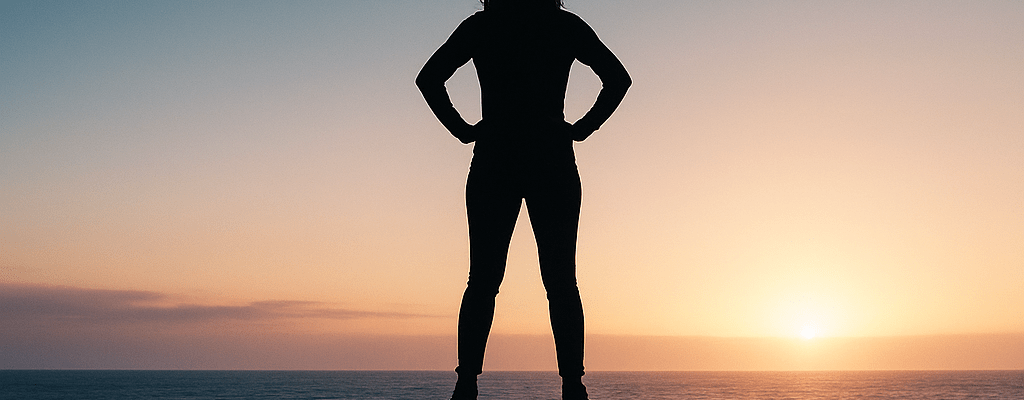
Some people aren’t running from the world — they’re simply walking toward themselves.
Neuroscience shows that solitude isn’t emptiness; it’s integration time. When we withdraw from constant noise and social feedback, the default mode network (DMN) in the brain becomes active. This network lights up during self-reflection, memory consolidation, and creative thinking. In other words — solitude lets the brain stitch experience into understanding.
Psychologically, solitude is the space where self-regulation strengthens. Without the constant pull of others’ moods and expectations, the nervous system recalibrates. Heart rate slows, cortisol levels drop, and the vagus nerve — key to emotional balance — hums quietly in the background.
People who choose to live alone often learn the subtle art of emotional homeostasis. They don’t depend on others to soothe or validate them; they know how to return to calm from within. This doesn’t mean they reject connection — it means they’ve found that peace is not something another person can give.
Loneliness says, “No one is here for me.”
Solitude whispers, “I am here for myself.”
It’s a shift from absence to presence — from searching for belonging outside, to discovering it in the stillness of your own mind.
Over time, this state of inner attunement can lead to what psychologists call self-transcendence — when one’s sense of self expands beyond personal concerns into connection with nature, art, or spirit.
Solitude isn’t isolation. It’s integration.
It’s where the mind finally hears its own voice — and the soul remembers who it is.
 Linda C J Turner | Trauma Therapist & Emotional Healing Specialist